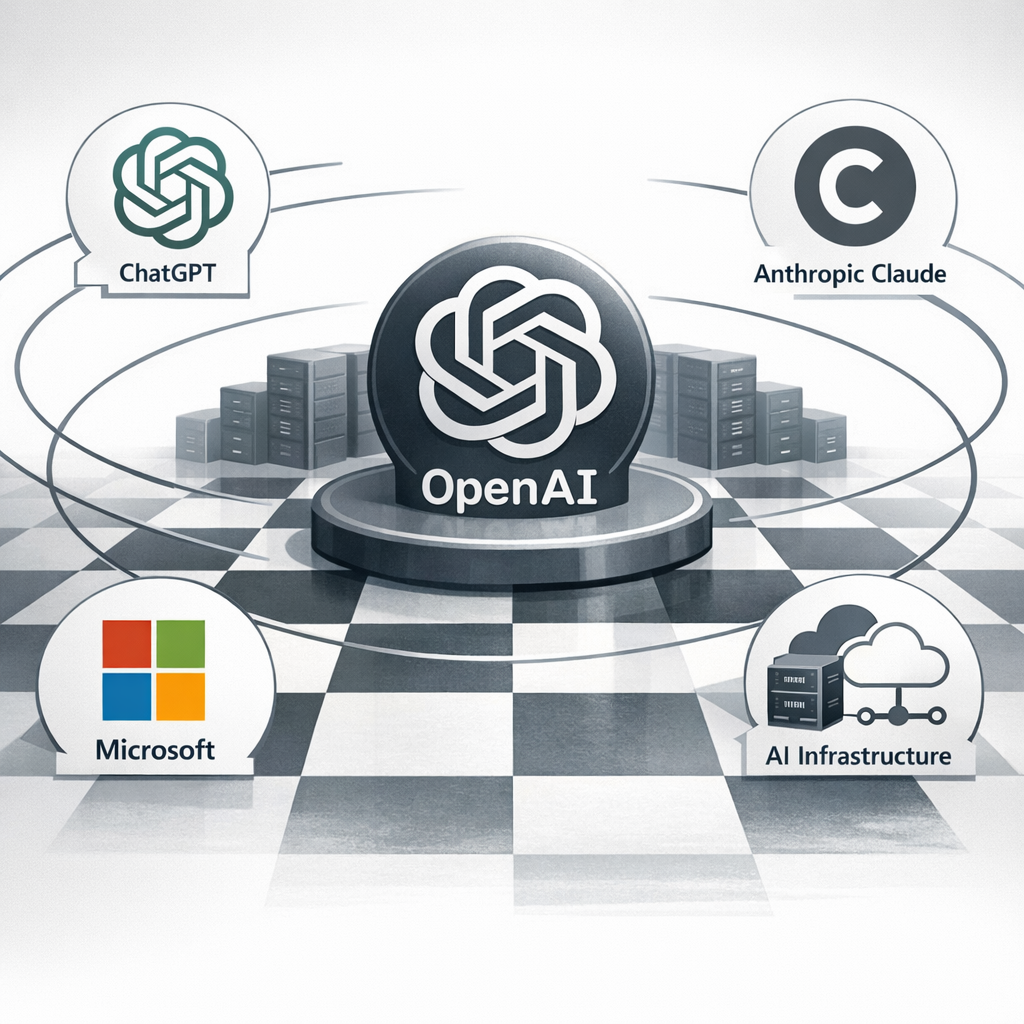
The AI Power Struggle: More Monopoly Than Innovation?
Artificial intelligence was once celebrated as a frontier of endless innovation and democratized progress. Today, it increasingly looks like a tightly controlled empire, ruled by a handful of players wielding disproportionate power. This concentration is not just a business trend; it’s reshaping how AI impacts society—and not always for the better.
Who Holds the Keys to AI?
Companies like NVIDIA dominate the AI hardware market, dictating who can build what and how fast. Meanwhile, CEOs like Sam Altman and Elon Musk shape narratives, funding, and strategic direction of AI development. This isn’t merely about technological innovation—it’s about gatekeeping who gets to participate and who sets the rules.
Innovation or Monopoly?
When a few corporations control the core infrastructure—chips, data, and models—innovation slows because entry barriers rise. Startups struggle to compete, and open source projects face suppression or neglect. This begs the uncomfortable question: Are we witnessing a genuine technological renaissance, or just a new form of monopoly dressed in cutting-edge silicon?
What About Ethics and Society?
Centralized power amplifies risks beyond market competition. Decisions about AI safety, transparency, and alignment become branding strategies rather than genuine commitments. With regulators often influenced or outpaced by these giants, accountability and democratic governance fall short. The result? AI’s societal impact is shaped behind closed doors, potentially undermining trust and democratic values.
Can Decentralization Save AI?
Open source AI has emerged as a critical counterbalance, promising transparency and wider access. Yet, it struggles against the tide of corporate control and hardware scarcity. If the AI ecosystem continues concentrating power, the dream of AI as a public good may fade into a dystopian reality.
Challenging the Status Quo
- Is it time for governments and civil society to impose stricter AI regulations that truly limit tech monopolies?
- Should we rethink how AI infrastructure is designed and distributed to encourage genuine competition?
- How do we ensure AI ethics go beyond branding to real accountability?
As AI races ahead, the question is not just who wins the technology battle, but who controls the future we all depend on. Ignoring the power concentration in AI risks ceding not just innovation, but our societal values and freedoms.

 Why OpenAI’s Biggest Challenge May Be Trust
 X Launches ‘About This Account’ Feature to Enhance User Transparency
 Google Reports Data Theft from 200 Companies Following Gainsight Security Breach Linked to Scattered Lapsus$ Hackers
 How AI CEOs Are Quietly Rewriting the Rules of Global Power and Society