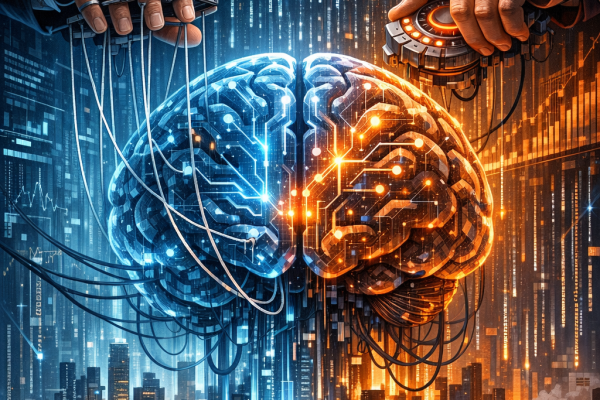
Why OpenAI’s Business Model Threatens Its Mission and Our Trust in AI
OpenAI started as a mission-driven AI lab but now grapples with a stark tension between profit and purpose. Can it maintain trust while chasing commercial dominance?

Your daily source for AI news, tools reviews, and practical guides to artificial intelligence
OpenAI started as a mission-driven AI lab but now grapples with a stark tension between profit and purpose. Can it maintain trust while chasing commercial dominance?

As artificial intelligence reshapes our world, the question isn’t just about innovation — it’s about who holds the reins. Sam Altman’s rise signals a profound shift in AI power dynamics, raising urgent debates on ethics, governance, and control.

The rapid concentration of AI power in the hands of a few corporations and CEOs is not just a business story — it’s a ticking time bomb for innovation, ethics, and democratic control. Are we witnessing the rise of a new techno-oligarchy?

Forget the flashy CEOs and headline-grabbing startups. Jensen Huang, CEO of Nvidia, wields a power in artificial intelligence that eclipses governments and shapes the entire AI industry. This isn’t just about chips—it’s about control over the future of technology itself.

NVIDIA’s dominance in AI hardware isn’t just a technological feat—it’s a geopolitical and economic disruptor. As the company tightens its grip on AI chips, what does this mean for innovation, competition, and who really controls the future of artificial intelligence?
As NVIDIA tightens its grip on AI hardware and technology, are we witnessing the rise of a monopoly that could stifle innovation and reshape global power dynamics? This article challenges the tech myth that dominance means progress, questioning who really benefits from concentrated AI power.

While much of the AI world fixates on innovation races, the real power game unfolds behind the scenes through hardware monopolies. Jensen Huang and NVIDIA aren’t just tech leaders—they’re gatekeepers of AI’s destiny.
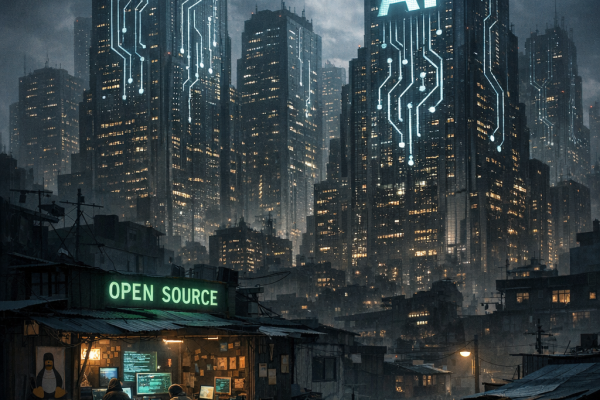
The rapid centralization of AI control in the hands of a few tech giants is not just a business issue—it’s reshaping innovation, ethics, and the future of democratic societies. Are we sleepwalking into an AI oligarchy with no accountability?

As AI technology reshapes our world, a silent power struggle unfolds where a handful of corporations like Nvidia and OpenAI dictate the future. But what happens when innovation is stifled, and democracy is sidelined by monopolistic control over artificial intelligence?

The AI industry is no longer a battlefield of pure innovation; it has become a struggle for control dominated by a few powerful players. What does this concentration of AI power mean for innovation, ethics, and the future of our societies?