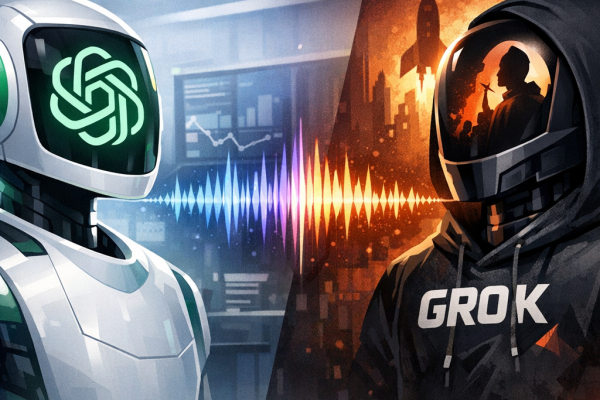
Grok’s latest voice upgrade puts OpenAI’s ChatGPT race in sharper relief
xAI’s Grok Voice Think Fast 2.0 update is less about one feature than the rivalry it exposes with OpenAI’s ChatGPT and Sam Altman’s broader platform strategy.

Your daily source for AI news, tools reviews, and practical guides to artificial intelligence
xAI’s Grok Voice Think Fast 2.0 update is less about one feature than the rivalry it exposes with OpenAI’s ChatGPT and Sam Altman’s broader platform strategy.

Google’s AI Overviews are no longer a side feature. They are becoming a core part of search, and that shift is reshaping the rivalry between Google, ChatGPT, and the broader AI answer economy.
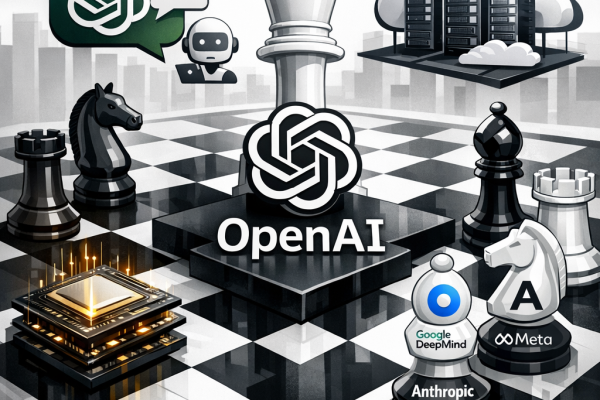
OpenAI’s problem is not that ChatGPT stopped mattering. It is that success has turned OpenAI into a platform company with platform-sized risks.
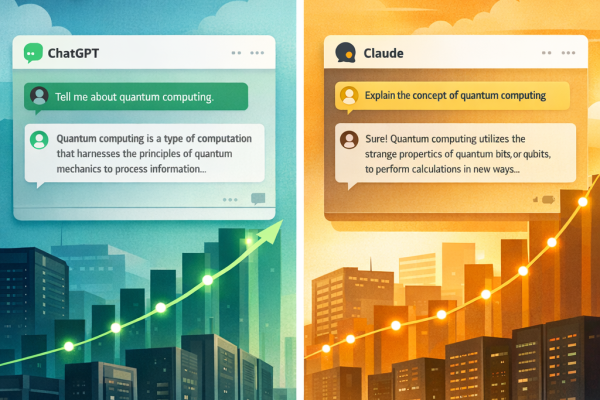
AI spending is getting expensive enough that investors are starting to question who can keep scaling profitably.
OpenAI and ChatGPT still set the pace, but Anthropic’s Claude strategy highlights a deeper fight over safety, developer trust and AI control.

Satya Nadella says companies that trust one AI for everything may not survive, a warning that puts Microsoft Copilot’s multi-model enterprise pitch in focus.
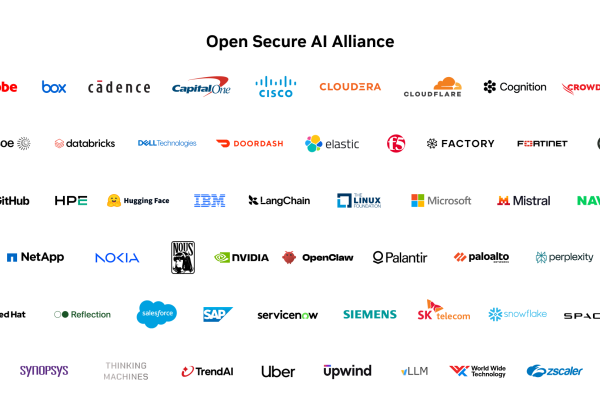
The Open Secure AI Alliance underscores a bigger fight around ChatGPT-era AI: whether the most important security tools should stay closed or become inspectable.

Anthropic’s expanded Cognizant partnership points to a bigger AI race: embedding Claude into business systems versus winning users through ChatGPT.

OpenAI’s ChatGPT and Sam Altman are under pressure from Anthropic’s Claude as the AI race shifts from raw hype to product trust, enterprise depth, and developer pull.
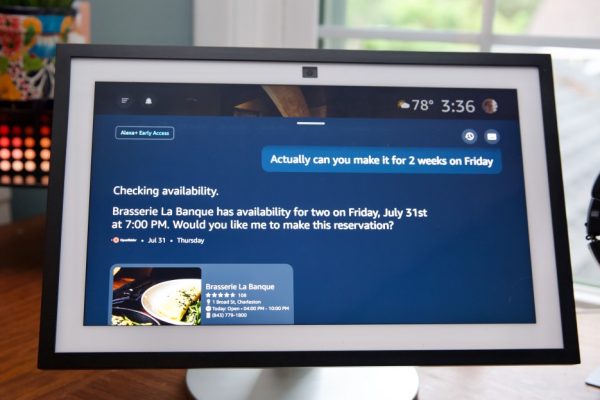
Amazon is updating Alexa Plus to handle more complicated smart-home instructions. The move shows how AI assistants are shifting from chat to orchestration.