
OpenAI trust challenge is at the center of this update. OpenAI’s breakthrough innovations, particularly ChatGPT, have revolutionized the artificial intelligence landscape, propelling it to the forefront of the AI race. Yet, as its influence has grown, so too have questions surrounding trust. The heart of OpenAI’s challenge no longer lies solely in technological advancement or competition with rivals like Anthropic and Google DeepMind. Instead, it rests on the fragile foundation of public and industry trust.
Initially founded as a non-profit with a mission centered on safe and broadly beneficial AI, OpenAI’s evolution into a hybrid commercial entity tied closely to Microsoft has exposed a tension between its foundational ideals and business realities. The opacity of its governance, limited transparency about model training and deployment decisions, and its increasingly commercial orientation raise doubts about its commitment to responsible AI stewardship.
This tension has sparked competitive responses. Anthropic positions itself as a safety-first lab, emphasizing transparency and alignment, while DeepMind continues a research-driven approach that prioritizes long-term safety. Meanwhile, Microsoft’s deep integration with OpenAI furthers a powerful synergy but risks concentrating AI power within a few corporate entities, potentially undermining trust.
Critics warn that if OpenAI cannot reconcile its mission with its business model, the trust deficit could lead to regulatory backlash, slower adoption, and diminished influence. However, proponents contend that OpenAI’s commercial partnerships are vital for funding the expensive compute infrastructure and talent necessary to maintain leadership in AI. They argue that trust can be rebuilt through clearer governance and incremental transparency.
The challenge facing OpenAI is emblematic of a broader industry crossroads: balancing rapid innovation with responsible and trustworthy stewardship. As AI systems become more embedded in society, companies that fail to foster trust may face existential risks—while those that succeed could redefine the future AI landscape.
OpenAI’s journey and handling of this trust challenge will set a precedent for the industry. Its ability to govern itself transparently and align its business ambitions with its safety mission will determine not just its own future, but the trajectory of AI development worldwide.
Related coverage: AI Chronicle analysis and updates.
Sources consulted
Why it matters
This update influences the AI race across model providers, infrastructure leaders, and enterprise adoption decisions.

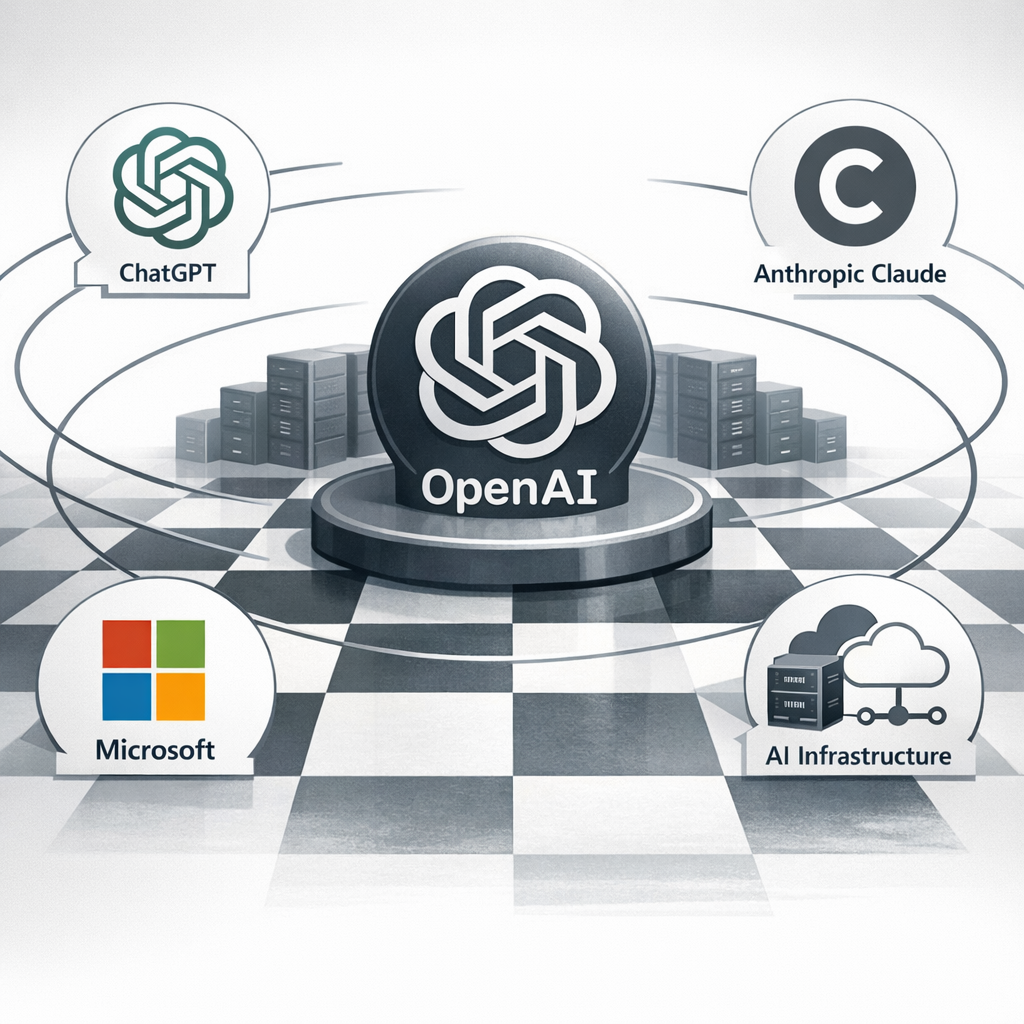 Is OpenAI Becoming Bigger Than ChatGPT?
 Sam Altman and the Paradox of Power: Why Trust Is OpenAI’s Hardest Challenge
 The Inevitable Rise of AI Agents: Are CEOs Ready for the Automation Takeover?
 The Automation Tsunami: Why The Era of Traditional Programmers Is Coming to an End


