Poolside Laguna is at the center of this update. Poolside’s Laguna S 2.1 is a useful reminder that the AI race is not only about who can build the biggest model. It is also about who can build the most useful one for a specific job. In coding, that distinction matters. A model that keeps checking its work, revising failed attempts, and staying alive through long agentic sessions can be more valuable than a larger system that looks better on paper.
According to the source, Poolside says Laguna S 2.1 is its third coding model in three months, and that the compact open-weight system beats several much larger rivals on benchmarks. Poolside also claims it solved a math problem open since 1975 for under 10 cents. Those are bold claims, but they are still claims. The more interesting editorial question is what they reveal about where competition is moving.
Poolside is betting that persistence beats brute force
The company’s pitch is not just that Laguna S 2.1 is smaller. It is that it is trained for behavior that matters in real coding work: self-checking, recovery after failure, and endurance in agentic workflows. That is a different product philosophy from the old “bigger model, better model” assumption.
For developers, this matters because coding assistants are judged less like chatbots and more like collaborators. A model that can keep going, catch its own mistakes, and avoid collapsing under a long task can save time even if it is not the largest model in the market.
What this says about OpenAI, ChatGPT, and Sam Altman’s pressure point
OpenAI’s ChatGPT remains the benchmark brand in consumer AI, and Sam Altman’s company still sets much of the industry narrative. But releases like this show why that position is under constant pressure. The market is no longer asking only whether ChatGPT can answer a question. It is asking whether the assistant can reliably act, code, and persist across a workflow.
That changes the rivalry. OpenAI’s advantage has been product reach, brand, and a tightly managed platform. But challengers are increasingly trying to win on specialization, control, and deployment flexibility. Poolside’s open-weight approach fits that trend, even if it is not a direct OpenAI competitor in scale or distribution.
Claude, ChatGPT, and the new coding benchmark war
Anthropic’s Claude has helped normalize the idea that a model can compete seriously in coding and enterprise use without being the biggest system in the room. Poolside’s release pushes that logic further. If smaller models can deliver strong coding performance, then the competitive field broadens beyond headline model size.
That is a strategic problem for closed platforms. It suggests that model quality is becoming more fragmented by use case. One model may be best for broad consumer chat, another for coding, another for enterprise workflows, and another for open deployment. In that world, the winner is not just the biggest model maker. It is the company that best matches model behavior to the task.
The real test is whether benchmark wins survive contact with developers
The source points to benchmark strength and a striking cost claim, but it does not give independent validation. That leaves the most important question open: does Laguna S 2.1 hold up in real developer workflows, where messy codebases, long context, and repeated tool use matter more than isolated scores?
If the answer is yes, the implications go beyond Poolside. It would strengthen the case for smaller, open-weight systems across the market and put more pressure on OpenAI, Anthropic, and other closed-model vendors to prove that scale still delivers distinct value. If the answer is no, the release will still have done something important: it will have shown how quickly the AI race is moving toward specialization over spectacle.
Editorial analysis only. Not investment advice.
Sources consulted
The Decoder article cited in the brief; Poolside source excerpt provided with the brief.
Related coverage: AI Chronicle analysis and updates.
Sources and further reading
- http://Poolside%20source%20excerpt%20provided%20in%20the%20brief
- https://openai.com/news/
- https://www.anthropic.com/news

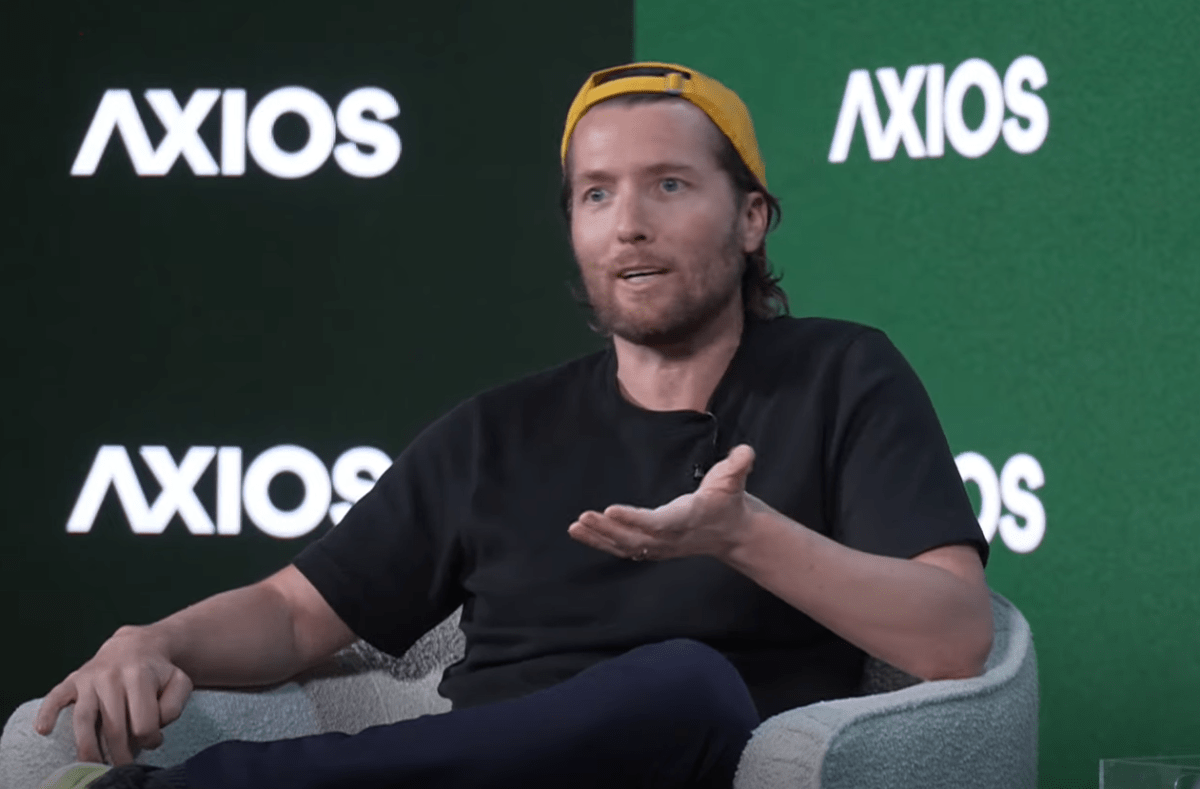 Hugging Face CEO Highlights ‘LLM Bubble’ Amid Broader AI Landscape
 Perplexity Secures $750 Million Microsoft Deal Amid Amazon Legal Dispute
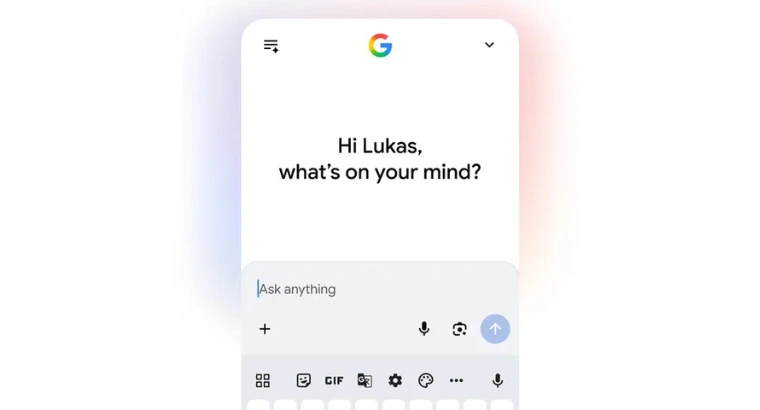 Google Expands AI Mode with Personal Intelligence Integration in Gmail and Photos
 OpenAI Launches Group Chats in ChatGPT to Enhance AI Collaboration for Teams