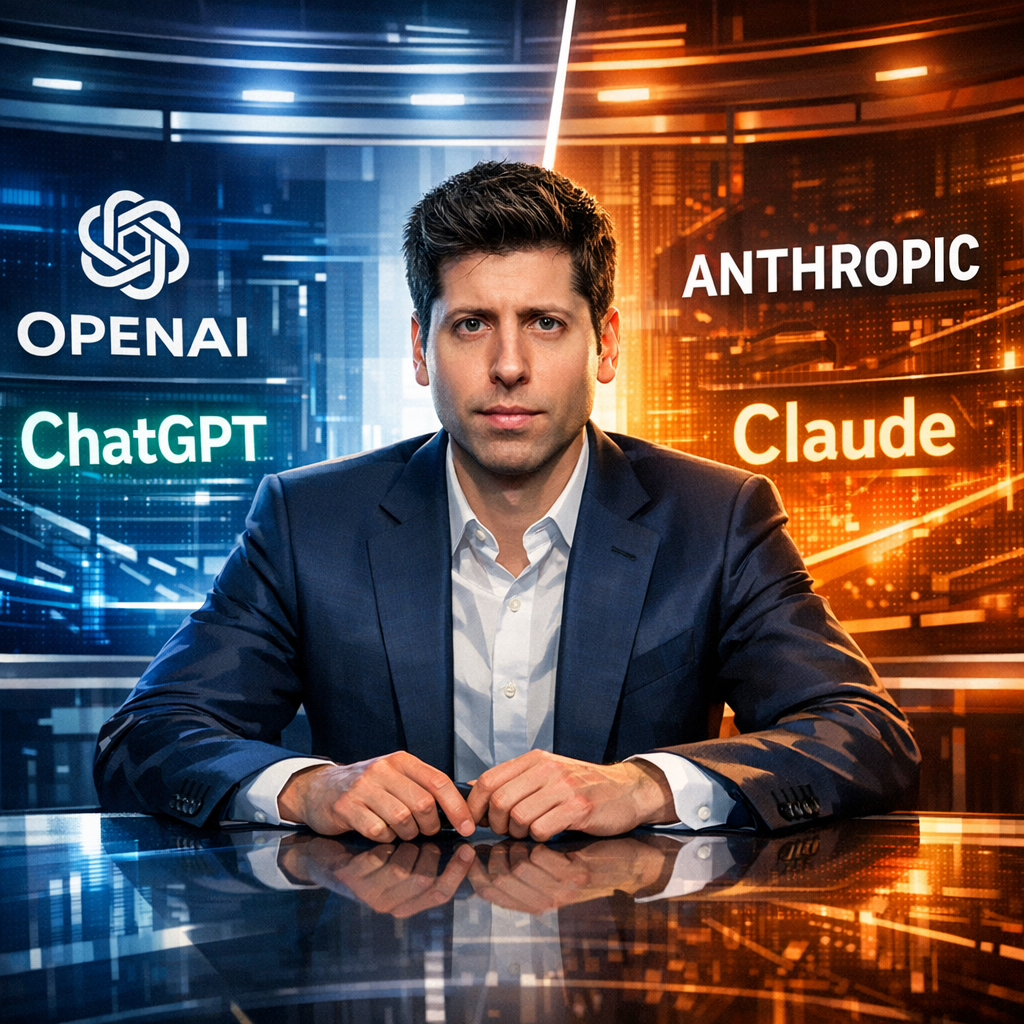
Sam Altman OpenAI power trust analysis is at the center of this update. Sam Altman’s rise at OpenAI is more than a story of a tech CEO’s success; it encapsulates the paradox at the heart of today’s artificial intelligence revolution. OpenAI began with a mission to develop AI safely and openly, intending to democratize access to powerful technologies. Yet under Altman’s leadership, the company has become a dominant commercial force, deeply intertwined with Microsoft’s cloud infrastructure and capital, raising critical questions about the concentration of AI power.
This tension matters because AI technologies like ChatGPT are no longer niche research projects; they are transforming entire industries and reshaping public discourse. The control over AI models, data, and compute resources increasingly determines who sets the rules, who benefits, and who bears the risks. OpenAI’s evolution highlights how the race for artificial general intelligence (AGI) is as much about governance and trust as it is about technical breakthroughs.
OpenAI’s switch to a capped-profit model was a pragmatic move to secure funding and talent, enabling the company to compete with tech giants like Google DeepMind and Anthropic. Microsoft’s billion-dollar partnership is a testament to that strategy’s success, integrating OpenAI’s models into enterprise software and cloud platforms. However, this commercial pivot complicates OpenAI’s original vision, as profit motives and market dominance can conflict with ideals of transparency and safety.
Critically, some industry observers suggest that without this concentration of resources and leadership, the AI field could fragment dangerously, slowing progress and increasing safety risks. Altman’s public commitments to AI safety and collaboration lend credibility to OpenAI’s dual mission.
Yet the broader AI race—powered by infrastructure giants like Nvidia and cloud providers—reflects that the future of AI is inseparable from who controls the underlying platforms. OpenAI represents a case study in how leadership and strategic partnerships shape that landscape but also how they invite scrutiny over trust and accountability.
Ultimately, Sam Altman’s OpenAI story is a microcosm of the AI age’s central challenge: balancing rapid innovation with responsible governance. The stakes are enormous, and how this balance is struck will define the societal impact of AI for decades to come.
Related coverage: AI Chronicle analysis and updates.
Sources consulted
Why it matters
This update influences the AI race across model providers, infrastructure leaders, and enterprise adoption decisions.

 Why NVIDIA’s AI Monopoly Threatens Innovation and Democratic Control
 OpenAI Is No Longer Just ChatGPT — and That Is the Problem
 OpenAI Is Not Just Winning the AI Race — It Is Redefining What Winning Means