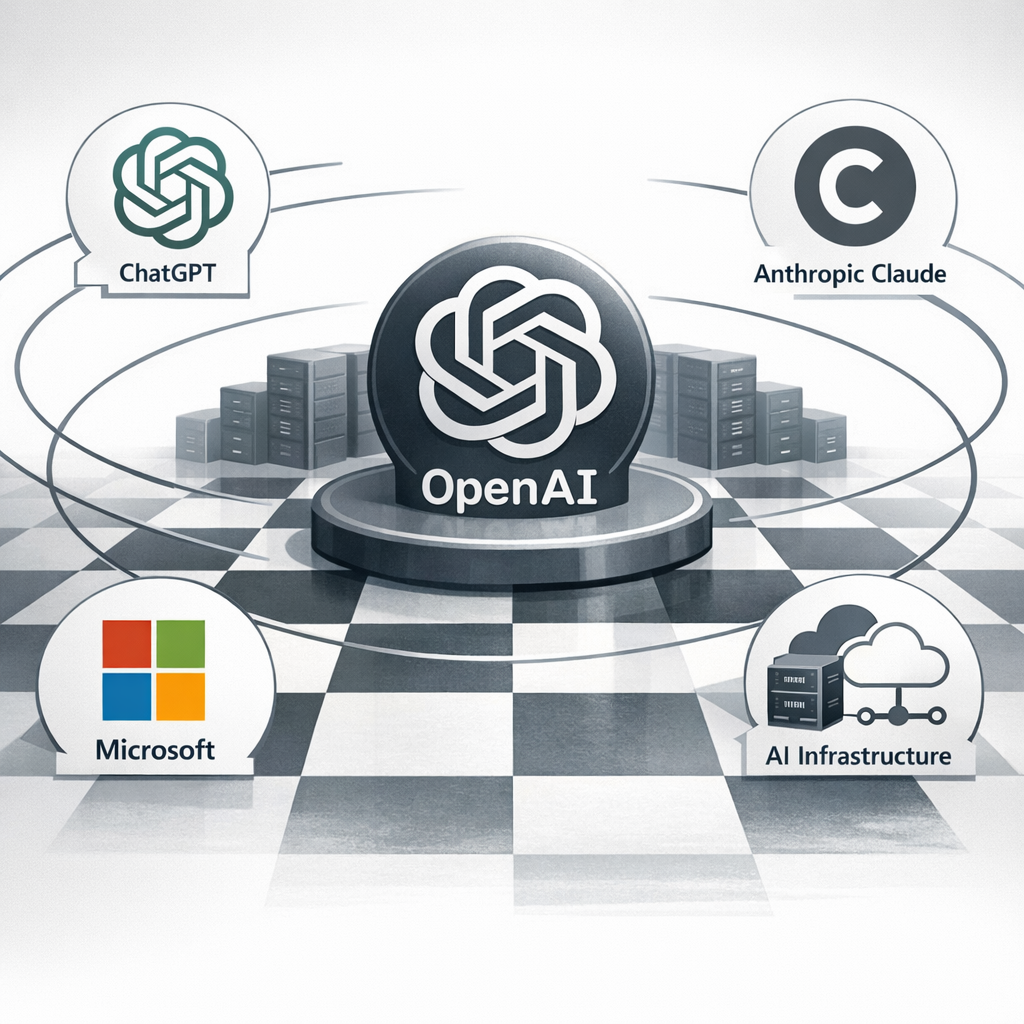
The Illusion of AI Progress Amidst Growing Power Concentration
Artificial intelligence is no longer just a technological breakthrough; it’s a geopolitical and economic battleground dominated by a handful of CEOs, corporations, and chip manufacturers. While we celebrate AI’s rapid advances, we ignore a troubling question: who truly controls the future of AI? The answer is disturbing. Power in AI is concentrating faster than wealth ever did, and this concentration is quietly rewriting the rules of innovation, competition, and even democracy.
How Companies Like NVIDIA and OpenAI Shape AI’s Future
The dominance of NVIDIA in AI hardware illustrates a dangerous monopoly where the supply of AI chips translates directly into control over who can innovate and who is left behind. Meanwhile, OpenAI, once a beacon of openness, now spearheads a closed ecosystem where proprietary models determine public access and usage. This tight grip threatens to suffocate smaller startups and independent researchers, effectively throttling diverse innovation paths.
When Closed Models Replace Open Source as Innovation Engines
Open source AI was supposed to be the safety valve, ensuring transparency and democratizing access. Instead, closed AI models, backed by colossal investments and corporate interests, are becoming the norm. This shift is not merely a business choice—it’s a strategic chokehold that undermines community-driven progress and raises ethical concerns around surveillance, misinformation, and bias.
Are We Letting AI CEOs Rewrite Society Without Accountability?
Leaders like Sam Altman and Jensen Huang have amassed unprecedented influence, effectively becoming new power brokers in a world where AI shapes everything from job markets to political discourse. But AI CEOs are not elected, and the regulatory frameworks meant to govern them are either inadequate or influenced by the very companies they should control. This creates a dangerous feedback loop, where corporate interests override public good.
The Myth of Benevolent Tech Giants
Big Tech often brands AI safety as a priority, yet profit and control remain paramount. If safety becomes just a branding strategy, how do we ensure meaningful accountability? History teaches us that technological revolutions without checks and balances magnify inequality and unrest.
The AI Talent Wars and Startup Collapse: Symptoms of a Concentrated Market
The fierce competition for AI talent benefits the dominant players who hoard expertise, leaving startups struggling to survive. The collapse of promising AI startups is no coincidence but a direct consequence of market monopolization. With fewer voices and ideas in the mix, the risk of innovation stagnation and groupthink grows, threatening the entire AI ecosystem’s vitality.
Why Governments Are Losing the Race to Regulate AI
Government attempts at AI regulation often lag behind industry advances, and worse, regulatory processes are frequently co-opted by those they should restrain. When companies write the rules that govern themselves, who protects the public from abuse and unintended consequences?
Conclusion: Questioning the AI Power Dynamic Before It’s Too Late
The rapid concentration of AI power is not just a market problem—it’s a societal threat. Innovation, ethics, democracy, and human rights hang in the balance as a few players dictate the future of AI. It’s time to challenge the narrative that AI progress is inevitable and instead demand transparent, accountable, and diversified leadership in the AI industry. Otherwise, we risk handing over the keys to society’s future to unelected billionaires and monopolies without safeguards.

Related Articles
 The Real Challenge Behind OpenAI’s Rise: Trust in an Era of AI Power Concentration
 Why NVIDIA’s AI Monopoly Threatens Innovation and Global AI Leadership
 OpenAI Reports Renewed Growth for ChatGPT and Announces Upcoming Model Release
 Gartner Data & Analytics Summit 2026 Highlights Expanded AI Agenda to Transform Business Decisions