Sam Altman and the Paradox of Power: Why Trust Is OpenAI’s Hardest Challenge
OpenAI trust challenge 8622 is at the center of this update. Sam Altman’s trajectory from startup prodigy to one of AI’s central figures highlights a fundamental paradox shaping the AI race. OpenAI under Altman wields immense technological power and influence, amplified by a strategic partnership with Microsoft that provides scale and infrastructure few can match. Yet, this very power exposes tensions between ambition, business realities, and the mission-driven ethos that initially defined the lab.
The launch of ChatGPT was a defining moment, catapulting OpenAI into the public eye and establishing new standards for AI capabilities and adoption. But as OpenAI expanded, questions about transparency, governance, and commitment to ethical AI became more pointed. Skepticism about OpenAI’s openness—once a core promise—has grown alongside concerns about its safety protocols and commercial incentives.
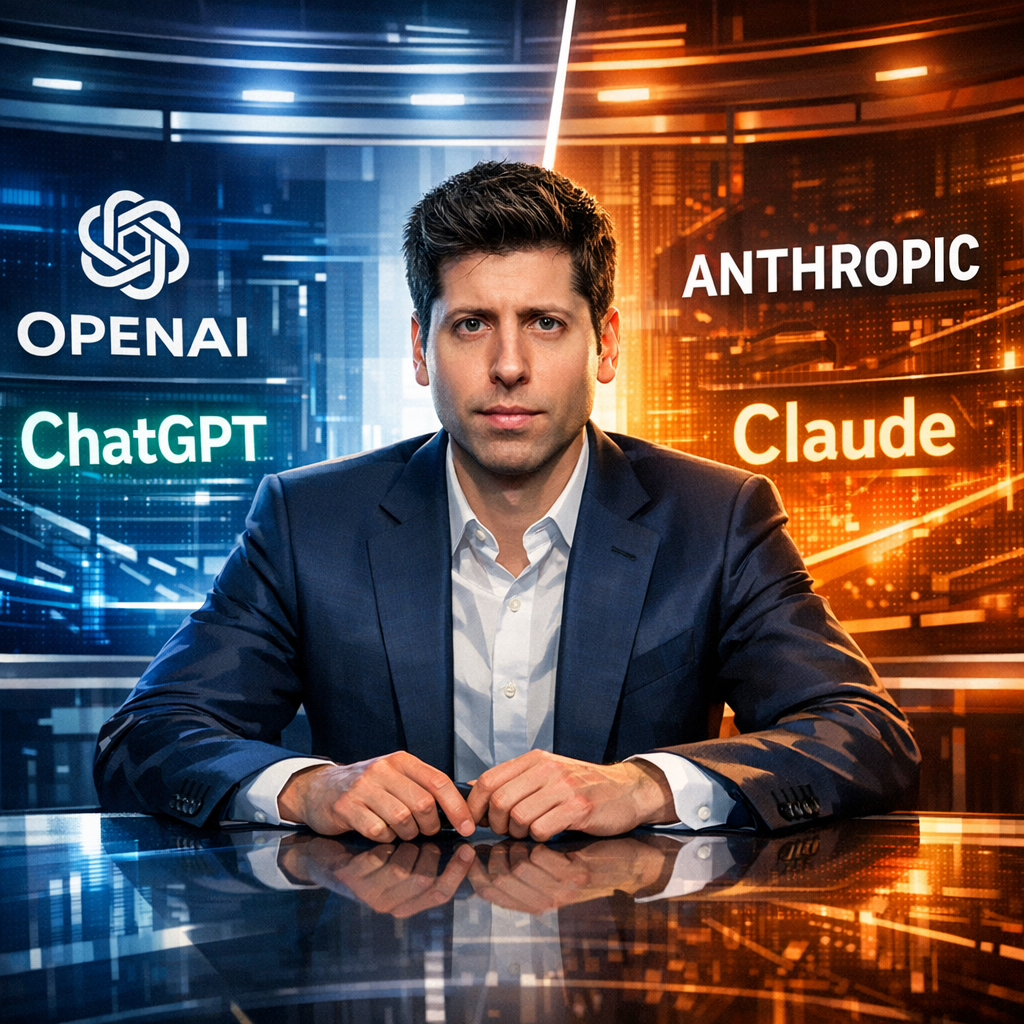
Competitors like Anthropic offer a contrasting model focused on safety-first principles, branding trust as a strategic asset rather than a mere ethical checkbox. Meanwhile, Google DeepMind’s patient, research-centric approach represents a long-term bet on trust built through scientific rigor. These contrasting models illuminate a critical insight: in the AI ecosystem, trust and influence are inseparable.
Critics who call for greater transparency and accountability highlight that managing AI’s societal impact requires more than innovation—it demands public legitimacy. Yet, defenders of OpenAI’s approach argue that balancing innovation speed with safety and competitive confidentiality is complex, and that practical outcomes in usability and impact matter most.
The stakes of this trust paradox go beyond a single company. OpenAI’s trajectory influences regulation, user adoption, and the broader distribution of AI power. Infrastructure giants like Nvidia and Microsoft are embedded within this dynamic, underscoring how hardware, software, and governance are intertwined facets of AI’s future.
Ultimately, Sam Altman and OpenAI’s challenge is not merely technological but profoundly ethical and strategic. Their response will shape industry norms, competitive strategies, and public trust in AI technology for years to come.
Related coverage: AI Chronicle analysis and updates.
Sources consulted
Why it matters
This update influences the AI race across model providers, infrastructure leaders, and enterprise adoption decisions.

 The Illusion of Transparency: Why AI Regulation Is Mere Political Theater
 Sam Altman’s OpenAI: Navigating Power, Trust, and the Future of AI