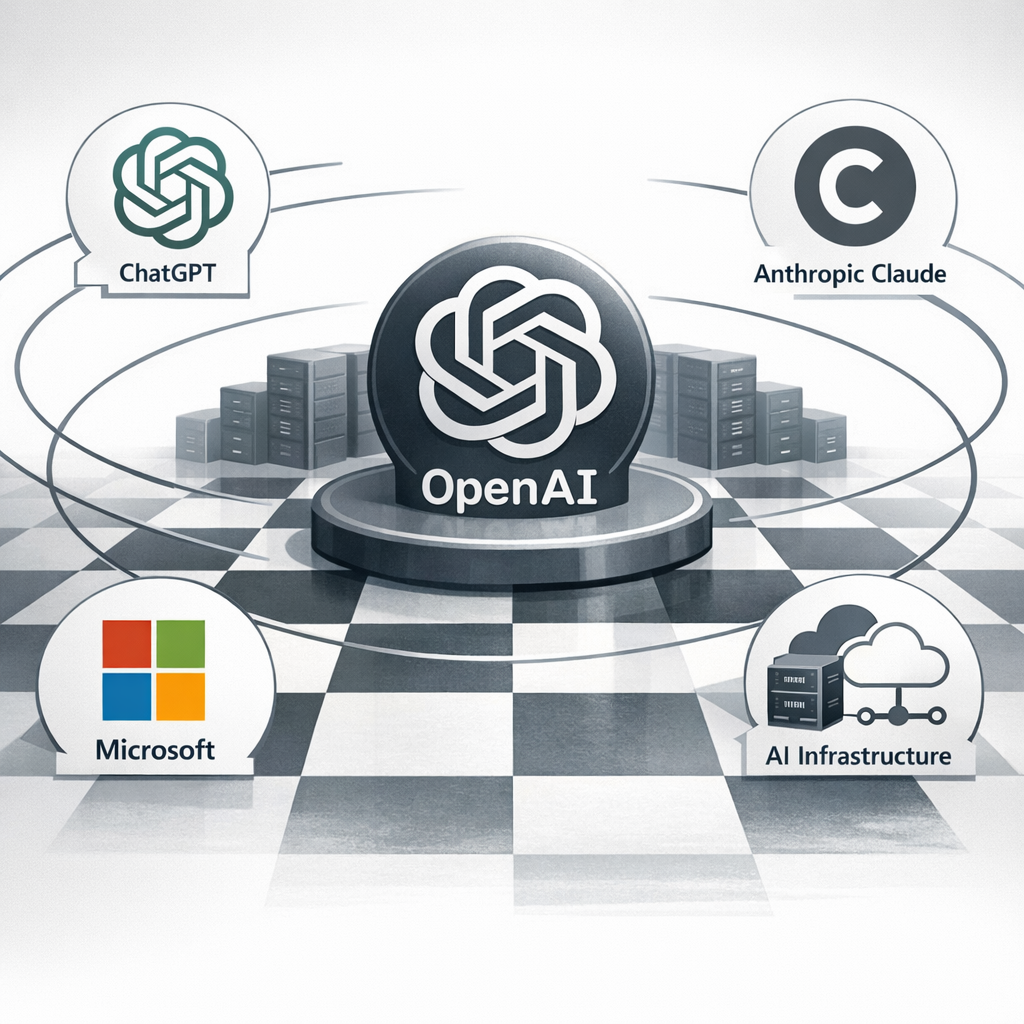
OpenAI’s Rise: A Double-Edged Sword for Trust
Why OpenAI Trust Crisis Real is at the center of this update. OpenAI began as a beacon of hope for transparent, safe, and responsible AI development. Yet, as it evolved from a research lab into a powerhouse with vast business ambitions, it sparked a growing tension between its founding mission and its corporate model. Why is trust becoming OpenAI’s biggest challenge, and what does this mean for the AI industry as a whole?
The Illusion of Altruism in AI Development
OpenAI’s early narrative promised an AI future that prioritized humanity’s welfare over profits. But as the company inked multi-billion-dollar partnerships—most notably with Microsoft—its independence came under scrutiny. Can a company so entwined with private capital still champion an open, ethical AI landscape? Or is the promise of altruism now just a marketing veneer?
Trust Versus Business Model: A Ticking Time Bomb
OpenAI’s hybrid structure—a capped-profit model combined with ambitious revenue goals—strains credibility. The public and enterprise customers alike question whether OpenAI can balance rapid innovation with ethical safeguards and transparency. This dilemma isn’t unique; it’s emblematic of the broader AI industry grappling with commercialization pressures versus safety and openness.
Why Transparency Alone Is Not Enough
Calls for more transparency in AI development are valid but insufficient. OpenAI and its peers must move beyond mere disclosure to demonstrate accountability through actions. This means clear governance mechanisms, robust safety protocols, and meaningful public engagement. Without these, transparency risks becoming performative—a checkbox rather than a commitment.
Trust Deficit Impacts the Entire AI Ecosystem
The trust issues surrounding OpenAI ripple through the entire AI ecosystem. Startups, regulators, and end users all face the consequences of opaque decision-making and concentration of power. If the AI frontrunners cannot earn public trust, how can society embrace the transformative potential of AI without fear or resistance?
Can OpenAI Rebuild Trust or Will It Fuel Industry-Wide Skepticism?
The question isn’t just about one company. It’s about an industry racing toward AGI and unprecedented influence over society. If OpenAI stumbles on trust, it sets a precedent that could entrench skepticism toward AI innovation altogether. Conversely, if it rises to the challenge, it could model how powerful AI firms balance ambition with responsibility.
What This Means for the Future of Artificial Intelligence
- Trust must become a strategic priority: AI companies can no longer treat trust as an afterthought or PR stunt.
- Governance needs to catch up: Transparent, enforceable frameworks are essential to align AI capabilities with societal values.
- The public’s voice matters: Inclusive dialogue on AI’s direction and risks is needed to prevent monopolistic narratives.
- Ethics can’t be sidelined: Profit and power should never eclipse safety and accountability.
Ultimately, OpenAI’s trust crisis is a symptom of a larger reckoning facing the AI industry. The race for innovation may be headline news, but the real battle is for legitimacy, accountability, and public confidence. Ignoring this will not only jeopardize individual companies but the future of AI itself.
Related coverage: AI Chronicle analysis and updates.
Sources consulted
- https://openai.com/news/
- https://blogs.microsoft.com/
- https://www.reuters.com/technology/artificial-intelligence/
Why it matters
This update influences the AI race across model providers, infrastructure leaders, and enterprise adoption decisions.

Related Articles
 U.S. Authorizes Export of Advanced AI Chips to Abu Dhabi’s G42, Strengthening UAE’s AI Ambitions
 How NVIDIA and Jensen Huang Are Quietly Shaping the Future and Control of Artificial Intelligence
 Why AI Power Concentration Threatens Innovation and Democracy (2025)
 The AI Automation Revolution: Are Human Jobs Becoming Obsolete Faster Than We Admit?