Why AI Power Concentration Is the Real Crisis of Our Time
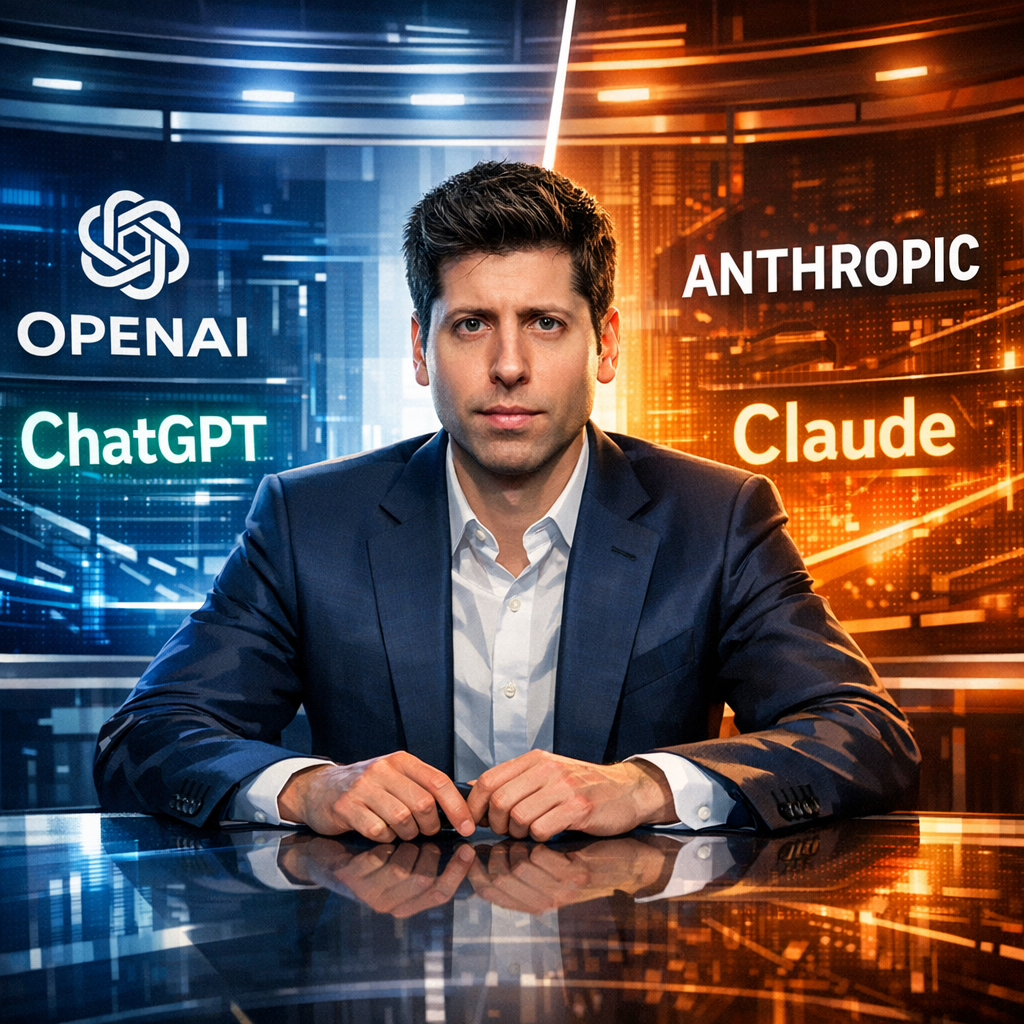
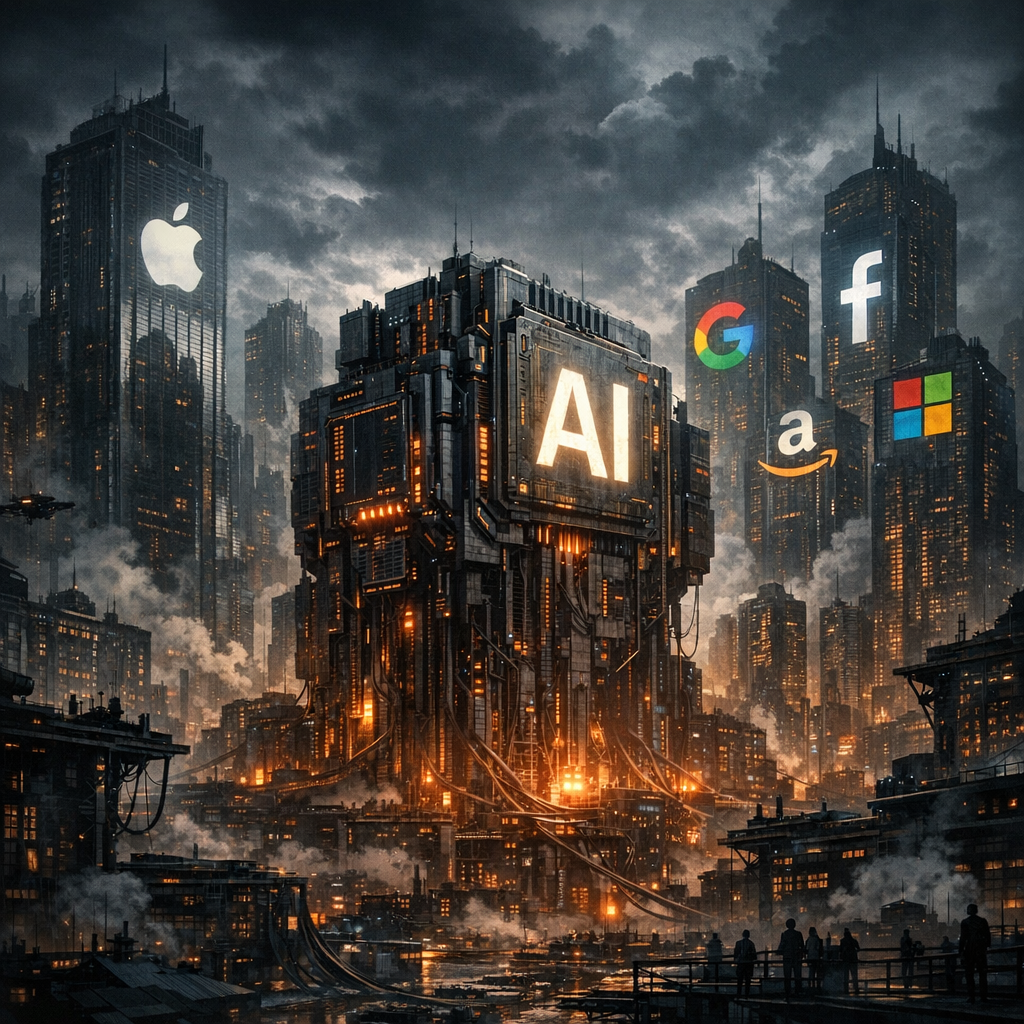
Artificial intelligence promised to democratize innovation, unleash creativity, and solve humanity’s greatest challenges. Instead, we’re witnessing an unprecedented concentration of AI power in the hands of a few CEOs, corporations, and oligarchs. This isn’t just a business story; it’s a societal and political crisis that threatens the very fabric of democracy and future innovation.
The Illusion of Innovation in a Monopolized AI Industry
Companies like NVIDIA, OpenAI, and Google dominate not only AI research but also the critical hardware and software infrastructure. Jensen Huang’s NVIDIA, in particular, holds near-monopoly status in AI chips, dictating the pace and direction of AI advancements. This chokehold restricts smaller players and startups from competing, effectively slowing down true innovation under the guise of rapid progress.
Big Tech’s Grip on AI Governance and Ethics
AI regulation is often drafted and influenced by the very corporations whose interests are at stake, creating a conflict of interest that undermines public trust. The narrative of “AI safety” has morphed into a branding tool rather than genuine ethical commitment. Are these corporations genuinely prioritizing humanity’s welfare, or merely protecting their market dominance and profits?
Sam Altman, Elon Musk, and the Cult of AI Founders
The cult of AI founders—Sam Altman writing the unwritten rules while others follow, Elon Musk’s high-stakes personal vendettas disguised as ethical concerns—diverts attention from systemic issues. These personalities concentrate immense power, influencing AI policy and public discourse, raising uncomfortable questions about accountability and transparency.
Open Source AI: The Last Line of Defense?
As closed AI models dominate, open source AI emerges as a critical counterbalance. It challenges corporate monopolies and fosters community-driven innovation. Yet, it is continuously undermined by powerful interests fearful of losing control, raising the question: can open source AI survive the corporate squeeze?
The Future of AI: Innovation or Control?
We must confront a harsh truth: the AI race is no longer primarily about innovation but control. When AI power rapidly concentrates, it risks creating a future where technological progress serves only the few, deepening inequality and eroding democratic institutions. The real question is, who will hold the reins—and what will they do with such power?
Conclusion: Challenging the Status Quo
As a society, we need to question the accepted narrative glorifying AI mega-corporations and charismatic leaders. We must demand transparency, fair governance, and open innovation. Otherwise, AI risks becoming less of a transformative tool for humanity and more of a mechanism for consolidating power and control—an outcome far more dangerous than any technological limitation.

 Google and OpenAI Raise Concerns Over AI Model Cloning via Distillation Attacks
 Perplexity Faces Allegations of Ignoring Website Blocks to Scrape Data
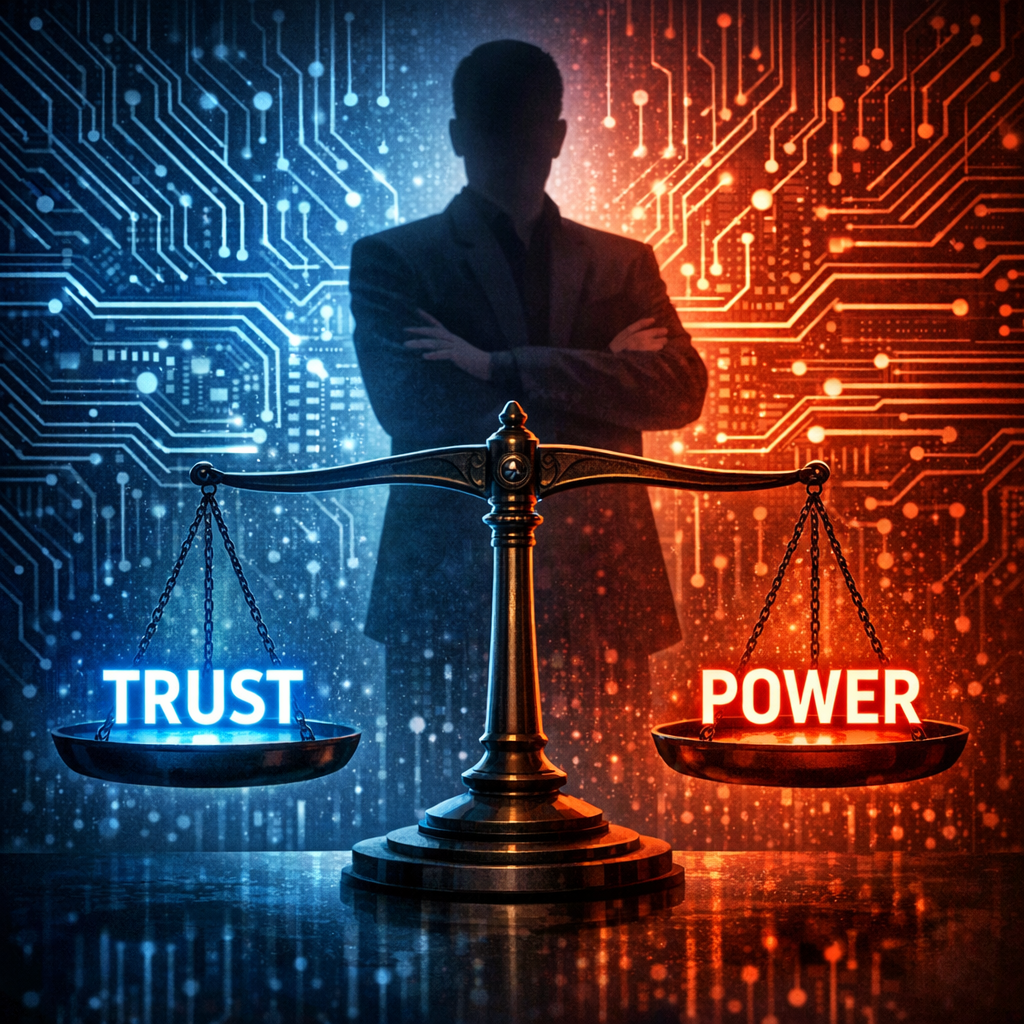 Why Trust Is OpenAI’s Biggest Challenge in the AI Power Race
 Why OpenAI’s Biggest Challenge Is Earning Public Trust in the AI Era