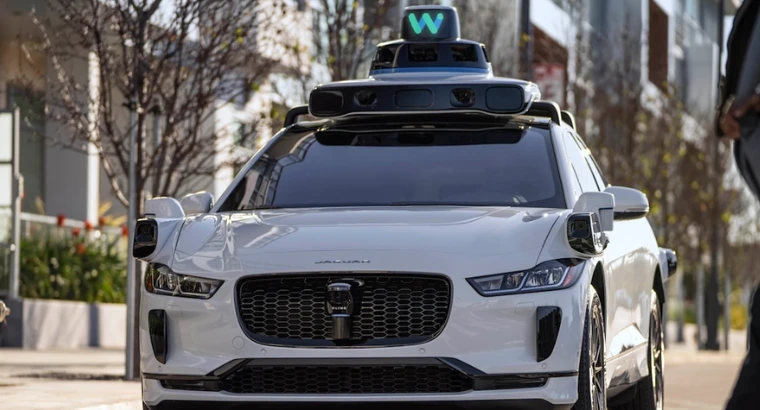
Waymo’s Next Step: Introducing Gemini AI into Robotaxis
Waymo, the autonomous vehicle subsidiary initially launched as a Google self-driving car project, is set to upgrade its robotaxis with the integration of Google’s Gemini AI assistant. This development marks a significant step in how artificial intelligence is transforming everyday life, particularly in the realm of transportation and mobility services.
Gemini AI: More Than Just an Assistant
Google has been rapidly advancing its Gemini AI, positioning it as a versatile assistant capable of handling a variety of tasks such as summarizing emails, generating images, and assisting users with complex queries. The growing capabilities of Gemini have opened new possibilities beyond traditional AI applications, prompting Waymo to explore its use inside autonomous vehicles.
Discovering the Integration Through App Code
Tech blogger and app researcher Jane Manchun Wong uncovered evidence of this integration while analyzing the code of Waymo’s mobile application. She revealed that the system prompt for an unreleased Gemini AI chatbot was embedded, indicating that Waymo plans to deploy Gemini as an in-car assistant. This AI would assist passengers during rides, potentially enhancing communication, navigation, and overall ride experience.
Implications for AI in Transportation
The introduction of Gemini AI into Waymo’s robotaxis exemplifies how AI tools are increasingly being embedded in daily work and services to boost productivity and user satisfaction. This move aligns with broader trends where AI assistants help streamline tasks and improve interaction in sectors beyond conventional office environments.
By leveraging Gemini’s capabilities, Waymo could offer passengers real-time information, personalized assistance, and even entertainment, making autonomous rides more comfortable and interactive. This integration also highlights how companies use AI to cut costs and differentiate their service offerings in a competitive market.
Looking Ahead
While the Gemini integration in Waymo’s robotaxis is still unreleased, its discovery signals a future where AI assistants become ubiquitous in various facets of transport and mobility. It raises interesting questions about the evolving role of AI in public services and how such technology will impact privacy, security, and passenger trust.
As AI continues to advance, Waymo’s adoption of Gemini reflects the ongoing AI race between tech giants like Google and Microsoft, each aiming to redefine user experience across industries.
Fonte: ver artigo original

Related Articles
 MEGA 2026 Set to Unite Latin America’s Gaming Industry Amid Regulatory and Investment Surge
 MayimFlow Leverages AI to Prevent Costly Data Center Leaks Before They Occur
 Researchers Successfully Extract Up to 96% of Harry Potter Text from Leading AI Models
 Former Harvard Students Launch AI-Powered Smart Glasses with Continuous Audio Recording