
The Tension Between OpenAI’s Mission and Its Business Model
OpenAI started as a bold experiment: a nonprofit dedicated solely to advancing artificial general intelligence (AGI) safely and for the global good. Fast forward, and it’s hard to ignore how OpenAI has morphed into a powerhouse straddling the line between idealism and capitalism. The question begs: can OpenAI truly serve humanity when it’s also a key player in an intense AI business war?
Power Concentration and the Illusion of Competition
The AI industry is rapidly consolidating power among a handful of players. OpenAI, backed by Microsoft’s deep pockets and distribution channels, sits at the center of this web. Its influence stretches from research labs to enterprise AI adoption. But with great power comes skepticism. How much of OpenAI’s mission is a marketing message, and how much governs its actual business decisions?
Trust: The Fragile Currency of AI
Trust isn’t just a nice-to-have for AI companies—it’s indispensable. OpenAI’s technology shapes narratives, decides what information is surfaced, and potentially influences millions daily. Yet, controversies around data privacy, usage, transparency, and bias plague the industry. OpenAI faces a fundamental challenge: can it be transparent enough to build public confidence while protecting proprietary models and strategic advantages?
Is Transparency Possible Without Compromising Innovation?
OpenAI’s approach to secrecy, especially around powerful language models, raises uncomfortable questions. While competitors like Meta push open-source AI, OpenAI’s guarded stance fuels fears of monopolistic control. Is this secrecy a necessity for safety or a strategy to maintain a competitive edge? The blurred lines between ethics and business strategy create a precarious balancing act.
Business Model Versus Social Responsibility
Monetizing AI is not inherently negative—without revenue, even the most visionary labs cannot survive. But OpenAI’s heavy reliance on licensing and partnerships with giants like Microsoft turns the mission into a battleground of interests. Does chasing profitability dilute commitments to ethical AI development? Or is this trade-off inevitable in the race to lead the AI future?
The Road Ahead: Can OpenAI Reconcile Power and Purpose?
As AI’s societal impact grows exponentially, OpenAI’s struggle with trust is a mirror for the entire industry. If the company fails to address the tension between its lofty goals and the realities of business, it risks eroding public faith in AI as a whole. The real power might not just be in the algorithms or data centers, but in the ability to lead honestly and ethically amidst unprecedented technological change.
Ultimately, trusting OpenAI is not about blind faith—it demands accountability, transparency, and sustained engagement with society’s hard questions. The future of artificial intelligence might well hinge on whether companies like OpenAI can prove they are worthy custodians of that trust.
Related coverage: AI Chronicle analysis and updates.
Sources consulted
Why it matters
This update influences the AI race across model providers, infrastructure leaders, and enterprise adoption decisions.

 How AI CEOs Are Quietly Rewriting the Rules of Global Power and Society
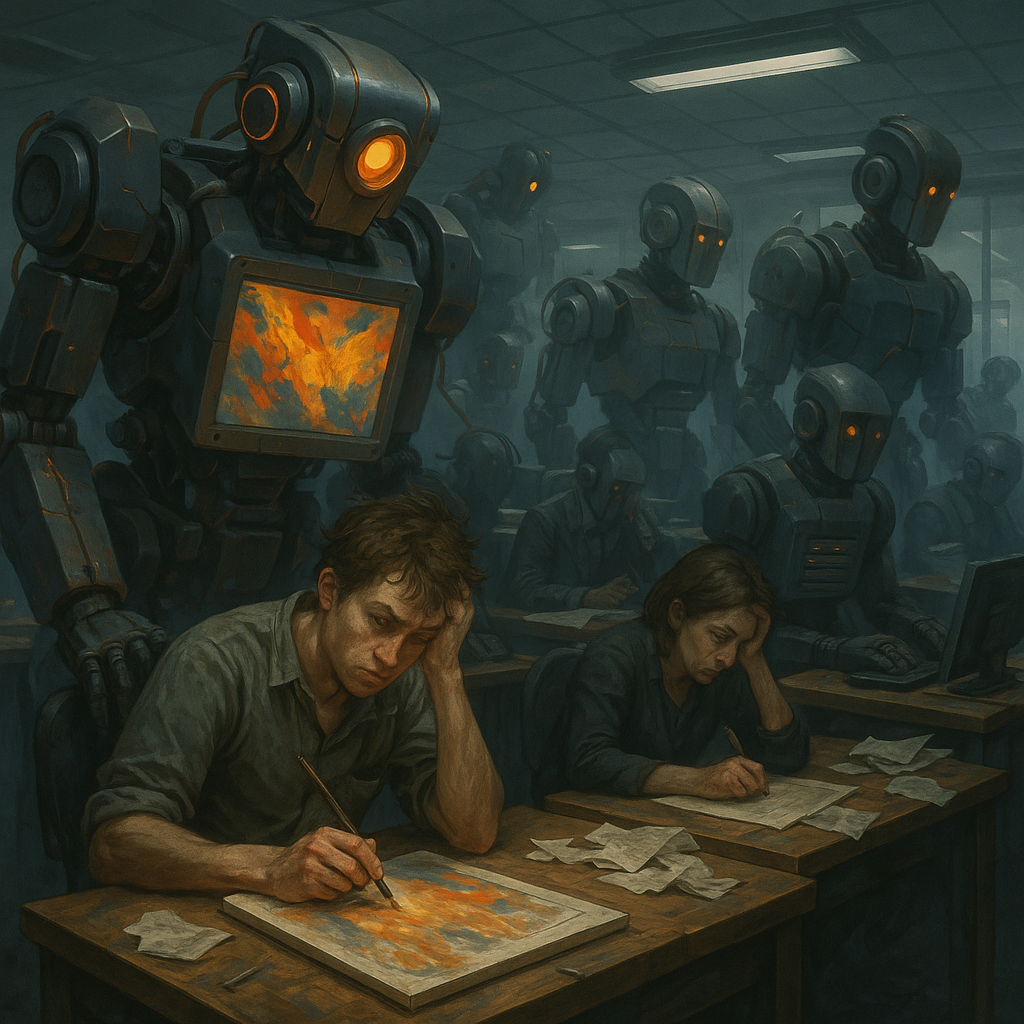 The Real Threat Behind AI: How Automation Is Quietly Killing Creativity and Jobs
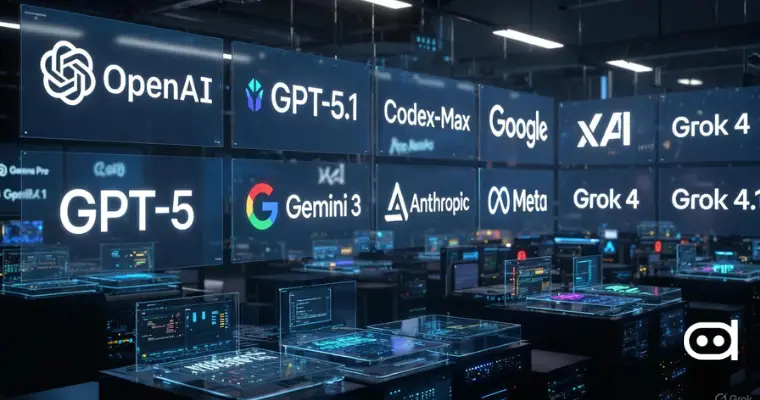 Major AI Model Releases of 2025 Mark a Turning Point in Artificial Intelligence
 Why NVIDIA’s AI Monopoly Threatens Innovation and Democratic Control