OpenAI’s meteoric rise: innovation shadowed by trust issues
Real Challenge Behind OpenAI Rise is at the center of this update. OpenAI isn’t just an AI lab anymore — it’s a tech powerhouse redefining what artificial intelligence means for society and industry. Yet, as this transformation unfolds, a critical question looms: can we trust the very entity shaping our AI-driven future? It’s easy to get dazzled by breakthrough products like ChatGPT, but trust isn’t built on features; it demands transparency, accountability, and alignment with broader societal values.
Why trust is the biggest hurdle for OpenAI
OpenAI’s evolution from a research-focused nonprofit to a business juggernaut backed by Microsoft and other investors has sparked debate about its true priorities. Is OpenAI championing artificial general intelligence (AGI) for humanity’s benefit, or is it navigating the pressures of profit and market dominance? This tension raises uncomfortable questions about transparency and governance in a space that moves faster than regulation.
The paradox of mission versus business model in AI
The company’s mission to ensure safe and broadly beneficial AGI collides with the realities of scaling commercial products and attracting capital. This dynamic fuels skepticism, with critics pointing to opaque decision-making and potential monopolistic tendencies. Without clear accountability mechanisms, how can society ensure AI companies don’t prioritize shareholder profits over ethical AI deployment?
Concentration of AI power: a double-edged sword
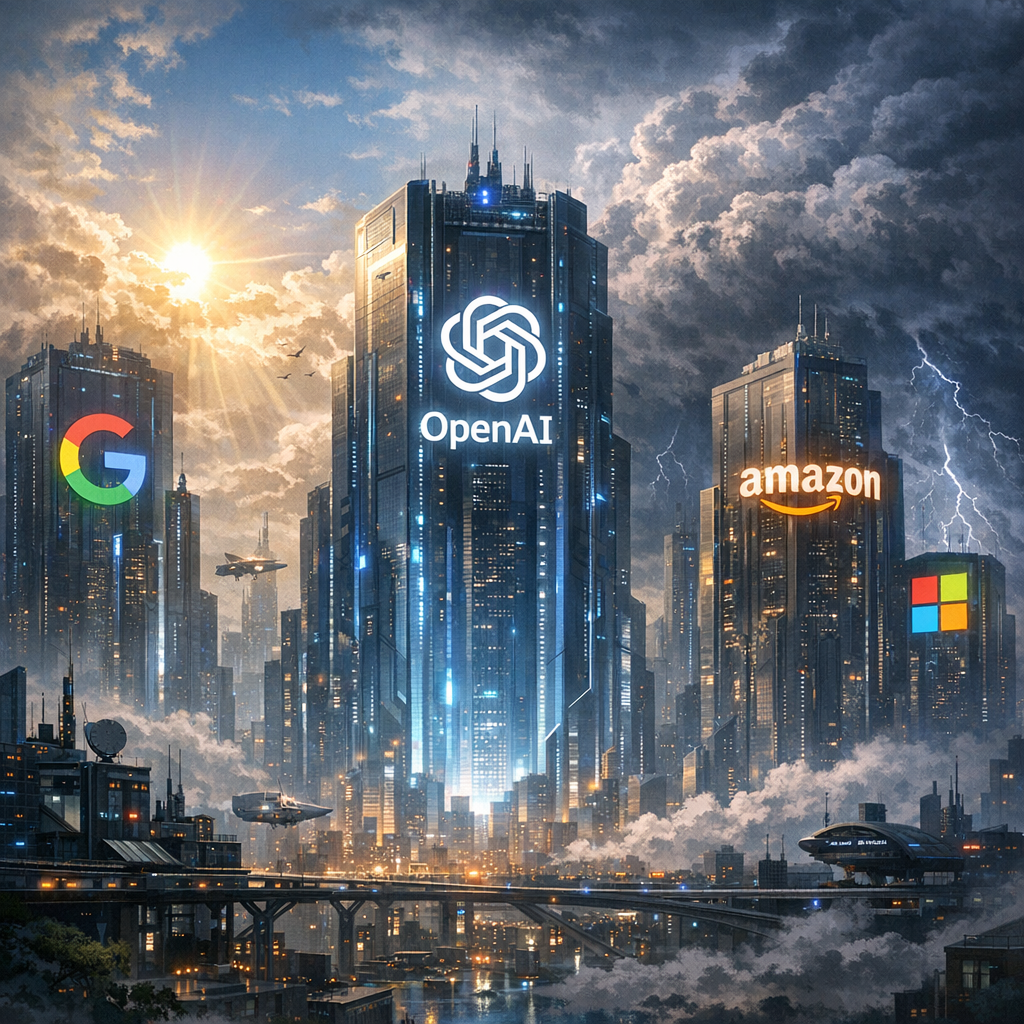
OpenAI’s partnership with Microsoft illustrates the broader trend: AI power is consolidating in a handful of companies controlling key infrastructure like chips, data centers, and talent. While this can speed innovation, it also creates dangerous gatekeepers, raising risks of reduced competition, innovation bottlenecks, and unchecked influence on AI governance and public discourse.
Is OpenAI setting a dangerous precedent?
Other AI firms, from Anthropic to Google’s DeepMind, wrestle with similar dilemmas, but OpenAI’s prominence means its choices ripple across the global AI ecosystem. The stakes are immense: public trust will determine whether AI is embraced as a tool for progress or feared as an uncontrollable force. OpenAI must lead by example, opening its governance, clarifying its priorities, and engaging the public honestly.
What comes next: navigating trust and power in AI
- Transparency: OpenAI and peers must demystify their decision processes and model deployment impacts to earn credibility.
- Accountability: Independent oversight and clear safety benchmarks are crucial to prevent unchecked AI escalation.
- Inclusive governance: Involving diverse stakeholders—including governments, ethicists, and civil society—should be a priority to balance innovation with societal good.
- Regulation and collaboration: Governments need to catch up and cooperate internationally to manage AI risks without stifling innovation.
In sum, OpenAI’s story is not just about technological leaps but about navigating a trust crisis in a concentrated AI landscape. This is the uncomfortable reality AI leaders must confront if they want to build a future that benefits everyone—not just the few who wield power today.
Related coverage: AI Chronicle analysis and updates.
Sources consulted
Why it matters
This update influences the AI race across model providers, infrastructure leaders, and enterprise adoption decisions.

Related Articles
 Meta Ventures Into Electricity Trading to Power Its Expanding Data Center Network
 Why AI Power Is Concentrating: The Rise of Nvidia and the Future of Artificial Intelligence Control
 The AI Leadership Crisis: How Power Concentration Threatens Innovation and Ethics (2026)
 Claude Integrates with Apple Health to Enhance Personalized Healthcare Support