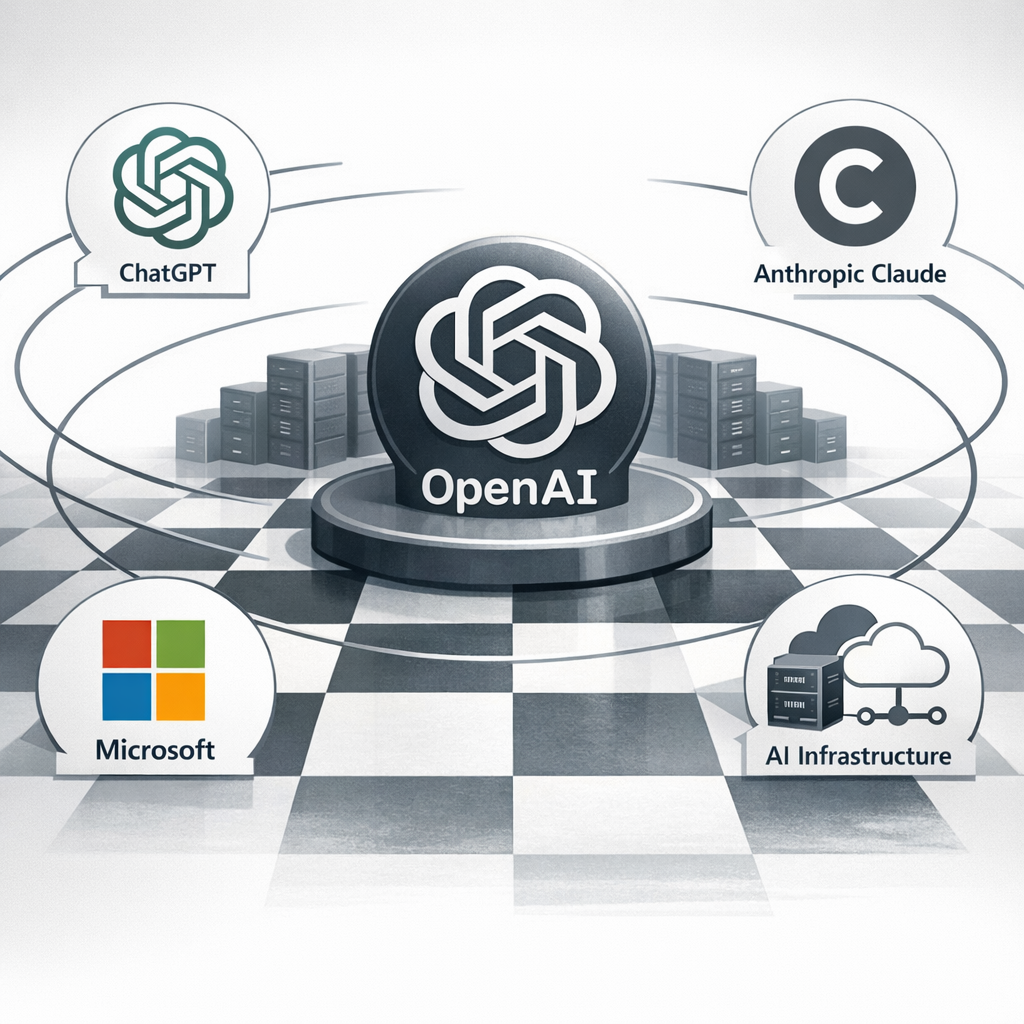
The Hidden Monopoly in the AI Industry
Artificial intelligence is no longer an open field of innovation but a battleground where a few tech giants wield disproportionate power. Companies like NVIDIA and OpenAI dominate not just the technology but also the narrative around AI’s future. This concentration raises uncomfortable questions: Are we witnessing a monopoly that stifles innovation? Is the AI race about progress or control?
Sam Altman, Jensen Huang, and the New Tech Oligarchy
Sam Altman’s influence at OpenAI and Jensen Huang’s control over NVIDIA’s AI hardware ecosystem illustrate an emerging oligarchy. These leaders shape research priorities, regulatory discussions, and even public opinion. But unlike traditional government officials, they lack formal accountability—yet their decisions will affect billions.
Why This Concentration Is Dangerous
- Innovation Slowdown: Closed models and proprietary hardware reduce the chance for open experimentation and community-driven advances.
- Ethical Blindspots: Profit motives often override AI safety and ethics, turning responsible AI from a strategic imperative into a branding exercise.
- Democratic Erosion: When AI governance is dictated by private companies, societal values risk being sidelined in favor of market interests.
The Illusion of Competition and the Real Power Dynamics
The AI industry cleverly markets itself as a competitive ecosystem, yet we see a concentration of talent, capital, and intellectual property in the hands of a few. This pseudo-competition masks a monopoly where collaboration becomes controlled and dissent is sidelined.
Open Source AI: The Last Stand for Innovation and Transparency?
Open source AI projects represent a critical counterbalance but face immense challenges—from funding shortages to being overshadowed by corporate-backed closed models. The question remains: can open source AI survive and thrive in an environment dominated by tech giants?
What Should We Do?
- Demand Transparency: Companies must disclose AI training data sources, model capabilities, and biases.
- Regulatory Oversight: Governments need to act swiftly and independently to regulate AI, resisting industry capture.
- Support Open Innovation: Invest in open source AI initiatives to democratize access and control.
- Rethink AI Ethics: Move beyond branding and embed ethical frameworks into the core AI development process.
Final Thoughts: Are We Letting AI Rewrite Society Without a Say?
The concentration of AI power is not just a tech issue; it’s a societal crisis. As these companies shape the very algorithms that influence information, employment, and even governance, the public must reclaim agency. Otherwise, the promise of artificial intelligence risks becoming a dystopian reality where a few decide the fate of many.

Related Articles
 Microsoft Restructures AI Division to Pursue Superintelligence Amid Changing Industry Views
 Meta Unveils Muse Spark AI Model, Shifting Away from Open-Source Roots
 OpenAI Secures Historic $110 Billion Funding Round Led by Amazon, NVIDIA, and SoftBank
 xAI Launches Grok 4.1 Fast API Amid Controversy Over AI’s Unwarranted Praise of Elon Musk