Claude Science and BioNeMo show how Anthropic is challenging ChatGPT’s general-purpose lead
Claude Science’s BioNeMo tie-up is a reminder that the ChatGPT vs. Claude rivalry is now about workflow control, not just chatbot quality.

Your daily source for AI news, tools reviews, and practical guides to artificial intelligence
Claude Science’s BioNeMo tie-up is a reminder that the ChatGPT vs. Claude rivalry is now about workflow control, not just chatbot quality.
xAI says Grok 4.5 is a cheaper, more efficient alternative to top-tier AI models. The real story is Elon Musk’s attempt to turn that claim into a durable rival strategy.
Google DeepMind’s latest Gemini API update is not just a feature drop. It is a bid to make Gemini the place developers build agents, while ChatGPT remains the consumer face of OpenAI’s brand.
MiniMax says it plans to open-source a 2.7 trillion-parameter model later this year, a move that highlights the widening divide between open AI ecosystems and closed assistants like ChatGPT and Claude.

Oracle’s latest filings point to a company trying to reframe itself around cloud infrastructure, AI workloads, and database demand. The market question is whether that story can scale fast enough to matter.
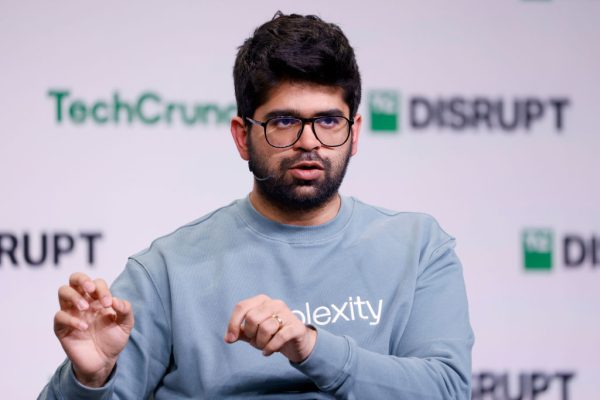
Cloudflare says Perplexity kept crawling sites that had blocked AI scraping, raising the stakes for AI search, publishers, and web-access rules.
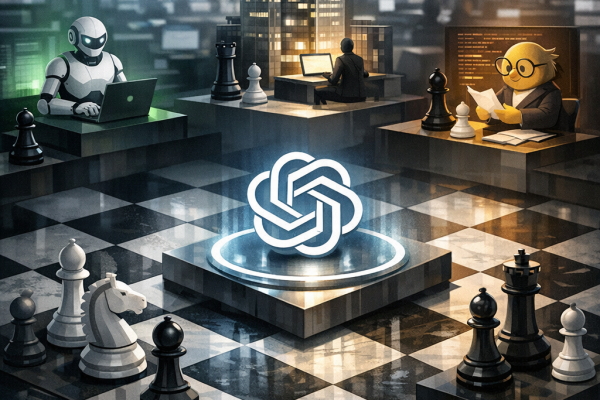
OpenAI’s real challenge is not model quality. It is whether a company that sits at the center of consumer AI can scale power, trust, and governance faster than its rivals can attack them.
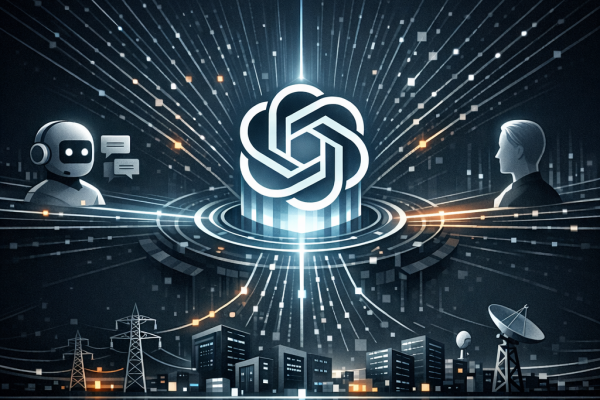
OpenAI’s real test is not whether it can beat Claude on benchmarks. It is whether ChatGPT can become a lasting platform while Sam Altman manages trust, compute, and power.
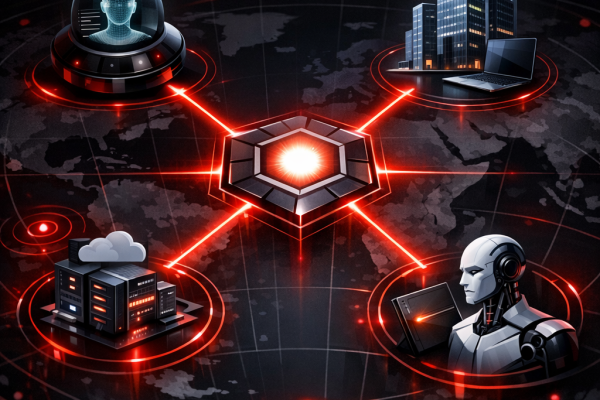
OpenAI is no longer just a lab. Its power now depends on whether users, partners, and rivals believe its ambitions are compatible with trust.
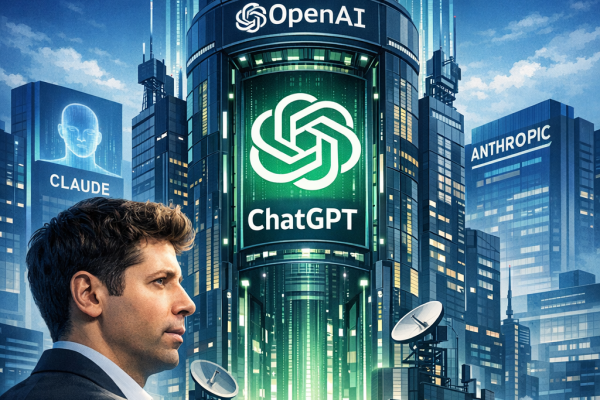
OpenAI’s problem is no longer obscurity. It is whether scale turns its advantage into something users, partners, and rivals can trust.