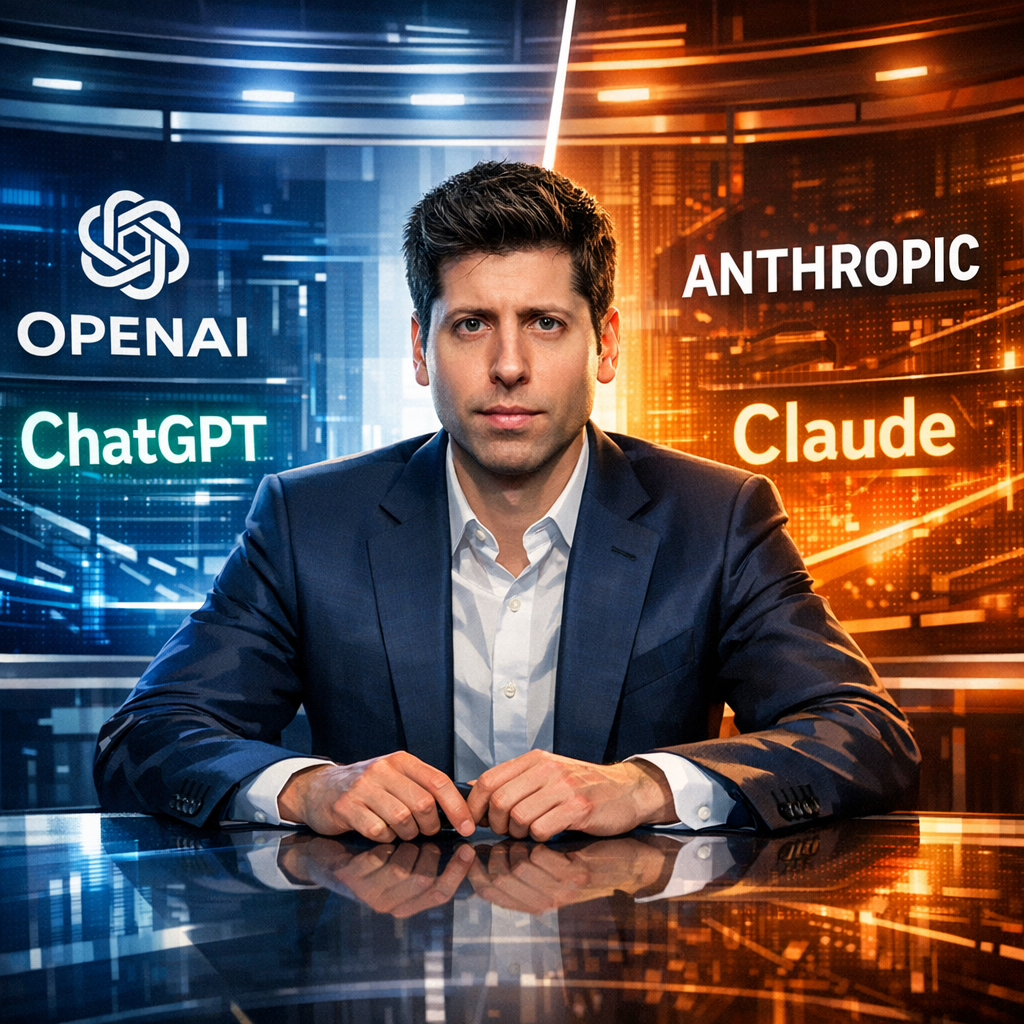
OpenAI’s real problem is power, not product
OpenAI strategy trust is at the center of this update. OpenAI has already won the easier argument. ChatGPT made the company the reference point for consumer AI, and that kind of cultural reach is not accidental. But the harder question is what happens when a product becomes the front door to a category. At that point, OpenAI is no longer just selling capability. It is managing expectations, dependencies, and reputational risk at scale.
That is why the company’s biggest challenge is not whether it can keep shipping impressive models. It is whether it can remain the default AI brand while operating under the scrutiny that comes with being the most visible company in the field.
The ChatGPT advantage is real, but so is the burden
The evidence for OpenAI’s strength is clear enough. ChatGPT remains the most recognizable AI product in the market, and OpenAI has turned that visibility into a broader product strategy. Its tie-up with Microsoft also gives it something rivals would love to have: distribution and infrastructure that extend beyond a single app.
But the same facts also reveal the burden. The more OpenAI depends on scale, the more it becomes exposed to reliability concerns, governance questions, and the politics of platform control. The more central ChatGPT becomes, the less room OpenAI has to act like a nimble lab and the more it has to behave like a utility that people expect to work, stay consistent, and remain accountable.
Anthropic is not trying to beat OpenAI everywhere
Anthropic and Claude matter because they are attacking OpenAI where the pressure is most strategic: trust, enterprise fit, and perceived caution. That is a smarter fight than trying to out-hype OpenAI on every consumer metric. A rival does not need to win the entire market to matter. It only needs to become the default choice for buyers who care about control and reliability.
That is the real competitive shift. OpenAI is still the loudest company in the room, but Anthropic is making a case that quieter can also mean safer. In an industry where adoption increasingly depends on risk tolerance, that is not a side note. It is strategy.
Why scale is OpenAI’s edge and its trap
The technical context matters here. Frontier AI is expensive to build and expensive to serve. Compute access, infrastructure, and capital intensity are not background details; they are the battlefield. OpenAI’s scale is an advantage because it can absorb that complexity better than smaller rivals. But scale also makes every weakness more visible.
If ChatGPT stumbles, the market does not treat it as one product issue. It treats it as a verdict on the company’s ability to govern the category. That is a much harsher standard than most technology firms ever face.
The AI race is now a contest over credibility
OpenAI still has the strongest combination of mindshare, product momentum, and strategic partnerships. That is why dismissing it would be lazy analysis. But the company’s real test is no longer invention. It is legitimacy.
The AI race is moving toward a structure where distribution, infrastructure, and trust matter as much as raw model quality. OpenAI helped create that reality, and now it has to survive it. If the company succeeds, it will define the operating model for the next phase of AI. If it fails, rivals will not need to beat it on every dimension. They will only need to look more dependable.
Sources
OpenAI official product and company announcements; Microsoft investor relations materials and earnings commentary; Anthropic official product and company materials; reputable market reporting on OpenAI, Microsoft, Anthropic, and the enterprise AI market.
Related coverage: AI Chronicle analysis and updates.
Sources and further reading
- http://OpenAI%20official%20product%20and%20company%20announcements
- https://openai.com/news/
- https://www.anthropic.com/news

 Is AI Destroying Creative Professions? A Provocative Look at the Future of Human Creativity
 Sam Altman’s OpenAI: Balancing Mission and Market in the AI Power Play
 OpenAI’s Real Problem Is Not ChatGPT. It Is Power.
 Why OpenAI’s Struggle with Trust Is the Real Challenge in the AI Race