Cloudflare’s new crawler rules expose 3 tensions in the OpenAI-ChatGPT race
Cloudflare’s crawler controls don’t just affect bots. They expose a deeper split between OpenAI’s ChatGPT-style agents and the web publishers that power them.

Your daily source for AI news, tools reviews, and practical guides to artificial intelligence
Cloudflare’s crawler controls don’t just affect bots. They expose a deeper split between OpenAI’s ChatGPT-style agents and the web publishers that power them.
Cloudflare’s new defaults for AI crawlers may reshape how ChatGPT-style agents reach the open web—and what OpenAI must negotiate next.

OpenAI no longer looks like a lab with a chatbot. It looks like a platform with systemic influence, and that changes the stakes.
S&P Global’s Oracle downgrade puts OpenAI at the center of a new AI-race question: who absorbs the cost when demand outruns capacity?

AWS’s GraphRAG deployment highlights a bigger rivalry: ChatGPT’s broad assistant model versus Claude’s enterprise grounding, and what that means for OpenAI.
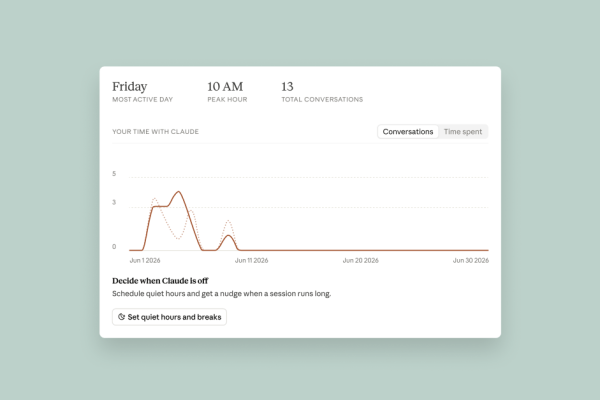
Anthropic’s Claude reflect feature borrows the logic of year-in-review apps to show users how they use the chatbot—and why that matters in the AI race.
OpenAI’s conflict is bigger than ChatGPT. The company now sits between product, platform, and founder power — and that is exactly why Anthropic matters as a contrast.

Microsoft’s 25% emissions increase is a reminder that the AI race is not just about model quality. It is also about power, infrastructure, and trade-offs.

OpenAI’s ChatGPT sits at the center of the AI race, but the deeper contest is over compute, capacity, and who controls the infrastructure behind it.

Google’s latest privacy settings shift is more than a menu change. It highlights the tradeoff at the center of the Gemini race: richer data for model improvement versus tighter user control.