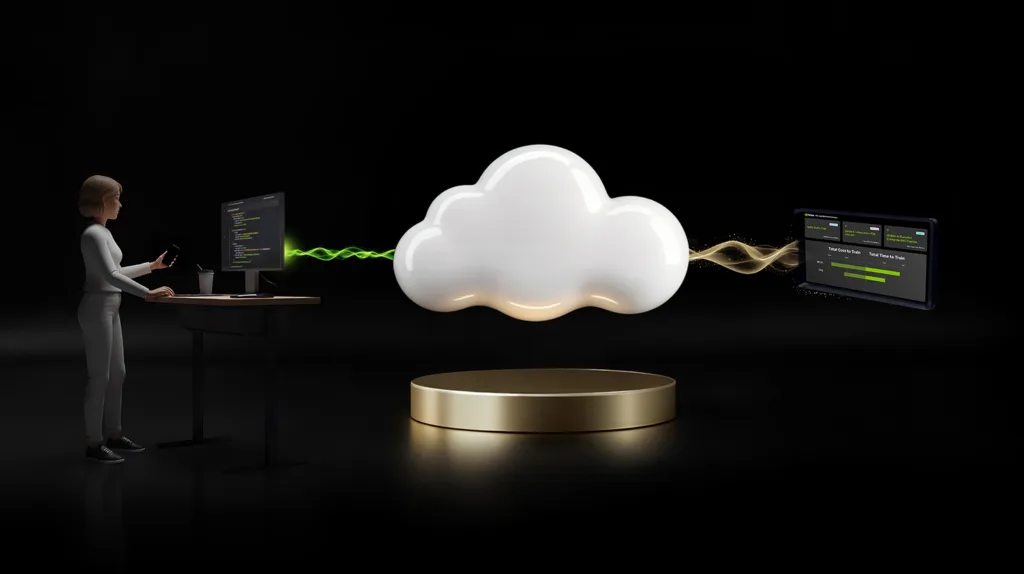
Anthropic’s Claude reflect feature is a small product update with a bigger strategic message: in the AI race, the companies that win may be the ones that help users understand themselves as much as the model.
The new dashboard borrows from the Spotify Wrapped playbook, but the goal is not nostalgia. It is retention. By showing people what they ask Claude to do, when they use it, and which topics recur, Anthropic is turning usage history into a product surface that can make the assistant feel more personal and more indispensable.
Claude’s reflection dashboard turns usage into a competitive edge
According to Anthropic’s announcement, the feature summarizes a user’s activity over the past month, three months, six months, or year. It surfaces key topics, the kinds of tasks users delegate to Claude, and peak usage times. Anthropic says the purpose is to help people “see your patterns and shape them.”
That framing matters. It positions Claude as a tool for self-awareness, not just output. In a market where chatbots can increasingly perform similar tasks, the product layer becomes part of the moat.
Anthropic is selling utility, not just model performance
OpenAI’s ChatGPT remains the best-known consumer AI brand, but Anthropic has been trying to differentiate Claude around usefulness, trust, and workflow fit. A reflection feature fits that strategy because it gives users a reason to return and a reason to think about how they use the assistant over time.
For Anthropic, the competitive question is not only whether Claude can answer better. It is whether Claude can become part of a user’s routine in a way that feels more deliberate and more transparent than a generic chat interface.
Why year-in-review features are spreading into AI
The broader trend started with Spotify Wrapped and spread to consumer apps that want to turn data into a shareable identity product. In AI, the same idea carries a different twist: a lookback can reveal patterns in how people learn, work, and delegate tasks.
That could make the assistant feel more valuable, but it also raises questions about interpretation and privacy. A dashboard that summarizes behavior is only useful if users understand what is being counted, how it is presented, and whether they are comfortable with the underlying data being analyzed.
What this could change for users and developers
For users, the upside is clarity. A reflection tool can show whether Claude is mostly used for writing, coding, research, or brainstorming, and whether it is becoming a daily habit or an occasional utility.
For developers and enterprise teams, the signal is more strategic. If Anthropic keeps building features that make usage visible and repeatable, Claude may become easier to embed into workflows, which can matter as much as model quality in the long run.
The open questions are practical: who gets the feature, how opt-in it is, and what controls exist around the data. Those details will shape whether Claude reflect feels like a helpful mirror or just another engagement feature.
Sources consulted: The Verge’s report on Anthropic’s announcement and the Anthropic blog post cited in that report.
Related coverage: AI Chronicle analysis and updates.
Sources and further reading
- http://The%20Verge,%20'Say%20hello%20to%20Claude%20Wrapped'%20(source%20excerpt%20and%20linked%20full%20story)
- https://openai.com/news/
- https://www.anthropic.com/news

Related Articles
 Salesforce Unveils Advanced Slackbot AI to Compete with Microsoft and Google in Enterprise AI
 OpenAI and Molecule.one Harness GPT-5.4 to Advance Medicinal Chemistry
 Anthropic Retires Claude Opus 3 AI Model with a Unique Human Touch: Launches Retirement Blog
 Physical AI Conference to Highlight Robotics and Autonomous AI Advances in San Jose