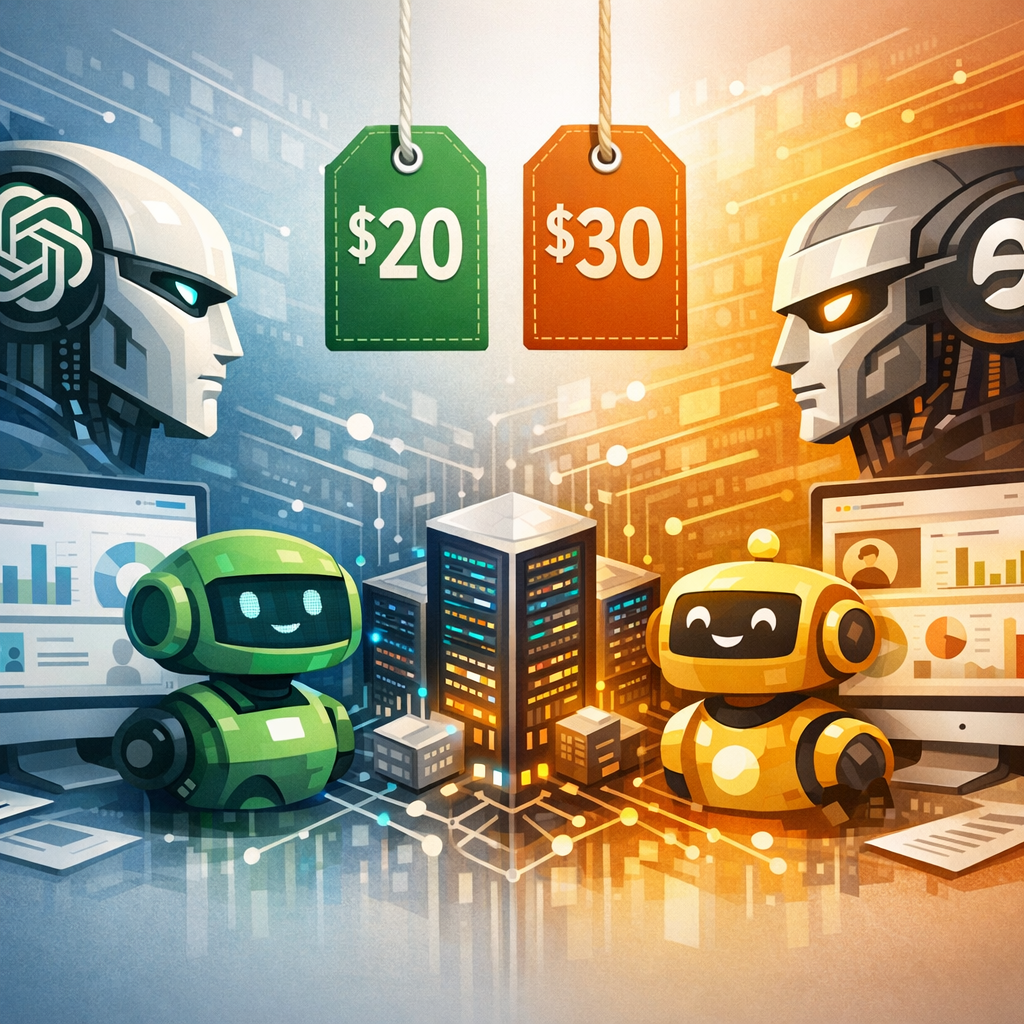
ChatGPT’s broad assistant play meets Claude’s enterprise trust pitch
ChatGPT versus Claude update is at the center of this update. AWS’s new GraphRAG example is not an OpenAI announcement, but it does sharpen the ChatGPT versus Claude rivalry. The source describes a pharmaceutical workflow built on Amazon Neptune Analytics and Bedrock that pulls together internal records and public research, then uses Claude 4.5 Sonnet inside the pipeline to answer queries with citations and provenance.
That matters because it shows where the AI race is moving: away from generic chatbot demos and toward systems that can retrieve, verify, and explain answers inside messy corporate data.
AWS is selling the retrieval layer, not the flashiest model
The core claim in the source is operational, not theatrical. AWS says the GraphRAG deployment cut drug research cycles by 87% by unifying previously siloed databases into a searchable knowledge graph. It also says the system can connect public repositories such as PubMed with proprietary internal notes, then map answers back to source material.
That is a different value proposition from ChatGPT’s consumer-facing breadth. OpenAI’s product is still the best-known front door into AI for many users, but AWS is showing why enterprise buyers often care more about governance, traceability, and integration than about a model’s personality.
What the OpenAI-Anthropic split says about the AI race
OpenAI, with Sam Altman as its public face, has built ChatGPT into the category-defining assistant. Anthropic has taken a more explicit enterprise and safety-first path with Claude. AWS’s decision to showcase Claude inside Bedrock reinforces that split: OpenAI is the brand most associated with general-purpose AI, while Claude is increasingly positioned as the model enterprises can embed into controlled workflows.
The strategic tension is not just about model quality. It is about distribution, trust, and where the workflow lives. If the workflow sits inside AWS infrastructure, Claude gets a practical advantage. If the workflow starts with a consumer assistant, ChatGPT still has the stronger mindshare.
Why developers may care more about citations than conversation
For developers, the real contest is whether an assistant can prove its answer. The source emphasizes exact citations, graph traversal, and source verification. That is the kind of feature set that can matter in pharma, compliance, and other regulated environments where hallucinations are not a minor bug but a business risk.
That creates pressure on OpenAI and Anthropic alike. ChatGPT has to keep expanding beyond a general assistant into a dependable enterprise layer. Claude has to keep proving that its trust-oriented pitch translates into adoption, not just favorable positioning.
What to watch as ChatGPT and Claude chase the same buyers
The most important question is whether enterprise AI buying shifts toward retrieval-first architectures like GraphRAG or stays model-first. If the former wins, cloud vendors such as AWS gain leverage because they control the data plumbing. If the latter wins, OpenAI’s ChatGPT brand remains the strongest shorthand for AI capability.
For now, this source supports one clear conclusion: the AI race is increasingly about who owns the workflow around the model, not just the model itself.
Editorial note: This article is editorial analysis, not investment advice.
Related coverage: AI Chronicle analysis and updates.
Sources and further reading
- http://PubMed%20as%20referenced%20in%20the%20source%20material
- https://openai.com/news/
- https://www.anthropic.com/news

Related Articles
 MiniMax’s Open-Source Gambit Points to a Bigger Split in the AI Race
 Levi Strauss Leverages AI and Cloud Technology to Drive Direct-to-Consumer Strategy
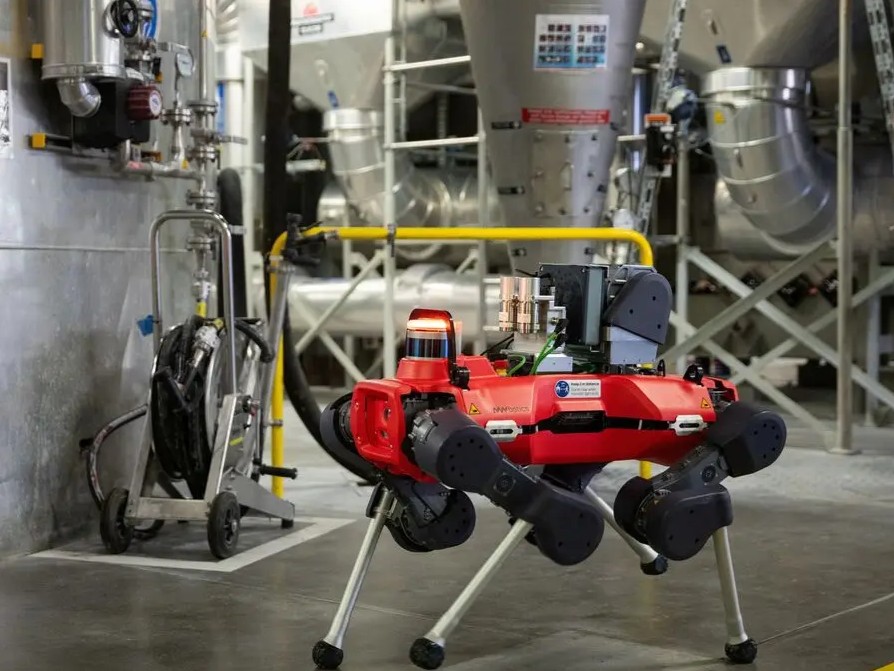 SAP and ANYbotics Collaborate to Revolutionize Industrial Inspections with Physical AI
 Understanding the SaaSpocalypse: How AI Is Reshaping the SaaS Landscape