What happened
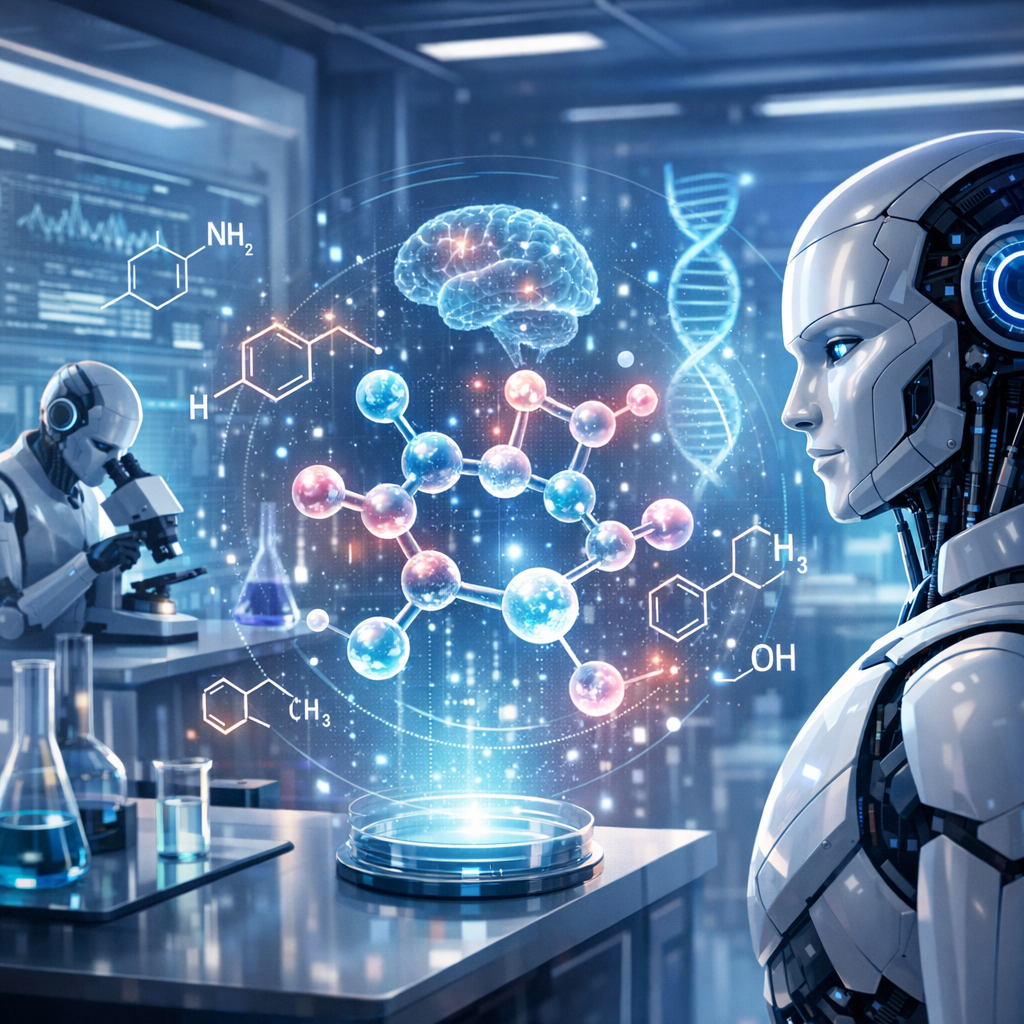
OpenAI GPT chemist is at the center of this update. OpenAI’s latest GPT-5.4 model, integrated with Molecule.one’s platform, demonstrates near-autonomous AI capabilities by improving a challenging medicinal chemistry reaction, marking a milestone in AI-driven drug discovery.
OpenAI and Molecule.one Harness GPT-5.4 to Advance Medicinal Chemistry
OpenAI, in collaboration with Molecule.one, has unveiled a near-autonomous AI chemist powered by the advanced GPT-5.4 model that significantly improved a challenging chemical reaction essential to drug synthesis. This achievement marks a pivotal moment in the application of large language models (LLMs) beyond traditional language and coding tasks, extending their utility into medicinal chemistry.
What Happened
The AI chemist system autonomously proposed and refined reaction conditions for a difficult drug-making process, outperforming conventional methods that rely heavily on human expertise and trial-and-error experimentation. By leveraging GPT-5.4’s reasoning and domain knowledge capabilities, the collaboration demonstrated that AI can independently contribute to complex chemical innovation.
Why It Matters
This development signals a strategic evolution for OpenAI, showcasing the versatility of GPT-5.4 in scientific research. The ability of AI to optimize drug synthesis reactions holds promise for accelerating pharmaceutical R&D, reducing costs, and enabling the discovery of novel therapeutics. It also illustrates how AI can transform traditional laboratory workflows, potentially reshaping the pharmaceutical industry’s innovation pipeline.
Context
OpenAI’s GPT series has dominated headlines primarily for conversational AI and coding assistance. Partnering with Molecule.one, a leader in AI-driven synthesis planning, the company has demonstrated a sophisticated use case where LLMs can actively contribute to experimental science. This aligns with the broader AI race among industry leaders like Anthropic, Google DeepMind, and others to apply AI models in specialized scientific and industrial domains.
Expected Impact
Pharmaceutical companies are likely to integrate AI chemists into their research processes, leveraging such technology to enhance efficiency and innovation. This breakthrough may also intensify competition among AI companies to develop domain-specific AI solutions. OpenAI’s success here could spur further investments and partnerships focused on AI-enabled drug discovery.
What We Still Do Not Know
Key details remain unclear, including the exact chemical reaction improved, the level of human intervention in the AI’s recommendations, and the broader applicability of this approach to other medicinal chemistry challenges. The integration of such AI tools into regulatory and industrial settings is another open question.
Related coverage: AI Chronicle analysis and updates.
Sources consulted
- https://openai.com/index/ai-chemist-improves-reaction
- https://openai.com/news/
- https://www.anthropic.com/news
Why it matters
This update influences the AI race across model providers, infrastructure leaders, and enterprise adoption decisions.

 Fintech Startup Parker Files for Bankruptcy Amidst Industry Challenges
 Hachette Withdraws Horror Novel ‘Shy Girl’ Amid AI Generation Concerns
 Challenges Hit Hardware Companies Amid AI Industry Shifts
 Physical AI Conference to Spotlight Robotics and Autonomous AI Advancements in San Jose