OpenAI’s Dual Identity: Mission Versus Market Power
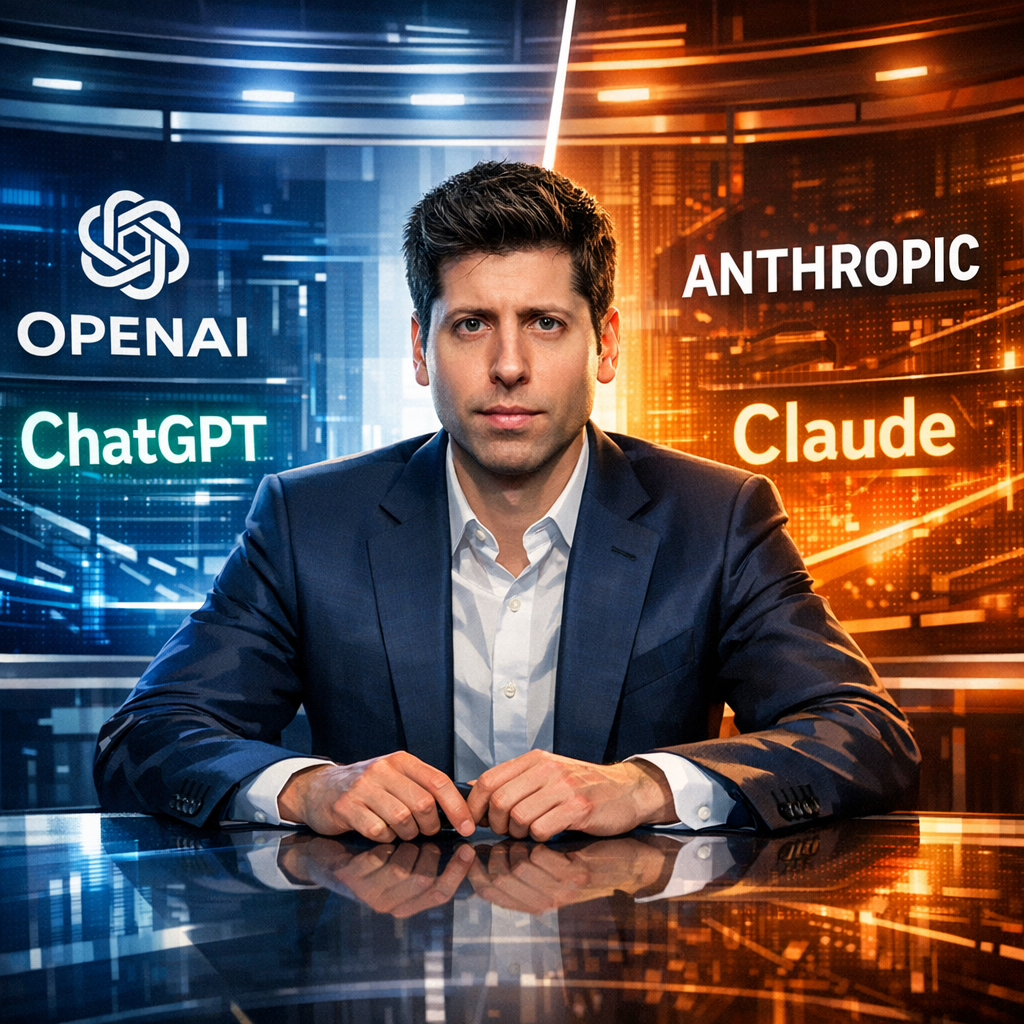
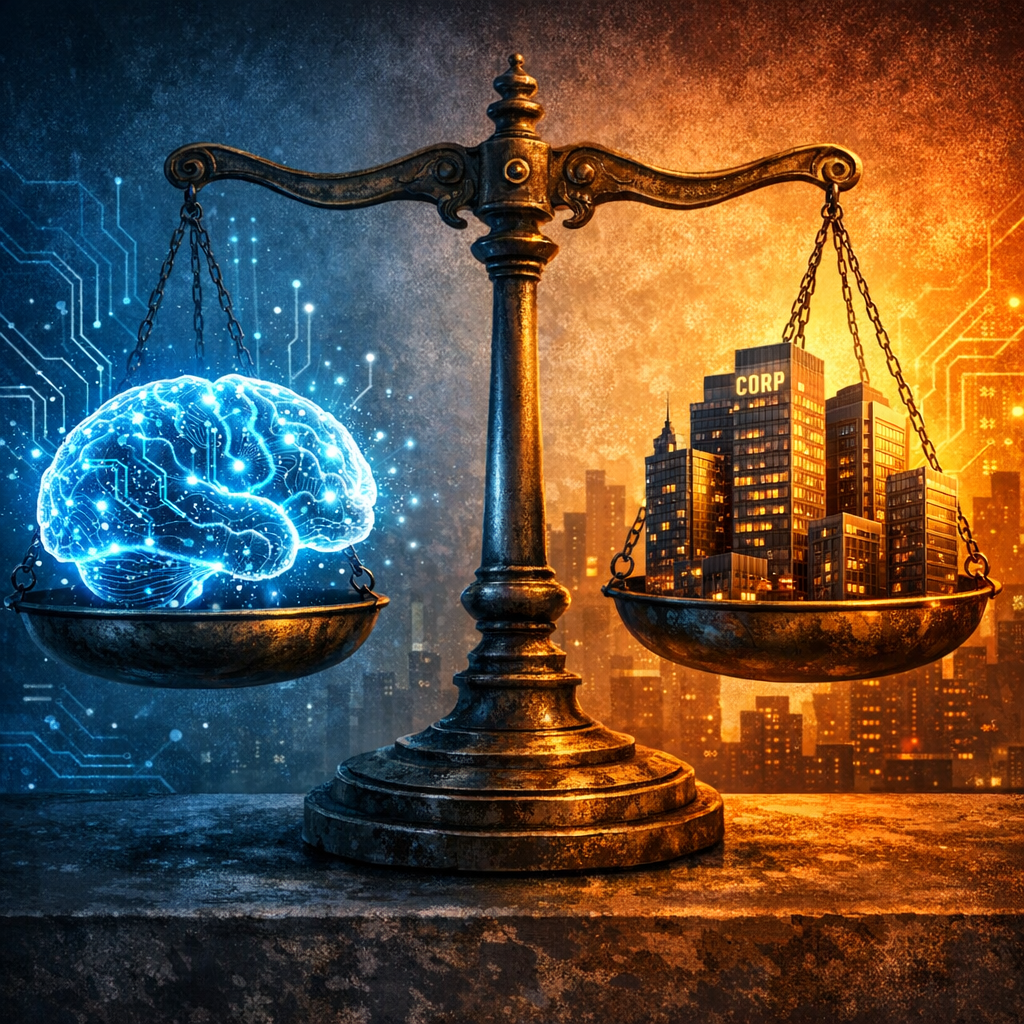
OpenAI mission market power is at the center of this update. When OpenAI was founded, its promise was clear: to build artificial general intelligence (AGI) that benefits humanity as a whole. Under Sam Altman’s stewardship, however, OpenAI has transformed into a formidable commercial entity with deep ties to Microsoft and a dominant position in AI market infrastructure. This evolution is not just a company story—it’s a microcosm of the AI industry’s growing pains.
The crucial tension lies in balancing the original mission with the immense power and influence OpenAI now commands. Its capped-profit structure and strategic partnerships have accelerated innovation and deployment, exemplified by ChatGPT’s breakthrough impact. These advances have reshaped the competitive landscape, sparking rival responses from safety-focused Anthropic to Google’s research-centric DeepMind and Meta’s open-source gambit.
Why Trust Is the Real Challenge
OpenAI’s rapid commercialization raises important questions about trust. Can a company with growing market dominance continue to prioritize safety and ethical considerations without compromising for profit? While OpenAI publishes research and engages with governance initiatives, skeptics worry that the balance may tip as revenue pressures mount and competition intensifies.
Yet, the counterpoint is compelling: OpenAI’s hybrid model could be the realistic path to sustainable innovation, securing the infrastructure and talent necessary to push AI capabilities forward while maintaining a degree of public accountability. The Microsoft partnership provides distribution and compute advantages that smaller labs cannot match, arguably democratizing access to powerful AI tools.
Implications for the AI Ecosystem
The way OpenAI manages this tension sets a precedent. If it leads responsibly, it could shape norms of transparency and safety, influencing regulatory frameworks and industry standards. If not, it may provoke fragmentation and stricter oversight, reshaping competitive dynamics and slowing innovation.
As the AI race heats up, the stakes around trust, governance, and mission fidelity are as high as those around technology and market power. OpenAI’s path forward will be watched closely—not just for what it builds, but how it wields its influence.
Conclusion
Sam Altman’s OpenAI is emblematic of the AI industry’s central dilemma: harnessing unprecedented power while staying true to a mission that benefits all. Its success or failure in navigating this tension will profoundly influence the future of artificial intelligence—and the global race to define its role in society.
Related coverage: AI Chronicle analysis and updates.
Sources consulted
Why it matters
This update influences the AI race across model providers, infrastructure leaders, and enterprise adoption decisions.

Related Articles
 How NVIDIA’s AI Monopoly Threatens Innovation and Concentrates Power
 Why AI Power Concentration Threatens Innovation and Democracy (2026)
 A Verdade Incômoda Sobre o Futuro do Trabalho na Era da Automação e IA
 How AI CEOs Like Sam Altman Are Redefining Power and Control in the Artificial Intelligence Industry