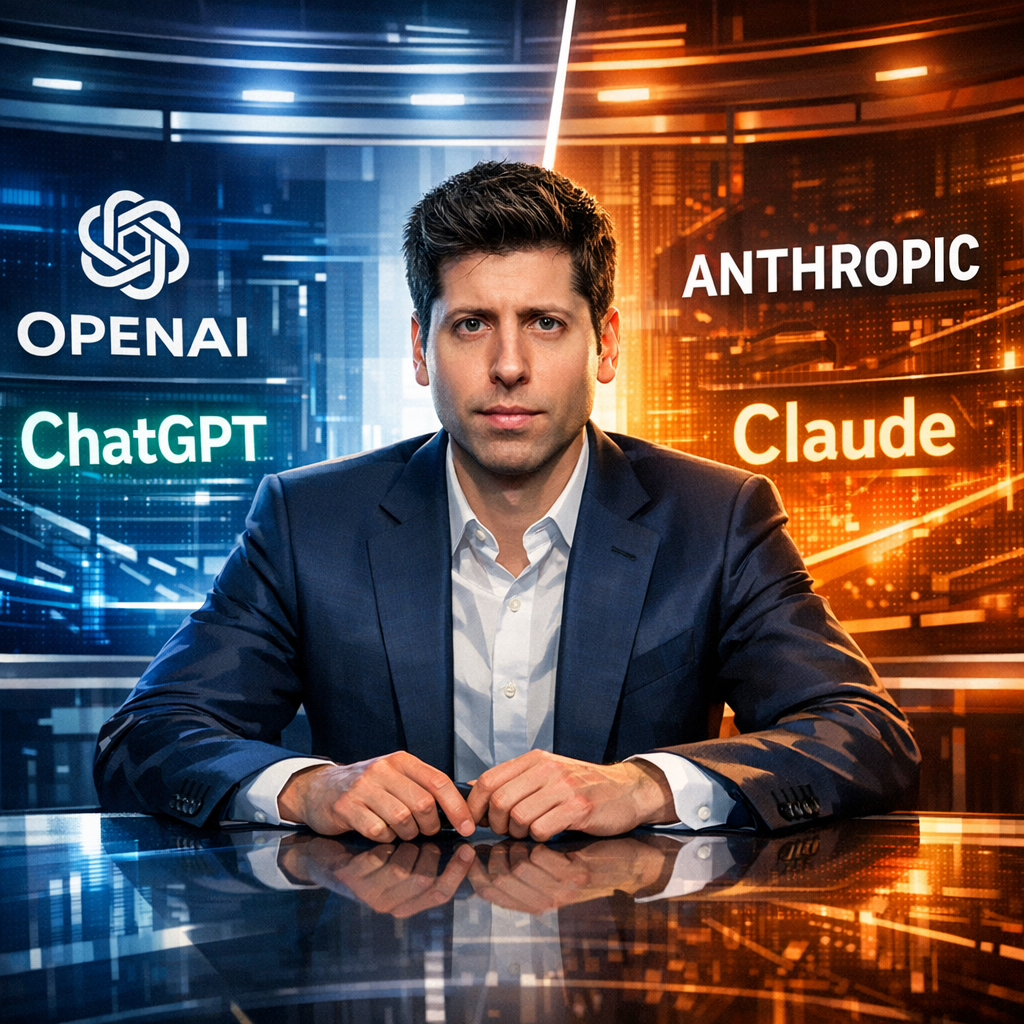
OpenAI’s Paradox of Power and Trust
OpenAI trust power analysis is at the center of this update. Under Sam Altman’s stewardship, OpenAI has morphed from a mission-driven nonprofit into a commercial juggernaut central to the AI revolution. This evolution embodies a key tension in the AI race: the struggle to balance technological leadership with public accountability.
OpenAI’s ability to develop and deploy powerful AI models like ChatGPT has reshaped the industry, accelerating innovation and setting commercial standards. However, this rapid growth has outpaced governance structures, leaving questions about transparency, safety, and concentration of power unanswered.
Why This Matters
OpenAI’s trajectory is a bellwether for the AI industry, which increasingly revolves around a few entities controlling not just technology but the data, compute resources, and business models that define AI’s future. Trust in these companies is critical because AI’s societal implications—spanning privacy, misinformation, jobs, and safety—are profound and immediate.
Evidence and Context
The OpenAI-Microsoft partnership exemplifies how corporate alliances can amplify AI reach and infrastructure but also complicate governance. This hybrid nonprofit-commercial model is unprecedented, raising dilemmas about profit motives conflicting with ethical obligations. Meanwhile, competitors like Anthropic emphasize safety and transparency, while Google DeepMind plays a long-term strategic game, highlighting diverse approaches within the AI race.
Counterpoint
Critics of the trust concern argue that commercialization drives the necessary scale and investment for AI breakthroughs. Secrecy is seen as vital to protect competitive advantage and prevent misuse. From this perspective, OpenAI’s strategy is pragmatic and beneficial for accelerating AI’s positive impact globally.
Implications for the AI Race
The centralization of AI power in players like OpenAI sets the stage for future industry dynamics where governance, ethical oversight, and public trust are as decisive as compute power or model quality. How OpenAI manages these challenges may determine the trajectory of AI adoption and regulation worldwide.
Conclusion
Sam Altman’s OpenAI encapsulates the promise and peril of contemporary AI leadership. Its success will not simply be measured in model capabilities or market share but in how it navigates the vital, complex task of earning and sustaining the trust of society amid unparalleled power. The AI future depends on this delicate balance.
Related coverage: AI Chronicle analysis and updates.
Sources consulted
Why it matters
This update influences the AI race across model providers, infrastructure leaders, and enterprise adoption decisions.

 Sam Altman and the New AI Power Elite: Who Really Controls the Future of Artificial Intelligence?
 Why OpenAI’s Biggest Challenge May Be Trust
 Why OpenAI’s Trust Crisis Could Be the Biggest Threat to the Future of AI