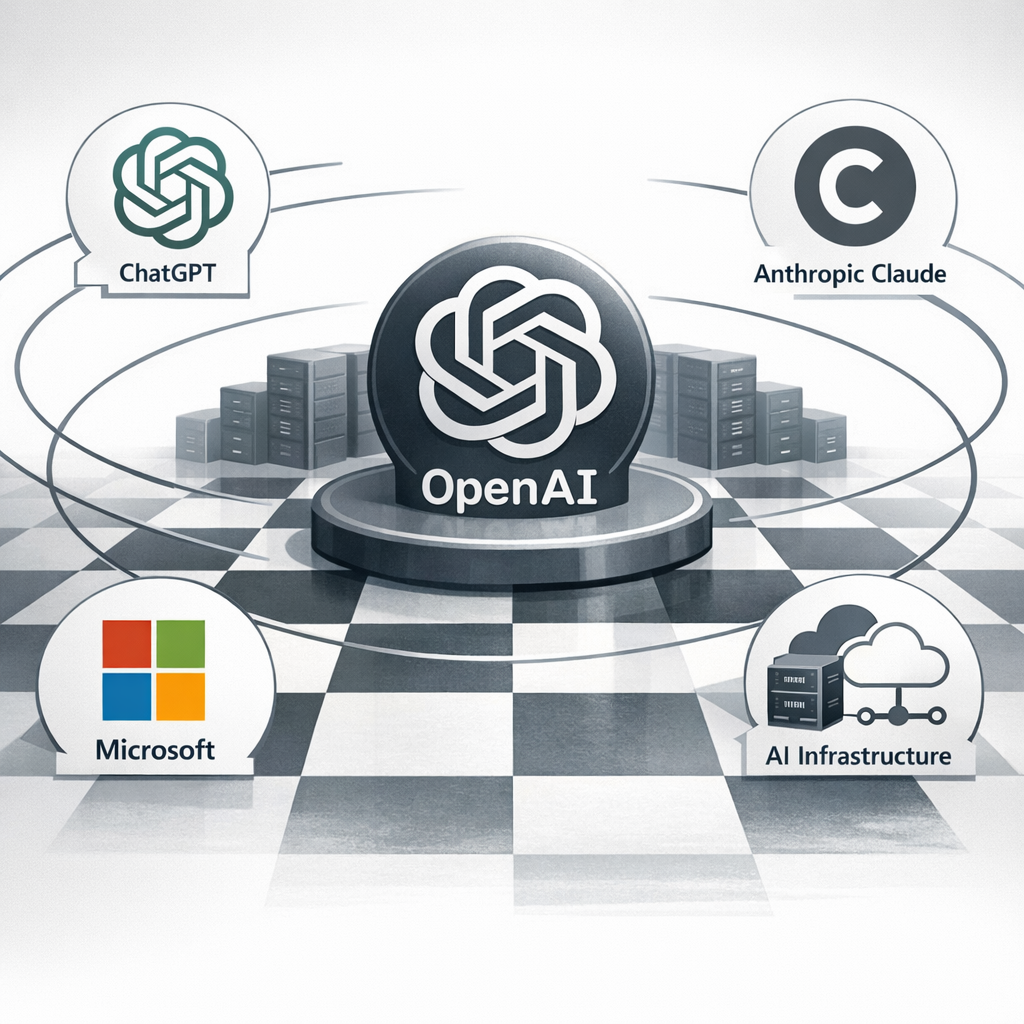
The Paradox of OpenAI’s Mission and Business Model
Why Trust Real Battleground OpenAI is at the center of this update. OpenAI was born with a bold promise: to ensure that artificial general intelligence (AGI) benefits all of humanity. Yet, in the race to dominate AI’s future, it now operates as a highly commercial entity intertwined with tech giants like Microsoft. This paradox between its foundational mission and current business imperatives raises a critical question: can OpenAI truly serve the public interest while pursuing profit and market power?
Why Trust Matters More Than Ever in AI
Trust is the fragile linchpin holding the AI industry together. Unlike traditional tech, AI’s influence spreads not just through devices but into decision-making, creativity, and even ethics. When OpenAI releases models that shape political narratives or affect personal data, the stakes extend beyond user experience—they become societal. Yet, skepticism surrounds how transparently OpenAI manages safety, bias, and accountability.
The Risk of AI Monopolies and Concentrated Power
The AI industry is rapidly concentrating power in the hands of a few companies with vast data, compute, and talent resources. OpenAI, with its privileged partnership with Microsoft and access to Nvidia’s cutting-edge chips, exemplifies this trend. This concentration raises uncomfortable questions: who ensures these gatekeepers act responsibly? Is there room for competition, or are we headed toward an AI monopoly that prioritizes profit over public good?
OpenAI’s Governance and the Trust Deficit
OpenAI’s unique hybrid structure—part nonprofit, part for-profit—was supposed to provide a governance model balancing innovation with responsibility. Yet critics argue that this setup lacks real public oversight and transparency. As OpenAI pushes toward AGI, the need for clear, democratic governance grows urgent. Without it, promises of ethical AI risk becoming mere marketing slogans.
Transparency and Accountability: More Than Buzzwords
The AI safety debate has often been reduced to PR campaigns. Genuine transparency means open information about model capabilities, limitations, and risks—not curated narratives. Accountability demands mechanisms to address harms, regulate misuse, and involve diverse stakeholders. OpenAI’s future success depends less on the sophistication of its models and more on its willingness to submit to meaningful scrutiny.
Can OpenAI Rebuild Trust and Define the Future of AI?
As AI’s impact permeates all facets of life, OpenAI stands at a crossroads. It can either become a trusted steward guiding this transformative technology with a commitment to public interest, or a commercial behemoth chasing growth while sidelining ethical concerns. The outcome matters not only for OpenAI but for the entire AI ecosystem and society at large.
We must ask ourselves: are we ready to entrust a handful of companies with the power to shape humanity’s future? Or is it time to demand broader governance, transparency, and a realignment of AI’s goals with societal values?
Related coverage: AI Chronicle analysis and updates.
Sources consulted
Why it matters
This update influences the AI race across model providers, infrastructure leaders, and enterprise adoption decisions.

Related Articles
 New Multi-Agent AI Training Framework Enhances Coordination for Complex Tasks
 Apple’s MacBook Neo Sets New Standard as Most Repairable Model in Over a Decade
 Groq Shifts Focus to AI Inference, Seeks $650 Million in Funding Following Nvidia Deal
 Google Faces Backlash as Gmail Uses User Emails to Train AI Models by Default