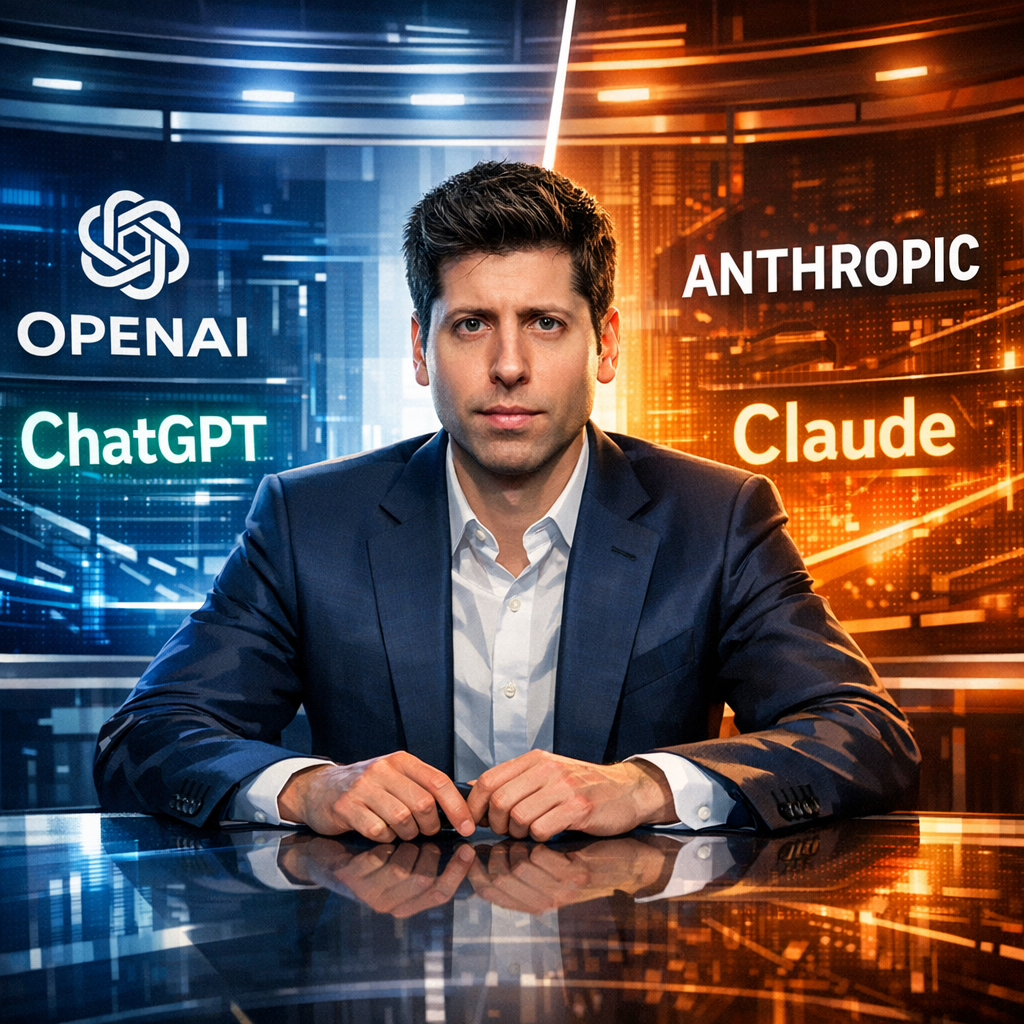
The Trust Deficit: OpenAI’s Most Pressing Challenge
Why OpenAI Trust Problem Biggest analysis is at the center of this update. OpenAI is no longer just an AI lab tinkering on the fringes of technology; it has become a dominant force shaping the future of artificial intelligence. Yet, despite its impressive innovations, the company wrestles with a paradox: how do you lead an industry built on radical transparency and ethical responsibility when your business model demands secrecy and control?
From Mission to Market: The Tension Within OpenAI
OpenAI started with a clear mission — to develop artificial general intelligence (AGI) beneficial to all humanity. But as the company partners closely with Microsoft and pursues aggressive commercialization strategies, this mission encounters friction. How can OpenAI reconcile its foundational commitment to openness with the realities of proprietary models, closed APIs, and competitive pressures? This tension isn’t theoretical — it feeds directly into public skepticism and regulatory scrutiny.
Trust and Transparency in the Age of AI
Trust isn’t just about accurate AI outputs or bug-free code; it encompasses transparency in governance, ethical accountability, and responsiveness to societal concerns. OpenAI’s recent controversies — ranging from opaque training data sources to handling of bias and misinformation — expose the fragile nature of trust in AI companies. Without robust transparency, can users, regulators, and society at large truly trust that AI systems will be safe and equitable?
Is OpenAI’s Business Model Sustainable Without Trust?
Some argue that the AI industry’s business models — heavily reliant on centralized control of data, compute power, and intellectual property — inherently conflict with the trust imperative. OpenAI’s lucrative partnership with Microsoft and rapid monetization of ChatGPT have propelled its dominance but also intensified questions about monopoly power and ethical dilution. Does the pursuit of profit risk undermining the public’s confidence just when AI’s impact on society is skyrocketing?
What Does OpenAI’s Trust Problem Mean for the AI Industry?
- Regulatory backlash: Governments may impose stricter rules if trust isn’t earned voluntarily.
- Fragmentation of AI development: Distrust could encourage fragmented ecosystems, slowing progress.
- Shift in leadership: Companies with stronger ethical reputations, like Anthropic, could gain ground.
- Public adoption hurdles: Users may resist AI tools perceived as opaque or risky.
Can OpenAI Build Trust Without Sacrificing Innovation?
OpenAI’s challenge is a microcosm of the broader AI trust crisis: innovation is urgent, but so is cautious stewardship. The company must pioneer new standards of transparency, accountability, and governance to align its ambition with public interest. This isn’t just corporate responsibility — it’s a strategic imperative. Without trust, even the most advanced AI risks becoming a dangerous gamble for society.
Ultimately, the future of artificial intelligence may hinge less on who builds the smartest model and more on who earns the public’s trust to deploy it safely and ethically.
Related coverage: AI Chronicle analysis and updates.
Sources consulted
Why it matters
This update influences the AI race across model providers, infrastructure leaders, and enterprise adoption decisions.

Related Articles
 How Nvidia’s Jensen Huang Became the Hidden Overlord of the AI Revolution
 Why Trust Is the Real Battleground for OpenAI and the Future of Artificial Intelligence
 Why Sam Altman’s Leadership Defines the New Power Dynamics in Artificial Intelligence
 Why Trust Is AI’s Biggest Challenge: OpenAI, Sam Altman, and the Future of Ethical AI Leadership