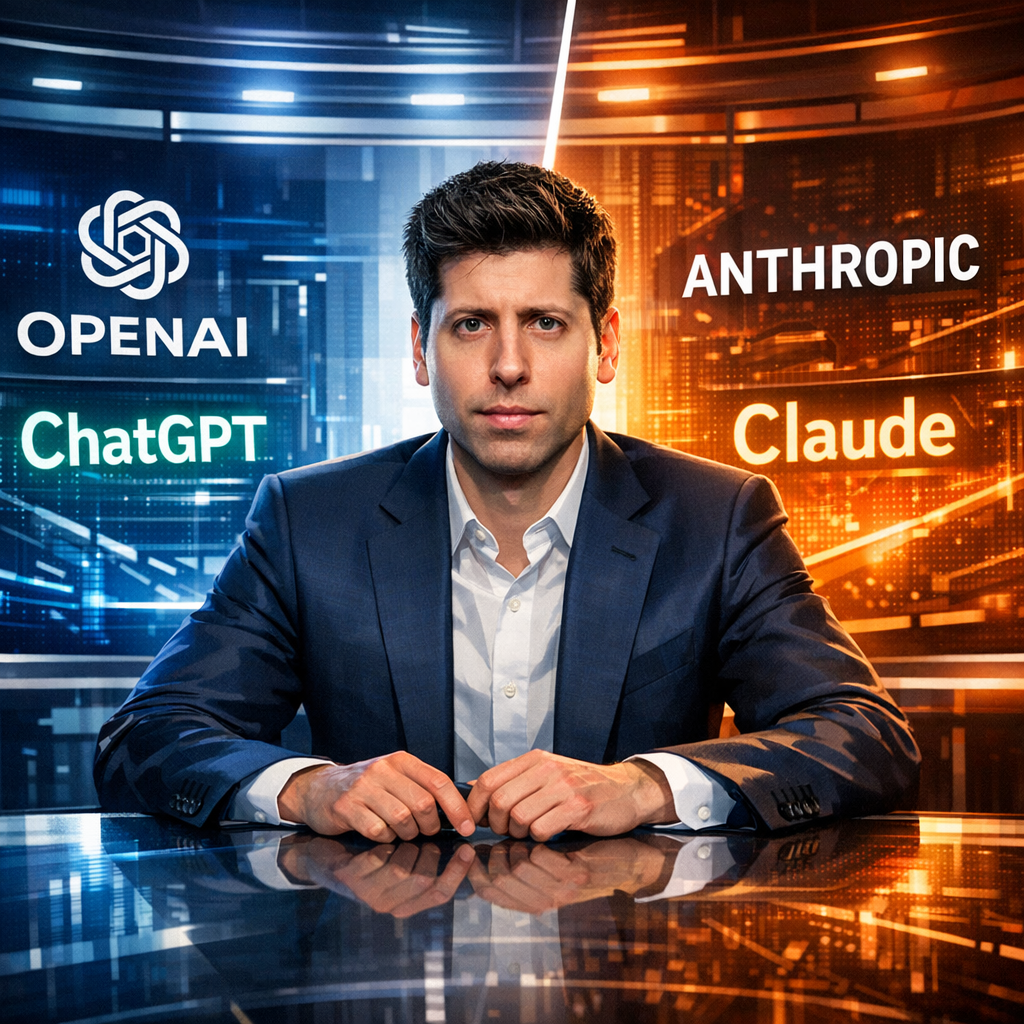
The Trust Deficit at the Heart of OpenAI’s AI Ambitions
Why OpenAI Struggle Trust Real is at the center of this update. OpenAI started as a bold experiment in artificial intelligence research with a mission to ensure that AI benefits all humanity. Today, it has morphed into an influential powerhouse shaping the future of AI, wielding immense power both technologically and economically. But this rise has sparked a troubling question: can OpenAI maintain public trust while balancing commercial interests and its founding ideals?
OpenAI’s Mission Versus Business Realities
OpenAI’s original promise was transparency and broad societal benefit. Yet, as it partners deeply with Microsoft, pursues aggressive monetization, and tightens control over its models, critics argue that it increasingly resembles a traditional tech giant prioritizing profit over mission. This tension is not merely theoretical—it influences how users, regulators, and competitors perceive the company.
Why Trust Matters More Than Ever in AI
AI systems like ChatGPT have become indispensable tools, but their opacity and immense influence raise ethical and safety concerns. Trust is a currency that OpenAI must earn not through marketing, but through demonstrable accountability, transparency, and responsible governance. Without it, fears of AI misuse, bias, or monopolistic control will only grow.
The Governance Gap in the Race for Artificial General Intelligence
OpenAI positions itself at the forefront of the AGI race—artificial general intelligence promises revolutionary capabilities but also existential risks. How OpenAI governs these powerful models and engages with public oversight will shape the future of AI for decades. Yet, the governance structures remain nascent and contested, exposing a governance gap that unsettles even supporters.
Is OpenAI’s Model Sustainable or a Warning Sign?
From a business standpoint, OpenAI’s partnership with Microsoft provides critical resources but may also entrench dependencies that limit openness and competition. Are we witnessing a new kind of AI monopoly disguised as a mission-driven lab? This is not just an OpenAI problem—it’s a microcosm of broader AI industry power dynamics accelerating unchecked concentration.
Moving Beyond Brand to Real Accountability
OpenAI’s biggest challenge is to prove that responsible AI is achievable at scale. This means more than releasing papers or ethical guidelines: it demands transparent impact assessments, independent audits, and meaningful public engagement. Without these, trust will erode, and the social license for AI innovation could unravel.
Conclusions: The Future of AI Depends on Trust, Not Just Technology
In my opinion, the race to build the most powerful AI systems will not be won by raw compute power or the flashiest product. It will be won by those who can align AI development with societal values and cultivate genuine trust. OpenAI’s journey is a cautionary tale—and an opportunity. How it navigates the tension between mission and market may very well define the future of artificial intelligence.
Related coverage: AI Chronicle analysis and updates.
Sources consulted
- https://openai.com/news/
- https://blogs.microsoft.com/
- https://www.reuters.com/technology/artificial-intelligence/
Why it matters
This update influences the AI race across model providers, infrastructure leaders, and enterprise adoption decisions.

 Meta to Launch Premium Subscription Tests on Instagram, Facebook, and WhatsApp
 Why Trust Is the Biggest Challenge Facing OpenAI and the Future of AI
 Megacampus Summit Dubai 2026: A Global Hub for AI Innovators and Visionaries