What happened
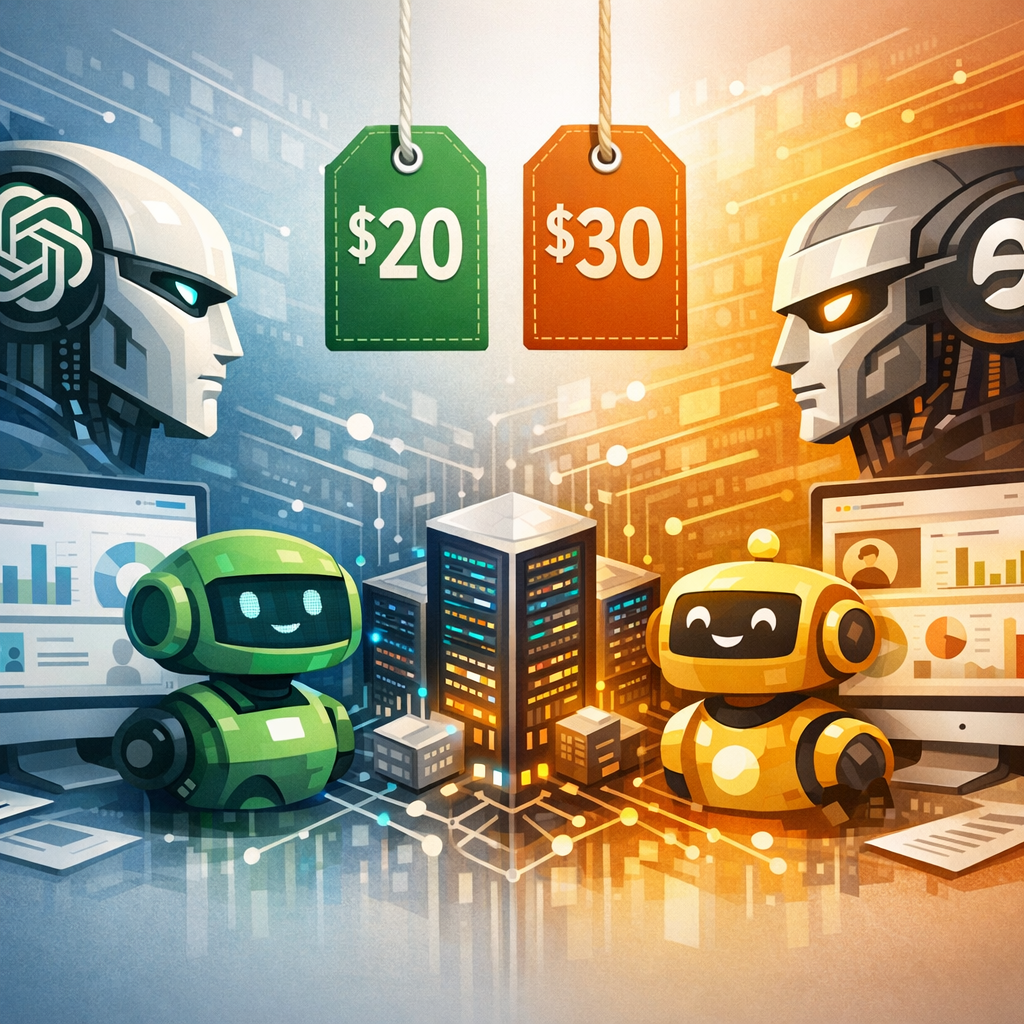
Uneven Landscape Boom Winners Strugglers is at the center of this update. As the artificial intelligence sector experiences rapid growth, significant disparities are emerging among companies, revealing a clear divide between leaders and laggards in the AI gold rush.
Introduction to the Current AI Boom
The artificial intelligence industry is undergoing a transformative boom, marked by intense competition and rapid innovation. However, beneath the excitement lies a growing concern about who truly benefits from this AI surge. Within the tech industry itself, the atmosphere is mixed, with clear winners and those struggling to keep pace.
Leading Forces in AI Development
At the forefront of AI progress are companies like OpenAI, Anthropic, xAI, and Google DeepMind. OpenAI, under the leadership of Sam Altman, continues to push the boundaries with ChatGPT and its vision for artificial general intelligence (AGI). Meanwhile, Anthropic, focusing on safety-first AI models with Claude, has positioned itself as a serious contender, appealing to enterprises prioritizing responsible AI deployment.
Elon Musk’s xAI and its Grok model represent another aggressive entrant, emphasizing integration with Musk’s broader technological ecosystem including Tesla and SpaceX. Google DeepMind advances with Gemini, focusing on competitiveness in AI-powered search and cloud services.
The Role of Infrastructure and Hardware
Nvidia plays a pivotal role in this AI gold rush by providing the essential chips and infrastructure that power models like ChatGPT, Claude, and Grok. The company’s GPUs and innovations such as Nvidia Blackwell are critical for the scalability and performance of AI applications.
Disparities and Challenges in the AI Ecosystem
Despite these advancements, the AI boom is not benefiting all players equally. Smaller startups and companies without access to substantial capital or cutting-edge hardware face significant hurdles. The high cost of training large AI models, energy demands, and the need for specialized talent create barriers that only a few can overcome.
Moreover, the competitive landscape is intensifying with power struggles between giants such as Microsoft and Google in AI platforms, and Meta’s push for open-source models through Llama challenging closed AI systems. This fragmentation is contributing to uneven access and adoption of the latest AI technologies.
Safety, Regulation, and Ethical Concerns
Besides business challenges, safety and ethical considerations are increasingly prominent. Companies like Anthropic emphasize AI safety to mitigate risks associated with powerful models. Meanwhile, regulatory bodies worldwide are debating frameworks to govern AI development and deployment, aiming to prevent misuse such as misinformation, deepfakes, and political manipulation.
The Future Outlook
As AI continues to evolve rapidly, the divide between the ‘haves’ and ‘have-nots’ in this gold rush is likely to deepen unless efforts are made to democratize access and ensure responsible innovation. The ongoing race for AGI highlights not only technological prowess but also strategic business models, infrastructure investments, and ethical stewardship.
Understanding these dynamics is essential to grasp the full picture of the AI revolution and its impact on industries, economies, and society at large.
Fonte: ver artigo original
Related coverage: AI Chronicle analysis and updates.
Why it matters
This update influences the AI race across model providers, infrastructure leaders, and enterprise adoption decisions.

Related Articles
 Microsoft CEO Satya Nadella Urges a New Perspective on AI as a Human Collaborator
 Goose Emerges as a Free Alternative to Claude Code’s Expensive AI Coding Service
 Claude Code Creator Unveils Revolutionary AI-Powered Coding Workflow, Sparking Developer Enthusiasm
 Anthropic’s Claude Fable 5 Surges Past OpenAI’s GPT-5.5 in Advanced Math Benchmark