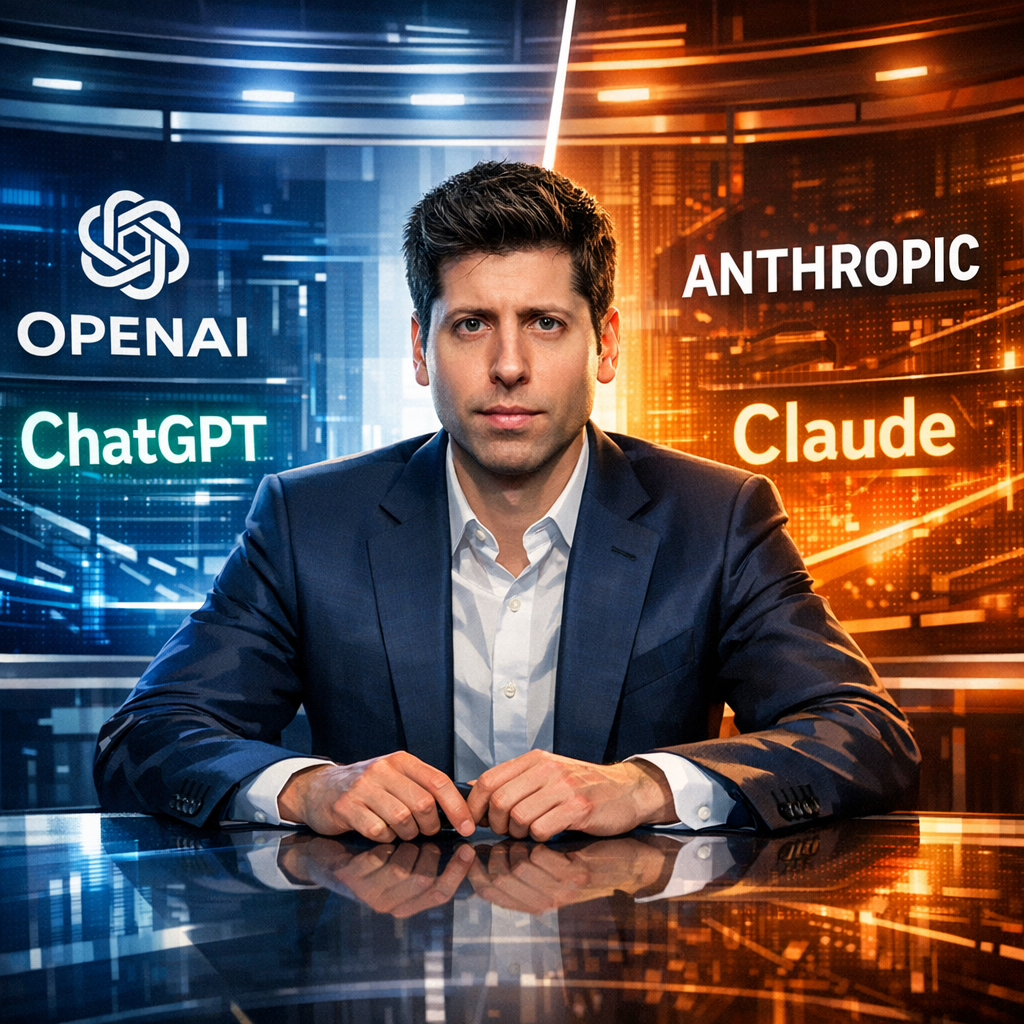
Trust: The Invisible Barrier in AI’s Race
Why Trust Biggest Challenge Facing is at the center of this update. OpenAI has transformed from a scrappy AI lab into a tech behemoth that powers much of today’s AI conversation and innovation. Yet, as its influence grows, so do the questions about trust: Can one company hold such power responsibly? Does OpenAI’s unique hybrid business model align with its mission? And how does trust—or the lack thereof—shape the future of artificial intelligence as a whole?
OpenAI’s Mission vs. Business Reality
OpenAI started with a bold promise: to develop artificial general intelligence (AGI) safely and broadly benefit humanity. But this mission collides with the realities of commercial pressures, partnerships with giants like Microsoft, and the race to monetize breakthroughs like ChatGPT. Is OpenAI drifting from its founding ideals, or is this evolution an inevitable step in scaling AI impact?
The Trust Deficit in AI Leadership
Sam Altman, OpenAI’s CEO, is hailed as one of the most visionary tech leaders today. Yet leadership in AI demands more than vision—it demands accountability, transparency, and ethical stewardship. Critics argue OpenAI’s opaque decision-making fuels skepticism. Without clear governance and public dialogue, how can the company build lasting trust?
Ethics, Safety, and Transparency: More Than Buzzwords
AI safety isn’t a checkbox or a marketing slogan—it’s a complex, ongoing responsibility. OpenAI’s safety-first narrative clashes with business imperatives and competitive secrecy. Transparency around model capabilities, data usage, and potential biases is crucial but often lacking. This secrecy challenges the broader AI community’s ability to hold leaders accountable.
The Concentration of AI Power and Its Consequences
OpenAI sits at a crossroads where AI innovation, infrastructure control, and market influence converge. This concentration risks creating gatekeepers who decide not only what AI technologies emerge but who benefits from them. Can the AI industry trust a handful of companies to steward a technology with potentially existential impact?
What Happens If Trust Fails?
If trust in OpenAI—and by extension, dominant AI players—erodes, the consequences extend beyond consumer skepticism. It could slow regulatory cooperation, invite harsher governmental crackdowns, and spark fragmented AI development silos worldwide. The AI revolution requires a foundation of trust that is robust, earned, and maintained.
Rebuilding Trust: A Path Forward
- Enhanced Transparency: Public disclosure of AI risks, development processes, and decision-making frameworks.
- Inclusive Governance: Engaging diverse stakeholders—from ethicists to civil society—in oversight roles.
- Aligning Profit with Purpose: Designing business models that prioritize safety and societal benefit alongside growth.
- Global Collaboration: Working across borders and companies to set norms and share safety research.
OpenAI’s journey is a microcosm of the AI industry’s broader challenge: how to wield unprecedented technological power without sacrificing public trust. This isn’t just about a company or a product; it’s about shaping a future where AI empowers humanity without undermining the social fabric.
As the AI race accelerates, asking hard questions about trust today is the only way to ensure AI delivers on its promise tomorrow.
Related coverage: AI Chronicle analysis and updates.
Sources consulted
- https://openai.com/news/
- https://blogs.microsoft.com/
- https://www.reuters.com/technology/artificial-intelligence/
Why it matters
This update influences the AI race across model providers, infrastructure leaders, and enterprise adoption decisions.

 Why Trust Is OpenAI’s Biggest Challenge in the Race for Artificial Intelligence Power
 Royal Navy Deploys AI Avatar ‘Atlas’ to Streamline Recruitment Process for Submariners
 OpenAI Is Becoming More Than a ChatGPT Company