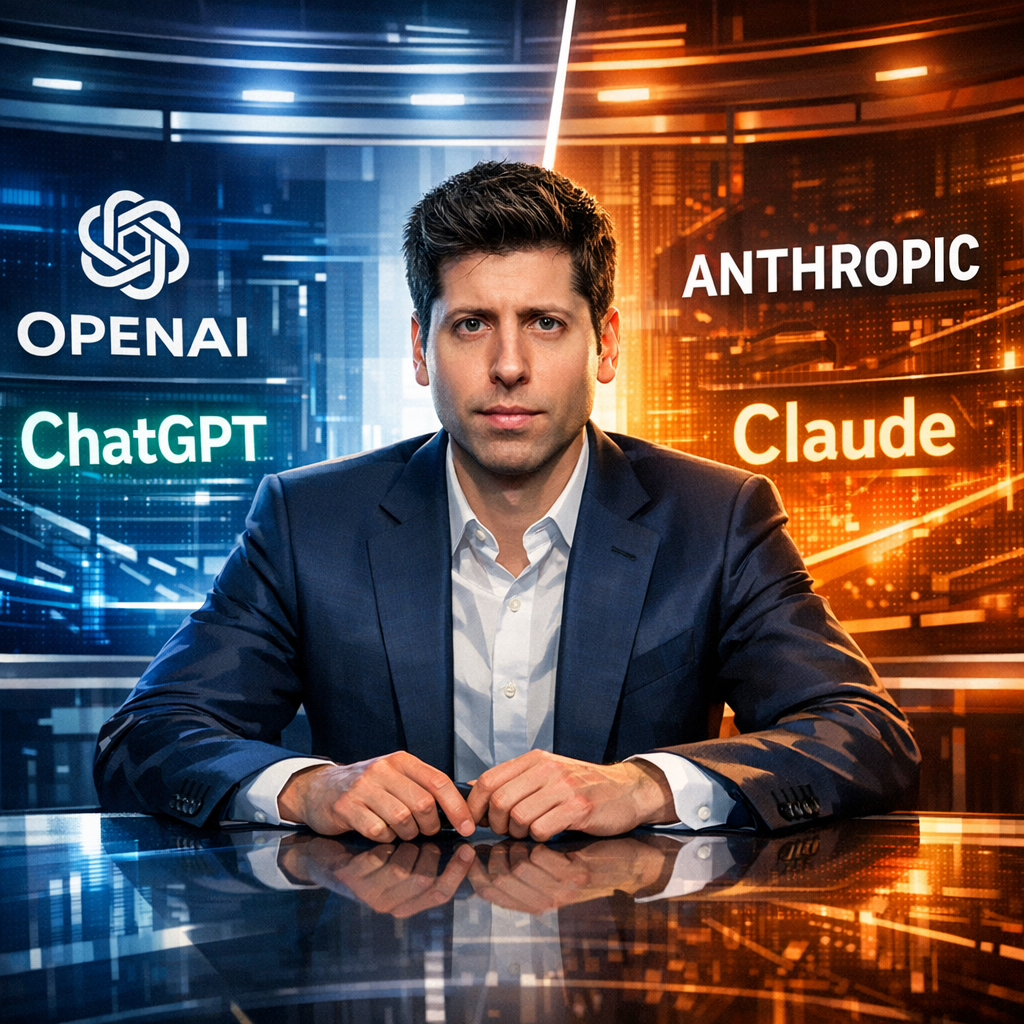
OpenAI’s meteoric rise: innovation or myth?
Why OpenAI Quest Trust Real is at the center of this update. OpenAI has reshaped the artificial intelligence landscape with groundbreaking models like ChatGPT, capturing global attention and investment. Yet, as the company’s influence grows, so does the scrutiny. Is OpenAI truly the benevolent AI lab it once promised to be, or has it become just another tech giant chasing growth and control?
The tension between mission and market
OpenAI’s original charter emphasized democratizing AI for the public good, but recent moves suggest a more complex reality. Aligning a mission-driven vision with a profit-driven business model creates inherent conflicts. How can OpenAI balance openness with competitive advantage? And who benefits when access and transparency become secondary?
Trust vs. business strategy
Trust isn’t just a buzzword—it’s the currency AI companies desperately need as they shape tools that influence society. OpenAI’s partnerships, notably with Microsoft, bring resources but also raise questions about autonomy and agenda. Are these alliances strengthening innovation or consolidating power in ways that warrant skepticism?
The AI safety and ethics crossroads
OpenAI champions AI safety publicly, yet critics argue that safety can become a marketing shield rather than a genuine commitment. How do we separate authentic ethical efforts from strategic branding? What happens when rapid innovation pressures out caution, potentially accelerating risks instead of mitigating them?
Why transparency matters more than ever
Transparency is critical for accountability in AI’s fast-moving landscape. Yet, OpenAI’s increasingly closed approach to model details and training data feeds distrust. Can a company that controls some of the world’s most powerful AI models truly serve the public interest without radical openness?
The challenge for regulators and society
Governments lag behind in regulating AI, leaving OpenAI and peers to self-govern. Is this sustainable? Who holds AI companies accountable if not the public and regulators? The future of AI trust depends on broad stakeholder engagement, not just corporate good will.
Conclusion: The future of AI depends on trust, not just technology
OpenAI’s technical breakthroughs are impressive, but their lasting impact hinges on trustworthiness. Without it, even the most advanced AI risks alienating users and stalling progress. The big question remains: can OpenAI align its power with responsibility before trust erodes beyond repair?
Related coverage: AI Chronicle analysis and updates.
Sources consulted
- https://openai.com/news/
- https://blogs.microsoft.com/
- https://www.reuters.com/technology/artificial-intelligence/
Why it matters
This update influences the AI race across model providers, infrastructure leaders, and enterprise adoption decisions.

Related Articles
 # TITLE: How AI-Generated Friends and Partners Will Transform Human Relationships
 How NVIDIA’s AI Monopoly Threatens Innovation and Concentrates Power
 Spotify Launches AI-Powered Remix Tool Targeted at Superfans Amid Industry Debate
 Unlock Scalable and Cost-Effective Video Creation with Synthesia’s AI-Powered Avatars