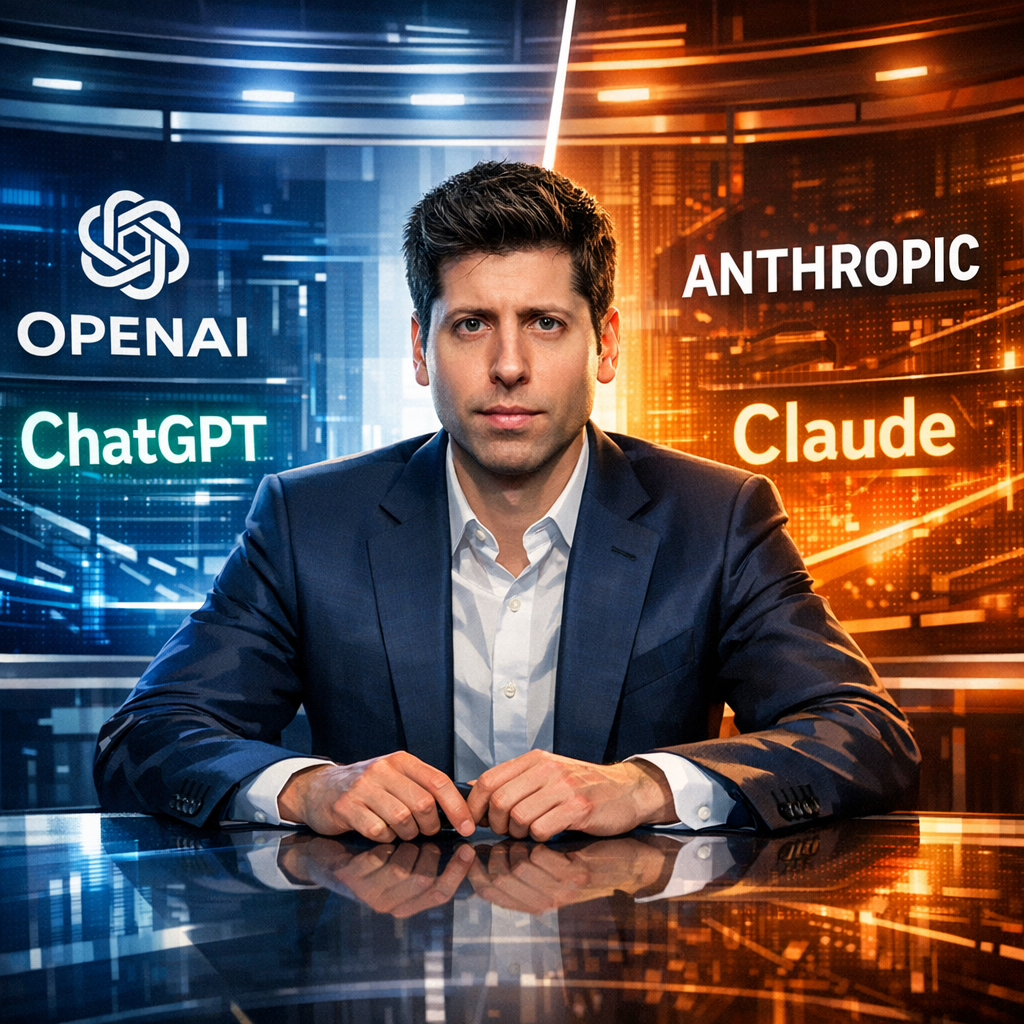
The Paradox of Power: OpenAI’s Rise and the Trust Question
Why OpenAI Trust Deficit Biggest is at the center of this update. OpenAI stormed into the AI scene with a promise: to democratize artificial intelligence in a way that benefits all. Yet, as its influence mushroomed and partnerships with tech giants deepened, a troubling paradox emerged. The very company championing AI’s potential now faces its biggest challenge—not technical innovation, but regaining public trust.
OpenAI’s Mission vs. Business Reality
From the outset, OpenAI positioned itself as a mission-driven lab focused on safe and ethical AI development. But the shift to a capped-profit model, heavy reliance on exclusive partnerships, and increasing opacity about its decision-making processes have muddied this narrative. Can a company straddling a public mission and private profits truly maintain credibility?
The Trust Deficit: More Than Just a PR Problem
Trust in AI companies isn’t merely about good public relations—it’s foundational to adoption and impact. The skepticism surrounding OpenAI stems from concerns over transparency, accountability, and power concentration. When one company controls access to foundational AI models, questions about bias, misuse, and monopolistic behaviors come to the fore.
Why Trust Is the Real Competitive Edge
While tech rivals race to outdo one another in raw compute power and model sophistication, the ultimate differentiator may be who can build and maintain trust at scale. Safety-first competitors like Anthropic have turned ethical rigor into strategic advantage, highlighting that trustworthiness can no longer be an afterthought but a core business imperative.
OpenAI’s Path Forward: Rebuilding Trust Amidst Scrutiny
- Increased Transparency: Open disclosures about model limitations, training data, and governance structures are essential.
- Public Accountability: Engaging regulators, independent auditors, and the broader community in oversight.
- Balancing Innovation with Ethics: Prioritizing safety research over commercial pressures to avoid short-term gains that could erode trust.
Conclusion: The High Stakes of AI Trust
OpenAI’s journey is emblematic of the broader AI industry’s struggle between innovation and ethical responsibility. Without addressing the trust deficit, the risk is clear: public backlash, regulatory clampdowns, and a fractured AI ecosystem that undermines the technology’s transformative potential. The future of AI isn’t just about who leads in technology—it’s who leads in trust.
Related coverage: AI Chronicle analysis and updates.
Sources consulted
- https://openai.com/news/
- https://www.anthropic.com/news
- https://www.reuters.com/technology/artificial-intelligence/
Why it matters
This update influences the AI race across model providers, infrastructure leaders, and enterprise adoption decisions.

Related Articles
 Perplexity’s Comet Assistant Debuts on Android: A Promising Yet Cautious Step Forward in AI Assistants
 How Sam Altman’s Quiet Power Shift Is Reshaping the AI Industry and Global Governance
 The Hidden Power Play Behind OpenAI and the Future of AGI
 OpenAI Secures $122 Billion Funding and Launches ChatGPT Super App, Shifting Focus to Enterprise Solutions