The Rise of AI CEOs: More Than Just Tech Visionaries
In the rapidly evolving world of artificial intelligence, CEOs such as Sam Altman and Jensen Huang have transcended their traditional roles. They are not just driving innovation—they are dictating the rules of engagement, controlling critical infrastructure, and influencing policies that affect billions. Is this concentration of power a natural evolution or a looming crisis?
Power Concentration in the AI Industry: A Dangerous Monopoly?
The AI industry’s power hubs are startling. Companies like NVIDIA, through hardware dominance, and OpenAI, via platform control, have amassed unprecedented influence. This concentration stifles competition, slows innovation, and raises ethical questions. Can true AI safety and transparency thrive under such monopolistic control?
Closed Models vs. Open Source: Innovation at Stake
Closed AI models, guarded closely by corporations, limit collaboration and scrutiny, while open source AI struggles to keep pace. The battle between these paradigms isn’t just technical; it’s ideological. Should innovation be democratized or driven by elite entities?
Ethics, Safety, and Profit: Contradictory Forces?
The AI safety debate is increasingly entangled with branding and profit motives. Big tech’s reluctance to embrace robust safety measures suggests a conflict between public good and shareholder value. Are AI companies prioritizing ethical responsibility, or merely using safety as a marketing shield?
Governance and Regulation: Who Holds the Pen?
Regulatory frameworks for AI are often crafted by the very companies they aim to oversee, raising questions about accountability and bias. Is effective AI governance possible when governments are losing the AI race to private corporations?
AI CEOs as Political Actors
Today’s AI leaders are reshaping political influence, arguably replacing traditional politicians in global debates on technology and society. This shift poses uncomfortable questions: How much control should unelected tech executives wield? Are we witnessing the rise of a new form of technocratic power?
Conclusion: Challenging the Myth of Benevolent AI Leadership
It’s tempting to view AI CEOs as innovators working for humanity’s benefit. Yet, the reality is complex. Power concentration, ethical ambiguity, and regulatory challenges hint at a future where technology is molded less by democratic ideals and more by corporate strategy. The question is no longer about innovation but control—who will decide the fate of AI and, by extension, society itself?

Related Articles
 Microsoft, NVIDIA, and Anthropic Establish Strategic AI Compute Alliance to Transform Cloud Infrastructure
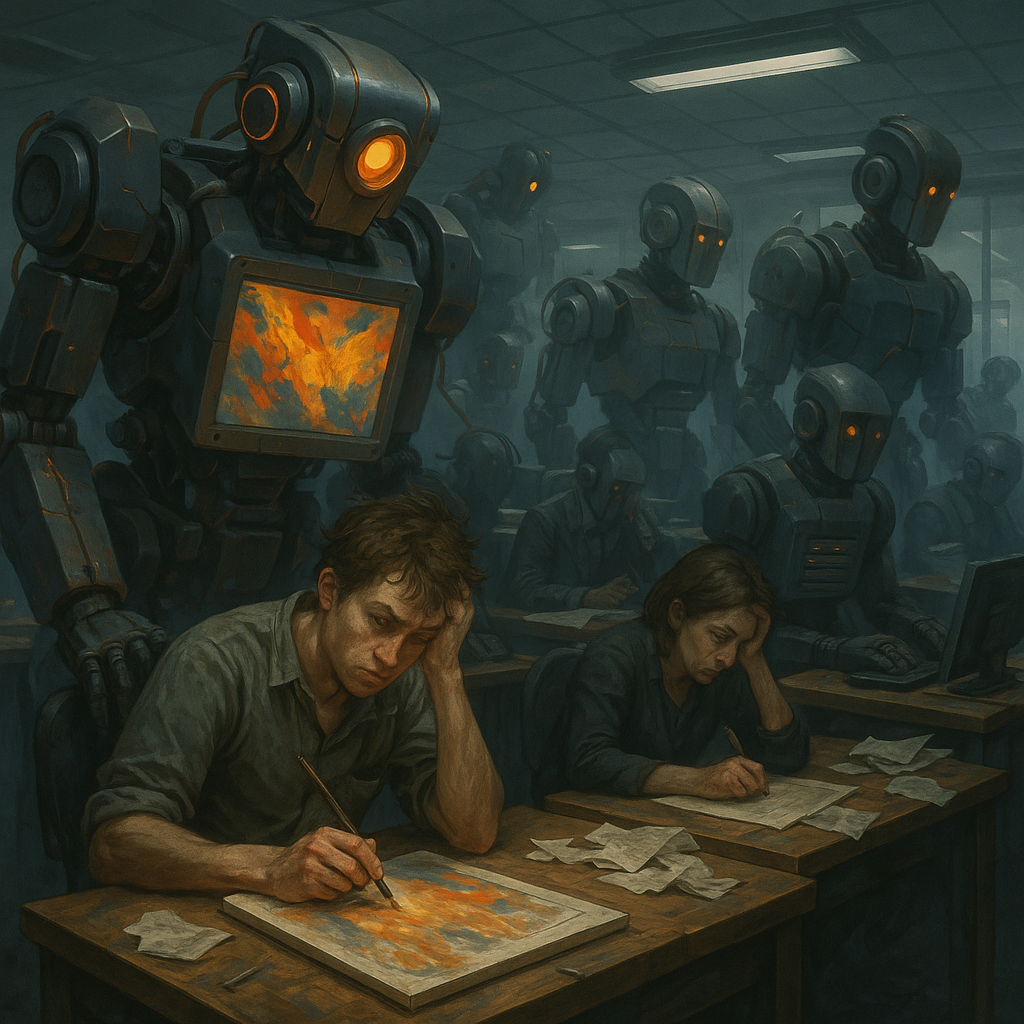 The Real Threat Behind AI: How Automation Is Quietly Killing Creativity and Jobs
 A Verdade Incômoda Sobre o Futuro do Trabalho na Era da Automação e IA
 Meta Expands Solar Power Capacity by 650 MW to Support AI Infrastructure