The Automation Revolution: Blessing or Curse?
AI’s march into workplaces and creative fields isn’t just about making tasks easier; it’s fundamentally redefining what it means to be productive—and human. While companies celebrate efficiency gains, we must ask: what exactly are we losing in return? The seductive allure of automation masks deeper disruptions to creativity, jobs, and social fabric.
Why AI-Driven Automation Threatens Creative Professions
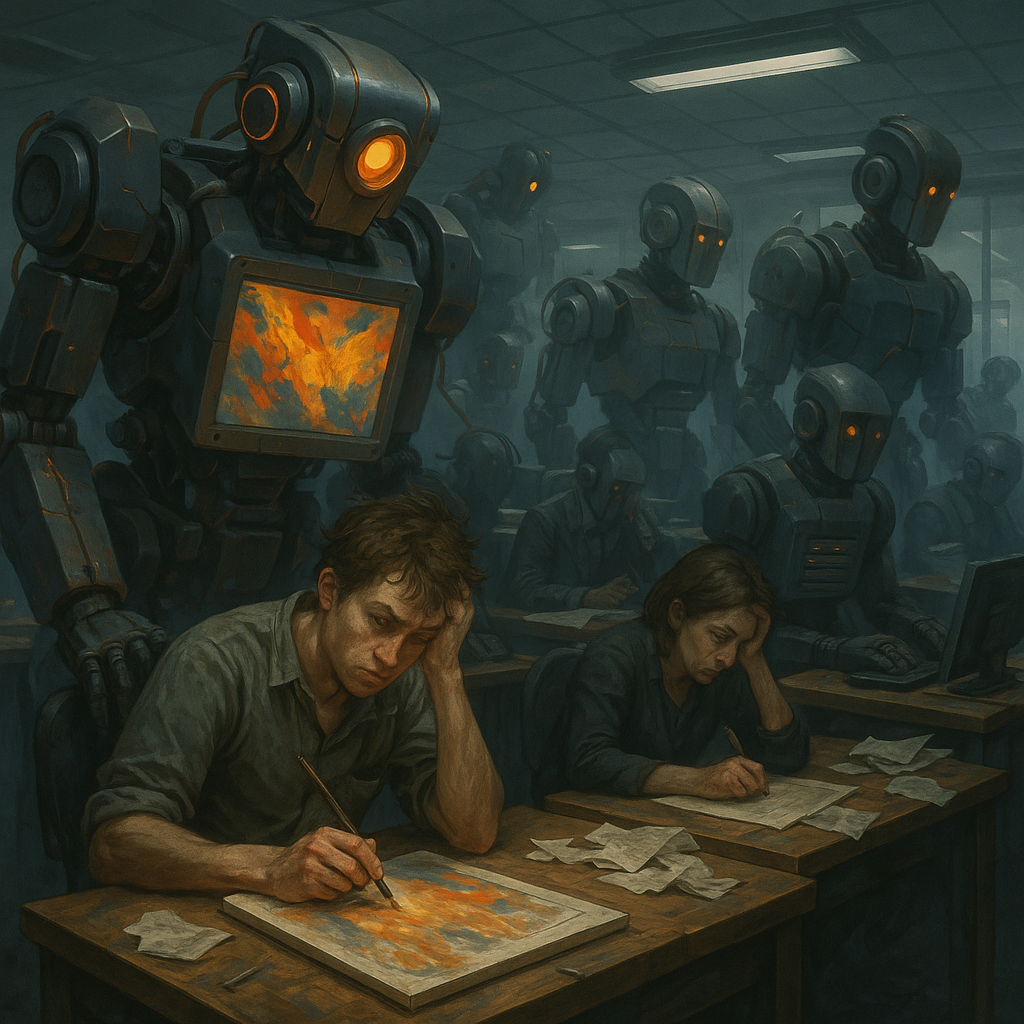
There’s a widespread myth that AI will complement human creativity, freeing artists and writers from mundane tasks. But the reality is far more complex. Machine learning models and generative AI tools are increasingly able to produce content indistinguishable from human work—sometimes faster, cheaper, and without fatigue. This challenges the very value of traditional creative roles.
- Devaluation of originality: AI-generated content floods markets, saturating demand and driving down compensation for human creators.
- Homogenization of ideas: Algorithms trained on massive datasets tend to reproduce existing patterns, stifling true innovation and diverse perspectives.
- Job displacement risks: From journalism to design, entire sectors face restructuring, with many positions becoming obsolete.
The Illusion of Human Uniqueness in an AI Era
We like to think of creativity as an exclusively human trait, but AI forces us to confront uncomfortable questions. If machines can write novels, compose music, or generate art, what remains uniquely ours? I argue this is a pivotal moment demanding a radical rethink of how we define human value beyond output—focusing on empathy, ethics, and critical thinking.
Can AI Ethics Save Us or Is It Too Late?
Ethical guidelines and regulation lag behind the technology’s rapid evolution. The power concentration in big tech companies controlling AI models exacerbates risks of bias, manipulation, and privacy erosion. Without transparent governance, AI’s impact on creativity and employment could deepen social inequalities rather than alleviate them.
What CEOs and Big Tech Aren’t Telling You
Executives at leading AI firms often speak of democratizing creativity and empowering workers. Yet behind closed doors, the race for market dominance prioritizes scalable automation over human well-being. The real competition is not innovation for society’s benefit, but control over data, models, and the future workforce.
The Path Forward: Questioning the AI Hype
It’s tempting to buy into the hype that AI will create new jobs and opportunities to replace those lost. But history warns us that technological revolutions typically displace more than they create—especially in the short term. We must demand policies that protect workers, support creative freedom, and ensure AI serves humanity rather than replacing it.
Provocative Questions to Consider
- Are we accelerating the demise of creative professions without preparing alternatives?
- How much of our identity are we willing to outsource to machines?
- Will AI deepen inequality by concentrating power among those who control data and algorithms?
- Can regulation keep pace with the ethical challenges AI poses, or is it just political theater?
Conclusion: Embrace AI, But Not at the Cost of Human Essence
AI holds enormous potential to augment human capabilities, but the blind embrace of automation risks destroying the diversity, originality, and social fabric that define us. The question isn’t whether AI will transform work and creativity—it will. The real question is: will we let algorithms dictate the future of our humanity?

Related Articles
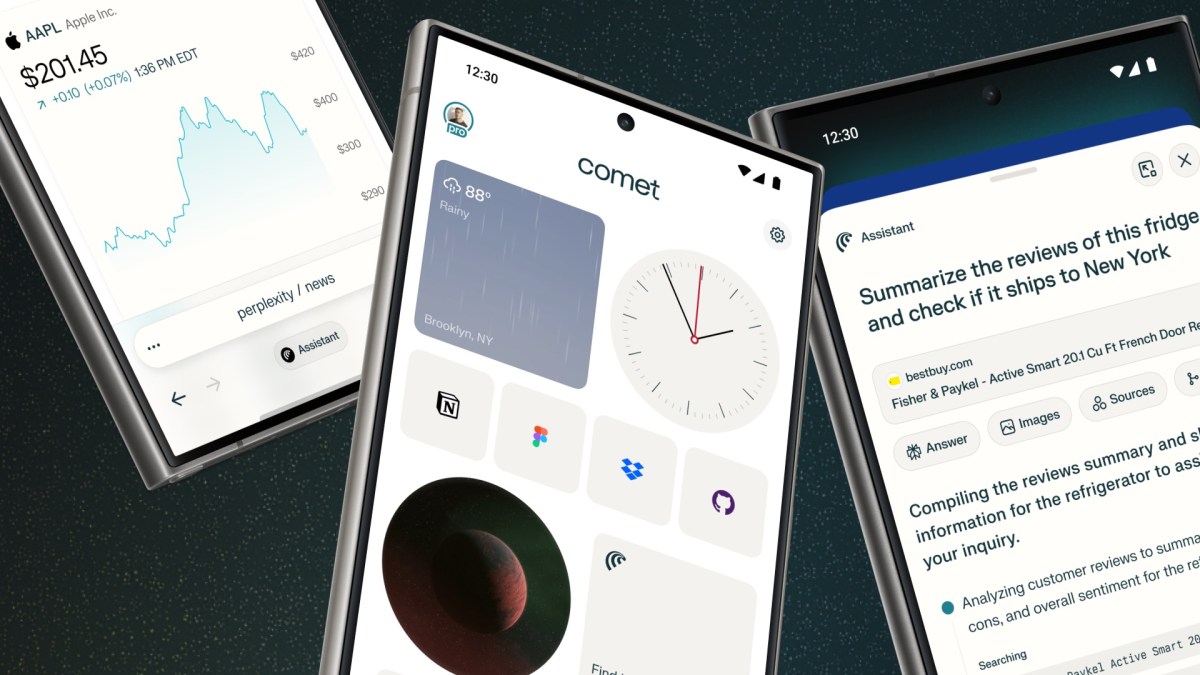 Perplexity Expands AI Browser Comet to Android, Plans iOS Release
 Business Risks of AI Web Search Highlight Urgent Need for Accuracy and Oversight
 U.S. Department of Energy Restructures, Prioritizes Fusion Over Renewables Amid Legal Concerns
 New Multi-Agent AI Training Framework Enhances Coordination on Complex Tasks