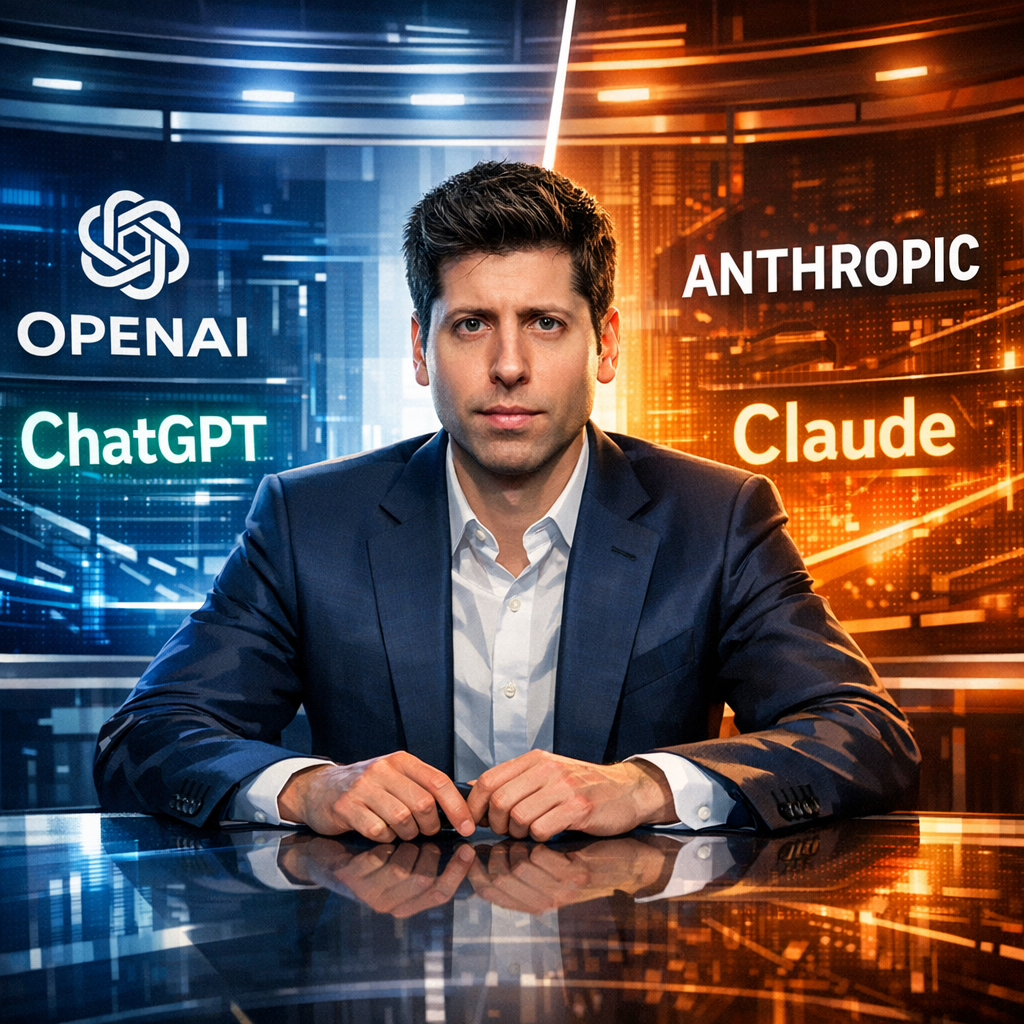
The Hidden Power Struggle Behind AI’s Explosive Growth
Artificial Intelligence is no longer just a technological breakthrough—it’s a geopolitical and economic battleground. But amid the AI boom, a critical issue is being overlooked: the leadership crisis at the heart of the AI industry. Why does it feel like the future of AI is decided by a handful of CEOs rather than broad innovation or ethical considerations?
Why Power Concentration in AI Is a Warning Sign
Look no further than the influence of figures like Sam Altman, Jensen Huang, and Elon Musk. These leaders and their companies control key AI research, hardware like GPUs, and models that shape what AI can and cannot do. Instead of a thriving ecosystem of competitors, we see a dangerous monopoly where control over AI chips, data, and talent is tightly held.
Is the AI Race About Innovation or Control?
Contrary to the popular narrative of an innovation race, the real contest is about who governs AI’s trajectory. Closed AI models and proprietary research dominate, stifling open source efforts that once promised democratization. This raises uncomfortable questions: Are startups dying not because of lack of talent but because they cannot compete with corporate giants? Is the AI boom sustainable or merely a market bubble inflated by hype and concentrated power?
The Ethical Vacuum: AI Safety or Profit Maximization?
The AI safety debate has morphed into a branding war. Big tech companies publicly champion ethics and safety while quietly prioritizing market dominance and profit. This duality fuels skepticism about AI’s role in society. Who can be trusted to design AI systems that align with human values when the creators have conflicting interests?
What Does This Mean for Society and Democracy?
As AI CEOs increasingly shape not just technology but policy and society, we must ask: Are we witnessing the rise of a new class of power brokers who bypass traditional democratic checks and balances? The technology that promises to improve lives risks becoming a tool for exacerbating inequality, misinformation, and control.
Can Open Source AI Save Us?
Open source AI remains the last line of defense against monopolistic control. Yet it struggles against resource constraints and regulatory challenges. Without genuine support for openness and transparency, we risk surrendering AI’s future to opaque corporate empires.
Conclusion: Time to Rethink AI Leadership
The AI leadership crisis is not a distant concern—it’s happening now. If we want AI to serve humanity rather than corporate interests, we must rethink who holds power, how innovation is fostered, and what ethical standards govern this transformative technology. Otherwise, we may soon find that the future of AI—and society—has been decided behind closed doors.

Related Articles
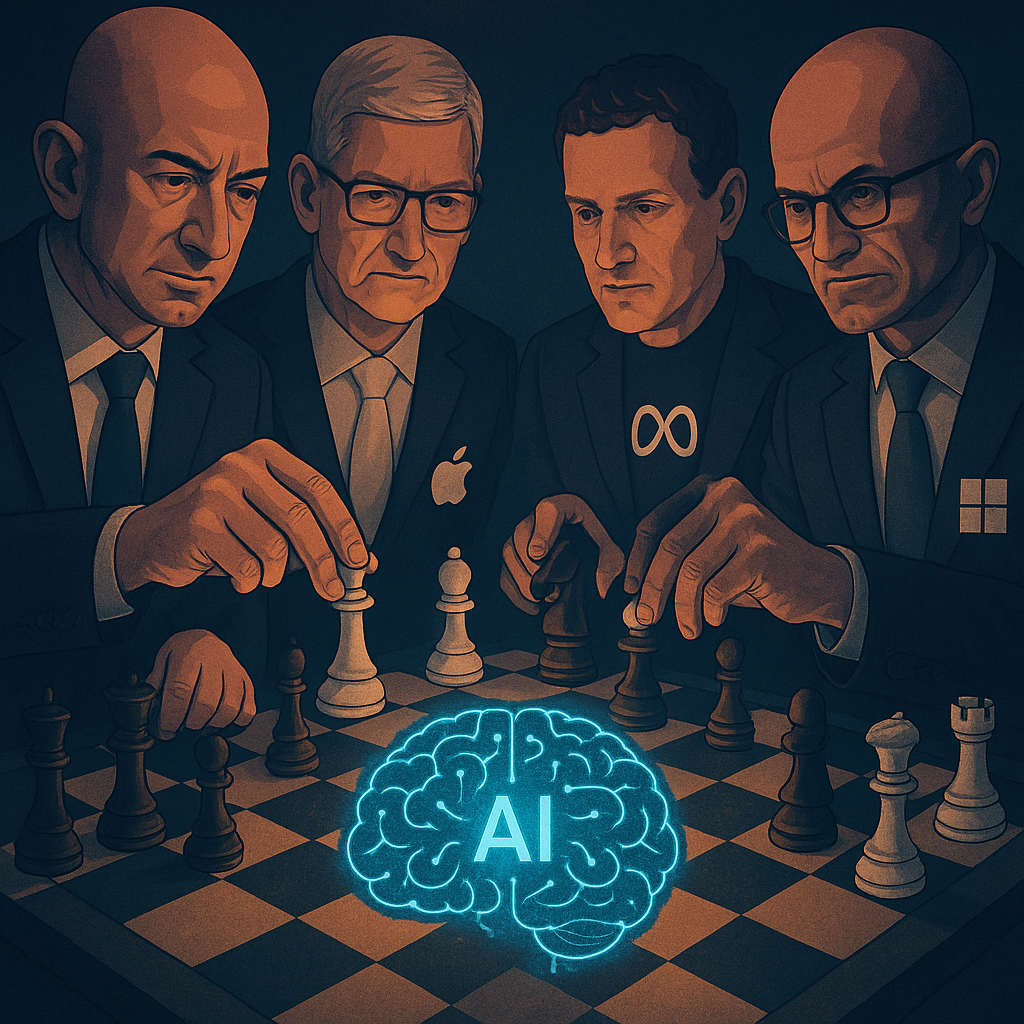 The Silent War for AI Dominance: How CEOs Are Prioritizing Power Over Innovation
 Sam Altman’s Trust Dilemma Is the Real AI Race Bottleneck
 Sam Altman’s Dual Role: Champion of AI Progress and Architect of Its Power Concentration
 # TITLE: Understanding Bias in AI: Why Fairness and Accountability Must Be Prioritized