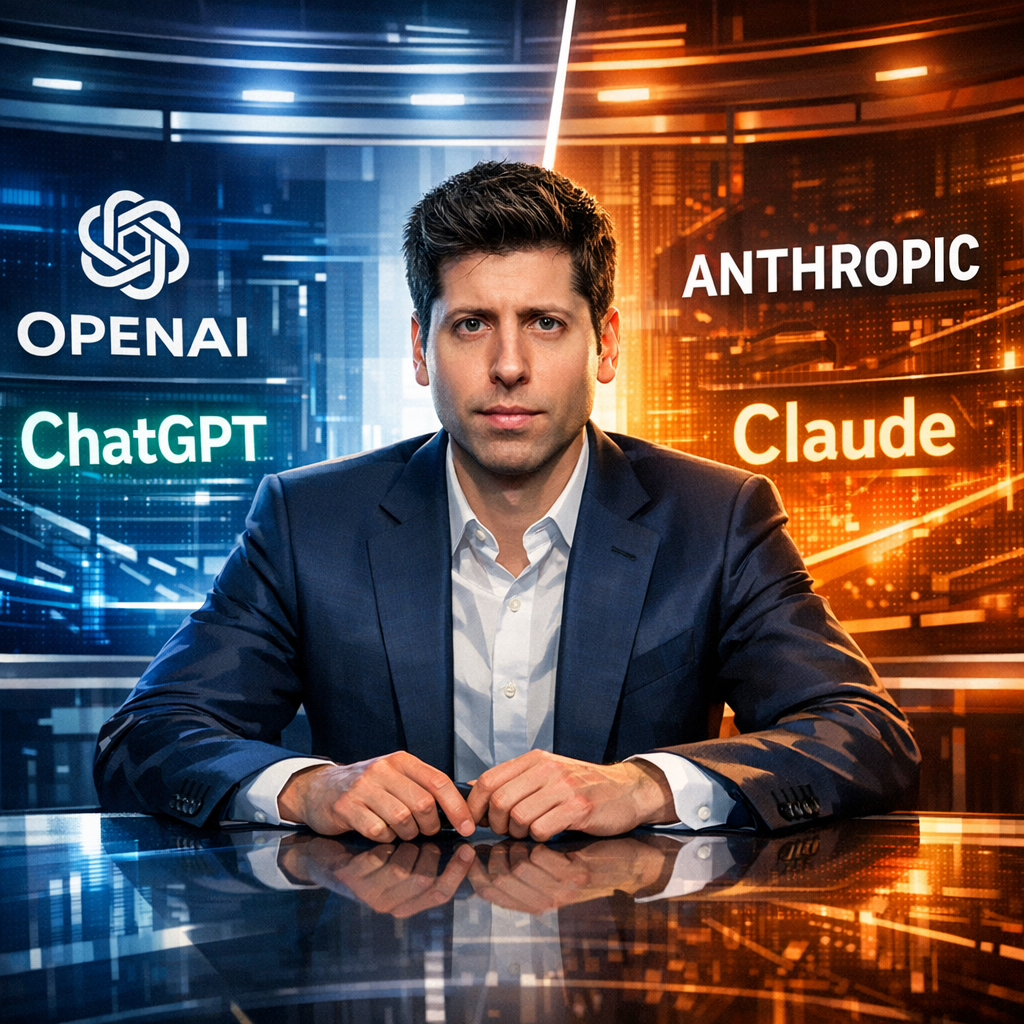
The Rise of AI CEOs as Unseen Power Brokers
Artificial intelligence isn’t just about algorithms and data anymore; it’s about power—political, social, and economic. And behind the scenes, CEOs like Sam Altman are quietly becoming some of the most powerful figures shaping our world. But what does this concentration of influence mean for innovation, ethics, and democracy? Are we comfortable letting a few tech titans write the rules for a technology that will affect billions?
Sam Altman: Master of Influence or Gatekeeper of AI?
Sam Altman, once a startup wunderkind, now commands an extraordinary role in the AI industry. His leadership at OpenAI places him at the nexus of AI progress and governance. But is OpenAI truly the open, benevolent institution it claims to be? Critics argue that the company’s pivot towards closed models and profit-driven motives suggests otherwise. Altman isn’t just running a tech company; he’s curating the future of AI.
Why Leadership in AI Is in Crisis
The AI industry faces a leadership crisis as a handful of CEOs consolidate control over crucial technologies and talent. Instead of fostering open competition and innovation, this concentration risks stifling breakthroughs and ethical accountability. When companies prioritize market dominance over safety, who holds them responsible? The problem intensifies as these CEOs influence policy debates and regulatory frameworks, often writing rules that protect their own interests.
The Dark Side of AI Monopoly and Control
Consider NVIDIA’s Jensen Huang, who controls the supply of indispensable AI hardware, effectively holding the keys to AI acceleration. Combine that with the dominance of certain AI labs, and you have a market where competition is illusory, and innovation slows as power concentrates. This monopolistic power raises critical questions: Is the promise of AI progress compromised by corporate interests? Are we trading ethical safeguards for competitive advantage?
Big Tech’s Struggle Between AI Safety and Profit
There’s an uncomfortable tension between AI safety and profit. Big tech companies publicly champion AI ethics but simultaneously engage in an arms race for market share and control. This contradiction is not accidental; it’s systemic. Brands use “AI safety” as a marketing tool while resisting meaningful regulation that could limit their growth. This paradox leaves society vulnerable as the pace of AI progress outstrips our ethical frameworks.
Challenging the Status Quo: Is Open Source AI the Last Defense?
In the face of centralized AI power, open source AI communities argue they are the last line of defense for transparency, innovation, and democratic oversight. Closed AI models controlled by a few corporations threaten to limit access and impede innovation. But is open source AI realistic in a market driven by billion-dollar investments and regulatory capture? This debate is far from settled, and its outcome will shape the AI landscape for decades.
Conclusion: Who Really Holds the Future of AI?
CEOs like Sam Altman have moved beyond traditional leadership roles—they are architects of societal transformation through AI. Yet, the concentration of AI power poses challenges to innovation, ethics, and democratic governance. Are we prepared to confront these uncomfortable truths, or will we passively accept a future written by a tech elite? The AI race is no longer just about technology; it’s about who controls the future.

 Is the Rise of AI Agents Threatening Human Creativity and Jobs?
 Apple Plans Major AI Chatbot Overhaul for Siri Next Year
 How AI Power Concentration Threatens Innovation and Society
 Meta Introduces AI-Powered Animated Profile Pictures on Facebook