Is AI the End of Creativity as We Know It?
The promise of artificial intelligence has dazzled the world with ideas of automation, innovation, and unleashing human potential. Yet, lurking beneath this shiny surface is a stark reality few want to confront: AI is dismantling the creative professions that once defined human ingenuity. But has anyone stopped to ask what this really means for artists, writers, designers, and creators?
AI-Driven Creativity: A Threat or an Evolution?
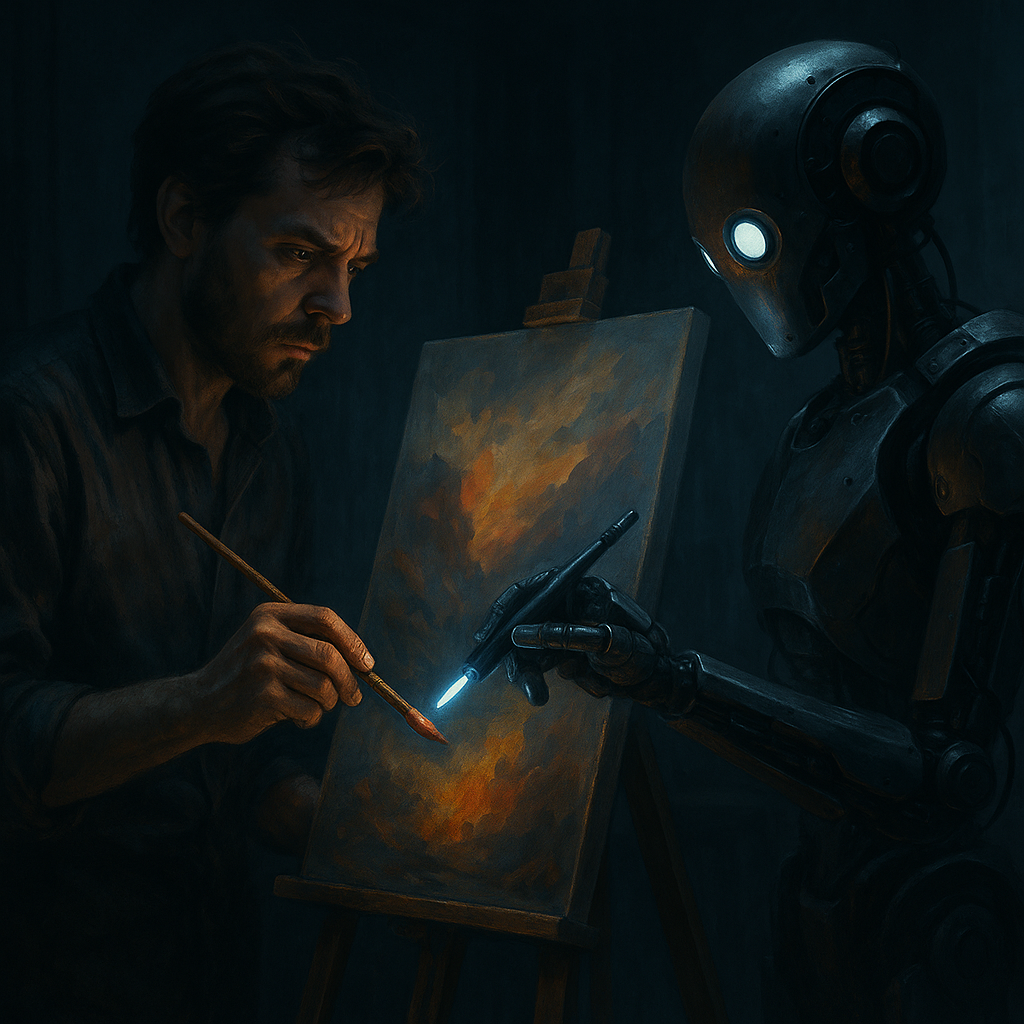
Today’s generative AI models can produce paintings, write articles, compose music, and even generate scripts—all at astonishing speeds. These tools, powered by deep learning and huge language models, are not just assistants anymore; they’re becoming creators themselves. If a machine can mimic your style or generate viral content overnight, what is left for the human creative?
This question is more than philosophical. It challenges the core of creative labor’s value in a market increasingly flooded with AI-generated output. The ease and scalability of AI content creation devalue human effort and blur ownership and authenticity. Are we ready to accept a world where creativity is commodified and mass-produced by algorithms?
The Automation of Art: Convenience at What Cost?
- Loss of originality: AI models rely on existing data—replicating trends rather than inventing new ones.
- Job displacement: Freelance artists, copywriters, and designers face shrinking opportunities as companies opt for cheaper, faster AI solutions.
- Ethical dilemmas: The use of copyrighted material to train AI stirs debates on intellectual property and fair compensation.
- Homogenization of culture: Mass-produced AI content may erode the diversity of voices and perspectives.
Who Benefits from AI-Powered Creativity?
Big tech giants, venture capitalists, and a handful of CEOs reap massive rewards while holding unprecedented control over creative outputs. The centralization of AI tools in the hands of a few threatens to create new digital elites who dominate cultural production and shape public discourse.
This concentration of power raises uncomfortable questions about democratization versus monopoly, and about who decides what counts as creative or valuable.
Can Regulation or Ethics Save Us?
Calls for AI regulation and ethical standards are growing louder, but are these efforts enough or just performative theater? Regulators struggle to keep pace with rapid innovation, while corporations push the boundaries of what’s acceptable under the guise of progress. Without meaningful frameworks, creative professionals may become collateral damage in the race for AI dominance.
Facing the Future: A Call to Creative Arms
Is resistance futile? Not necessarily. Human creativity is not just about output but about context, empathy, and meaning. The challenge lies in reclaiming creative spaces, setting boundaries for AI use, and inventing new roles that harness AI as a collaborator—not a replacement.
But that requires confronting uncomfortable truths: Are we willing to accept an AI-dominated creative economy? Or will we fight to preserve the uniqueness of human expression in the face of automation?

Related Articles
 CoreWeave Secures Multi-Year Cloud Partnership with Anthropic to Support Claude AI
 Meta Unveils Muse Spark AI Model, Shifting Away from Open-Source Roots
 # TITLE: Why Politicians are Ill-Equipped to Regulate Artificial Intelligence Effectively
 Tubi Pioneers Streaming Integration with Native ChatGPT App