OpenAI’s Real Challenge Is Not Model Quality. It Is Trust.
OpenAI trust is at the center of this update. ChatGPT made OpenAI unavoidable. That is the achievement. The problem is what comes next: once a company becomes central to the AI economy, every gain in power makes trust harder to preserve.
OpenAI is no longer being judged like a lab
OpenAI now sits in a strange position. It is still treated like a research leader, but it is also a consumer product company, an enterprise vendor, and a platform with serious influence over how people use AI. That is not a neutral evolution. It changes the standard by which the company should be judged.
The company’s visibility gives it reach. It also gives it scrutiny. Sam Altman has become one of the most consequential figures in AI because OpenAI has become one of the industry’s main organizing forces. That is a compliment and a warning.
The evidence points to power, not just product strength
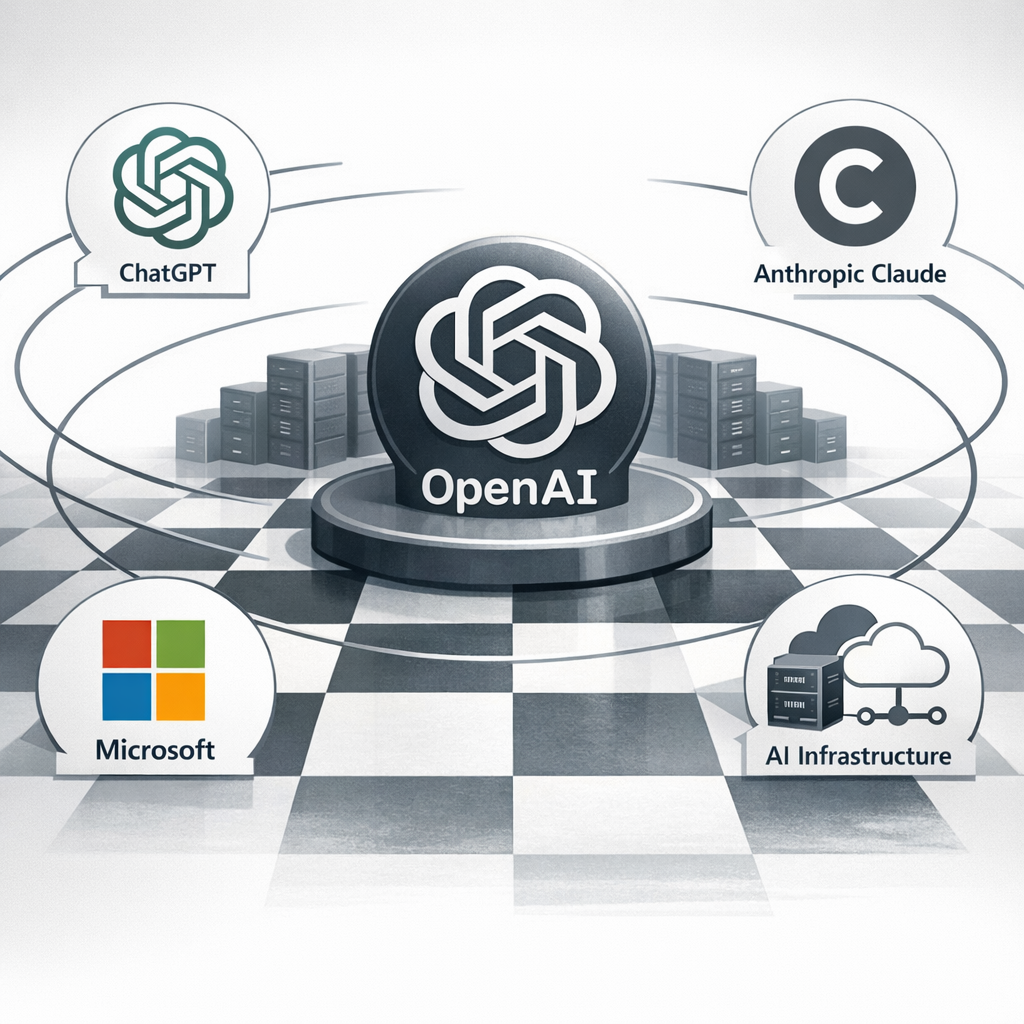
The facts are visible in the market. ChatGPT remains one of the most recognizable AI products. OpenAI’s partnership structure with Microsoft gives it access to distribution and infrastructure. Its public positioning around safety, capability, and scale has made it impossible to ignore.
That matters because the AI race is no longer only about model quality. It is about who controls the user relationship, who gets the compute, and who gets to define what mainstream AI looks like. OpenAI has an advantage in all three areas.
But that advantage creates a new problem. The more central OpenAI becomes, the more every governance question looks like a strategic question. The company cannot simply say it is building for the future while expecting the market to ignore the tension between mission and monetization.
Claude’s rise shows that trust can be a strategy
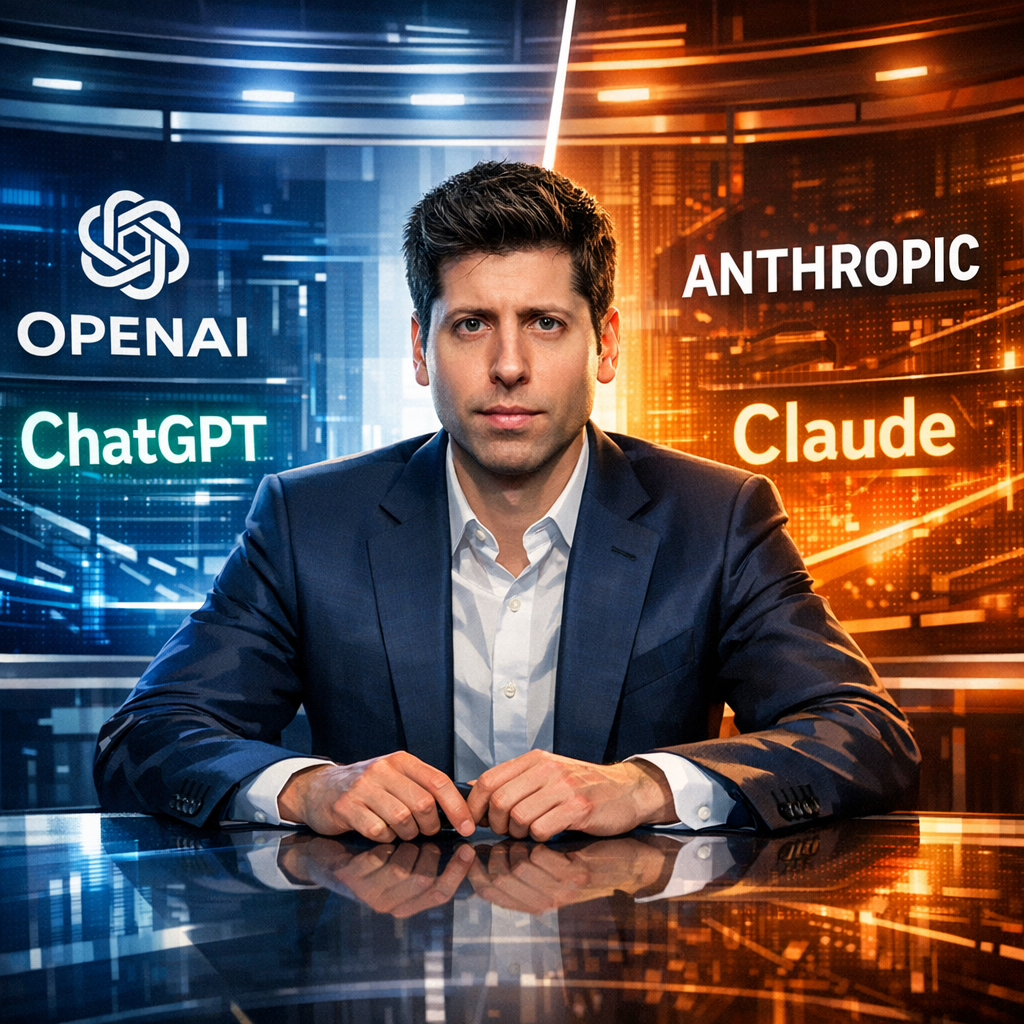
Anthropic and Claude matter here because they offer the clearest counterexample. Anthropic is not pretending that safety and product strategy are separate conversations. It has turned restraint into part of its market identity.
That does not mean Anthropic is morally superior or commercially destined to win. But it does mean the market is large enough to reward a different posture. In other words, OpenAI does not own the only credible path forward.
The counterpoint: execution can outrun suspicion
The strongest rebuttal is simple: users care about usefulness, not theory. If ChatGPT keeps improving, and if OpenAI keeps shipping, many customers will accept the company’s complexity as the price of leadership.
That is not a weak argument. In technology, products often win arguments that governance cannot. OpenAI’s scale is itself evidence that many users already trust it enough to keep using it.
Still, this defense has limits. Utility can mask distrust for a while, but it cannot eliminate it. The bigger OpenAI becomes, the more its decisions will be interpreted as market structure, not mere product iteration.
What OpenAI means for the AI race
The strategic lesson is blunt: OpenAI is helping define the rules of the AI race while competing inside it. That gives it enormous leverage, but also enormous exposure.
If OpenAI can remain trusted while expanding its commercial footprint, it will set the template for the industry. If it cannot, the opening will belong to rivals that can credibly claim to be more disciplined, more transparent, or more aligned with enterprise caution.
Either way, the real contest is no longer just about who has the best model. It is about who gets to be the default institution of AI.
That is why OpenAI matters now. Not because it ships impressive products. Because it is becoming the company everyone depends on and everyone has reasons to question.
Sources consulted
OpenAI official announcements and product pages. Microsoft investor materials and earnings disclosures referencing the OpenAI relationship. Anthropic official product and company materials on Claude. Reputable market reporting on OpenAI, Anthropic, and the competitive AI landscape.
Related coverage: AI Chronicle analysis and updates.
Sources and further reading
- http://OpenAI%20official%20announcements%20and%20product%20pages
- https://openai.com/news/
- https://www.anthropic.com/news

 Is OpenAI Becoming Bigger Than ChatGPT?
 Why OpenAI’s Biggest Problem Is Not Competition
 The Automation Revolution: How AI Is Quietly Killing Middle-Class Jobs and What We’re Ignoring
 Why OpenAI’s Trust Crisis Could Be the Biggest Threat to the Future of AI