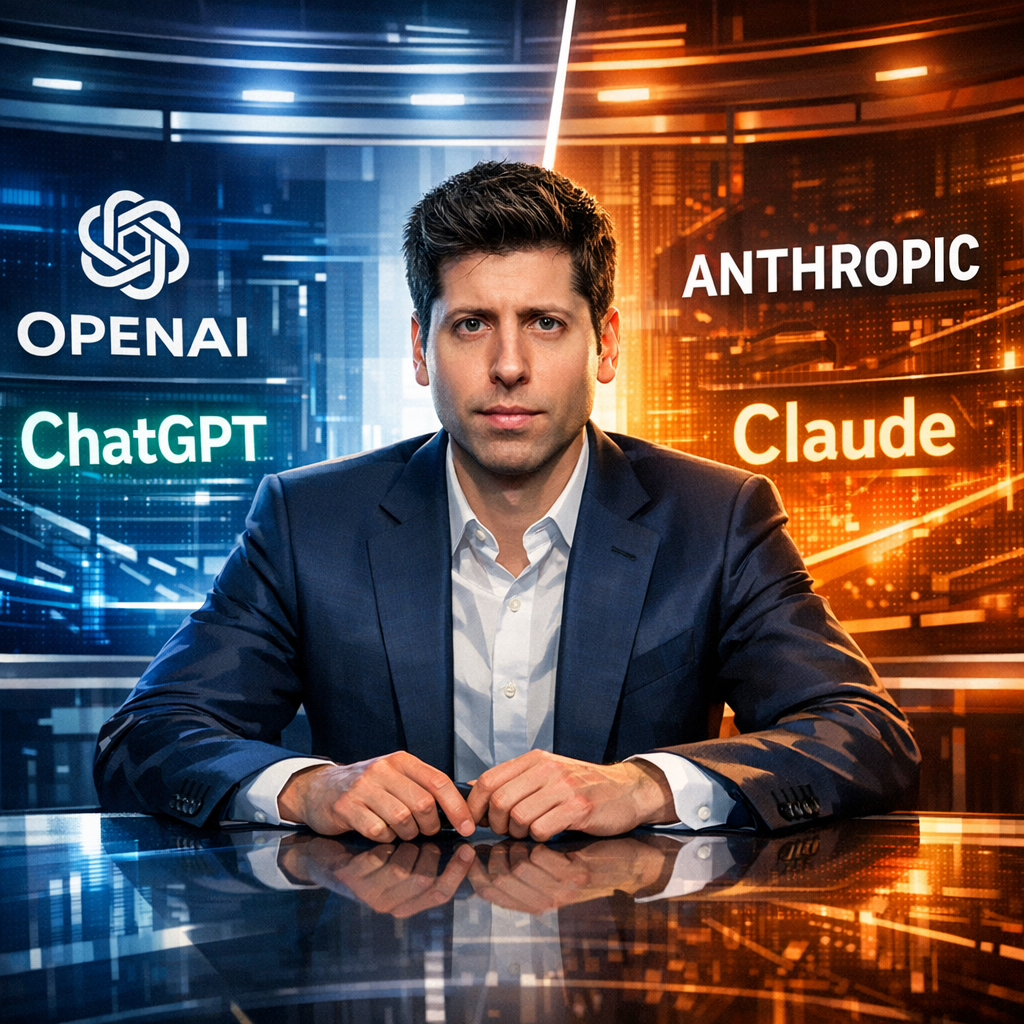
The Unseen Power Behind AI’s Most Influential Leader
Sam Altman’s rise in artificial intelligence is often described in whispers, with headlines focusing on flashier rivals like Elon Musk or Jensen Huang. Yet, beneath the surface, Altman is reshaping the AI landscape in ways few have fully grasped. This is not just about technological innovation — it’s about power, control, and governance in an industry that affects society at every level. Is one person really the right custodian of this transformative technology?
Why Sam Altman’s Influence Extends Beyond Innovation
Unlike the traditional CEO who chases market share or product launches, Altman’s vision involves steering AI’s trajectory on a global scale. He’s not just advancing models; he’s crafting the framework within which these models operate. This includes influencing regulatory debates and controlling access to powerful AI tools. Such concentration of authority raises uncomfortable questions: Are we witnessing a new form of technocratic governance where a select few dictate AI’s societal impact?
Power Concentration: Catalyst or Risk for AI Development?
Centralizing AI power can accelerate development by reducing fragmentation, but it risks stifling competition and innovation. Open source advocates warn that closed models controlled by dominant players like OpenAI limit transparency and freedom, potentially turning AI into a monopolistic tool instead of a democratizing force. Can we trust any single entity, no matter how visionary, to balance profit, ethics, and public good?
AI Governance: Who Watches the Watchers?
The debate over AI regulation is intensifying, yet those writing the rules often have vested interests. Altman’s involvement in shaping global AI policy exemplifies this conflict of interest. This raises an urgent issue: if corporate leaders drive AI governance, how can society ensure accountability and protect democratic values? Are existing frameworks sufficient or merely symbolic gestures?
The Ethical Dilemma: Safety or Speed?
Altman’s approach reflects the broader tension in AI between safety and rapid progress. While championing responsible AI, OpenAI and similar organizations balance on a knife’s edge — pushing innovation while mitigating risks like misinformation, job displacement, and existential threats. Is the industry’s proclaimed commitment to ethical AI a genuine priority, or a strategic branding shield?
What This Means for Society and the Future
Ultimately, Altman’s quiet consolidation of AI power forces us to examine who shapes our technological future. The illusion that AI progress is a collective endeavor clashes with the reality of concentrated control. As AI becomes embedded in governance, economy, and culture, are we prepared for the societal implications? Can one leader’s vision serve humanity’s diverse interests, or are we trading innovation for control?
Conclusion: Challenging the AI Power Paradigm
Sam Altman’s rise is a case study in the complexities of modern AI leadership — where innovation, power, and ethics intertwine. We must critically question whether current power structures support or hinder an equitable AI future. The stakes extend far beyond Silicon Valley; they touch on democracy, employment, and even human identity. If we remain passive observers, are we unknowingly endorsing a new technocratic era under Altman’s stewardship?

Related Articles
 The Real Threat Behind AI: How Automation Is Quietly Killing Creativity and Jobs
 Overworld Launches Waypoint-1.5: AI-Generated 3D Worlds Now Accessible on Mac and Windows Consumer Hardware
 Yann LeCun Departs Meta to Found New AI Startup Aiming to Redefine AI Capabilities
 AI Startup Mitti Labs Partners with The Nature Conservancy to Combat Climate Change in Indian Rice Farming