Sam Altman’s OpenAI: Innovation Meets Its Greatest Test
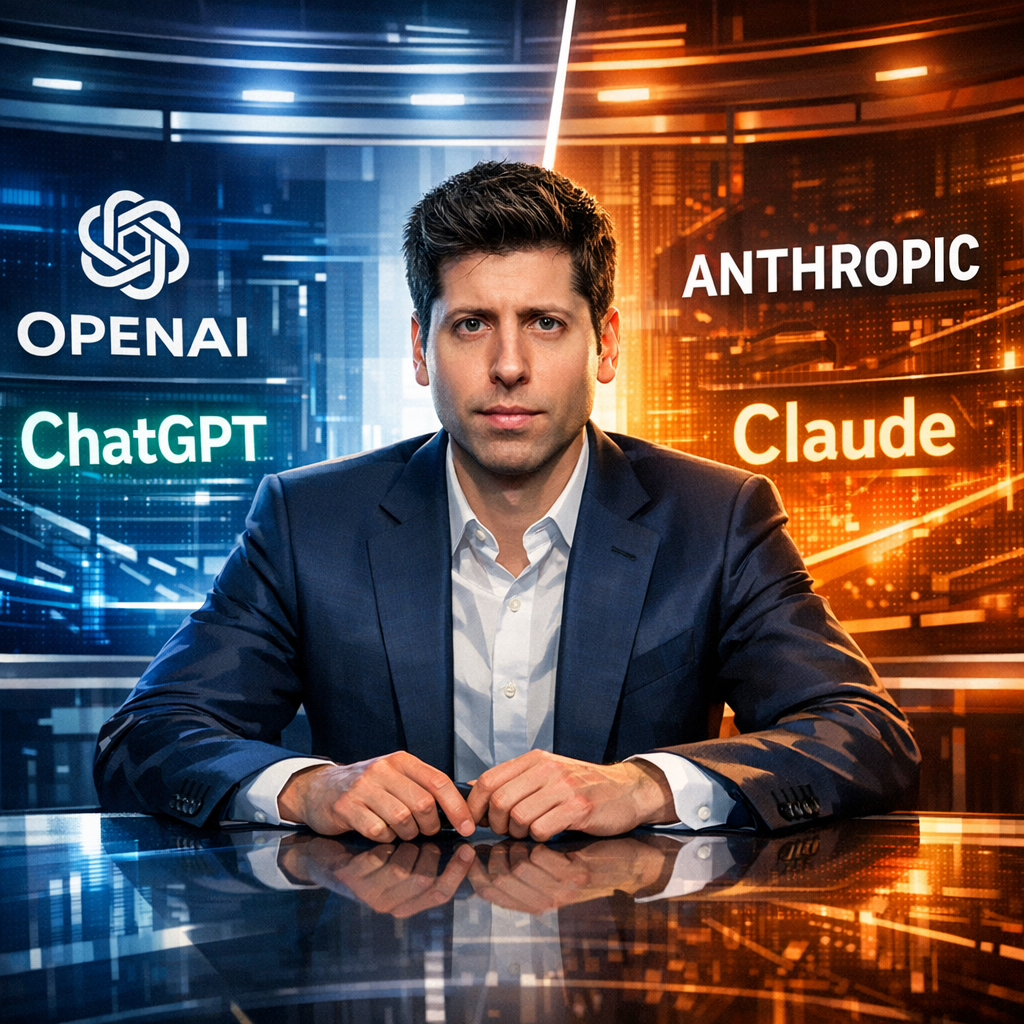
OpenAI trust challenges is at the center of this update. Sam Altman has transformed OpenAI from a niche research lab into a dominant force in artificial intelligence, delivering products like ChatGPT that have revolutionized how businesses and consumers engage with AI. Yet, this rapid ascent brings a critical challenge: sustaining public and industry trust amid growing influence and commercial pressures.
A Delicate Balance: Mission Versus Market
OpenAI’s founding commitment to developing safe and beneficial AI for all contrasts with its current position as a high-growth enterprise with deep financial ties to Microsoft and other partners. This duality creates tension between the company’s aspirational mission and the realities of platform economics, data usage, and competitive advantage. The opacity around model training data, safety guardrails, and deployment decisions fuels skepticism even as OpenAI pushes AI’s capabilities forward.
Context in the Broader AI Ecosystem
Unlike OpenAI’s approach, Anthropic emphasizes a safety-first culture, positioning itself as a more cautious but trustworthy alternative. Google DeepMind continues playing the long game on research and consumer trust, while Nvidia’s hardware dominance underscores how control over AI infrastructure concentrates power beyond any one AI model or company. The AI industry’s architecture—spanning chips, platforms, and cloud services—amplifies the stakes of trust and governance.
Counterpoint and Industry Realities
It is arguable that the scale of AI development necessitates centralized leadership and deep pockets—resources that OpenAI and Microsoft uniquely mobilize. Their argument is that responsible innovation can proceed faster under such partnerships than through fragmented, ultra-cautious efforts. Furthermore, OpenAI’s transparency initiatives and safety research investments signal a recognition of trust as a strategic priority.
Implications for the AI Race
OpenAI’s ability or failure to navigate trust issues will influence not only its competitive position but the global AI ecosystem’s regulatory direction and innovation pace. Competitors may capitalize on trust gaps or regulatory frameworks may tighten, affecting industry growth and public acceptance. Infrastructure players like Nvidia and Microsoft will be crucial in shaping these dynamics.
Conclusion: Trust as the Future Frontier
Sam Altman’s OpenAI stands at a crossroads where leadership in AI means more than innovation—it demands accountability and trustworthiness. The company’s evolution will set precedents for how AI power is wielded and governed, ultimately shaping whether AI fulfills its promise or exacerbates societal risks.
Related coverage: AI Chronicle analysis and updates.
Sources consulted
Why it matters
This update influences the AI race across model providers, infrastructure leaders, and enterprise adoption decisions.

 Why AI Is Quietly Destroying Creative Professions and What We’re Ignoring
 Why OpenAI’s Struggle for Trust Is the Real AI Challenge Ahead
 Why Trust Is the Biggest Challenge for OpenAI and the Future of Artificial Intelligence