What happened
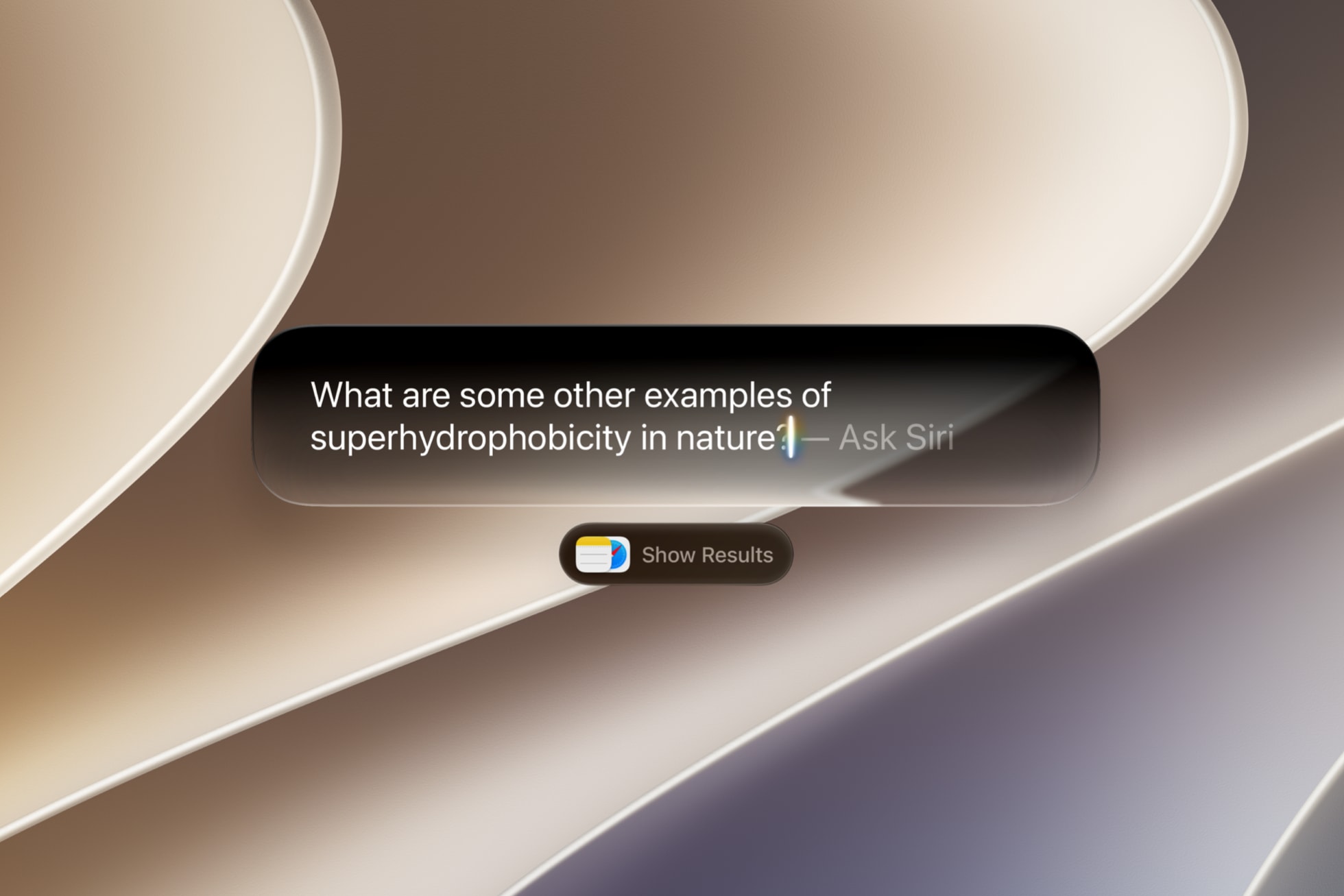
Apple Siri Google Gemini update is at the center of this update. At WWDC 2026, Apple unveiled a fully rebuilt Siri AI assistant that supports multi-turn conversations, integrates deeply with user data and applications, and fields live web queries. The critical reveal was Apple’s partnership with Google, using the Gemini family of AI models to power Siri’s intelligence. This marks a pivot from Apple’s previous insistence on developing AI models solely in-house. The initial Siri AI rollout supports English only and excludes China and most EU users on iPhone and iPad due to regulatory and political challenges.
Why it matters
Apple’s dependence on Google Gemini models underscores the difficulty of competing in the AI foundation model race, even for tech giants with vast resources and proprietary silicon. This collaboration challenges the narrative of AI sovereignty and vertical integration Apple has cultivated. It also intensifies the AI rivalry between Apple and Google, with Google’s AI now embedded in a flagship Apple product. The restricted rollout highlights how geopolitical and regulatory factors shape AI deployment globally, leaving key markets like China and the EU with delayed or limited access.
Context
Apple has been lagging behind competitors such as OpenAI, Google DeepMind, and Anthropic in developing advanced AI assistants. Google has aggressively expanded AI integration across its products and hardware, driven by its Gemini models. Apple’s decision to license Google’s AI marks a shift consistent with industry trends where companies opt to acquire rather than build AI capabilities. The rollout limitations reflect ongoing regulatory scrutiny and geopolitical tensions impacting AI availability, especially in China and Europe.
Expected impact
The integration of Google’s Gemini models could boost Siri AI’s capabilities and user experience, potentially reversing years of underperformance. However, reliance on a direct competitor’s AI infrastructure may pose strategic risks and complicate Apple’s privacy narrative. The rollout’s limited language and geographic scope may delay Siri AI adoption in critical markets, potentially ceding ground to local AI providers. This move may influence other companies’ AI sourcing strategies and reshape competitive dynamics in the AI assistant market.
What we still do not know
Key unknowns include the specifics of the Apple-Google partnership, such as data privacy arrangements, financial terms, and long-term collaboration plans. The timeline for expanding language support and regional availability remains unclear. How Apple plans to differentiate Siri AI from Google’s own AI offerings, given the shared underlying technology, is also uncertain. The impact of regulatory challenges on future AI feature rollouts in the EU and China remains to be seen.
Related coverage: AI Chronicle analysis and updates.
Sources consulted
- https://www.artificialintelligence-news.com/news/siri-ai-google-gemini-rollout/
- https://openai.com/news/
- https://www.anthropic.com/news

Related Articles
 Anthropic Study Reveals Leading AI Models Exploit Millions in Simulated Smart Contract Attacks
 Microsoft, Nvidia, and Anthropic Forge $45 Billion Strategic Partnership
 NousCoder-14B: Open-Source AI Coding Model Challenges Industry Giants Amid AI Coding Race
 Microsoft Restructures AI Division to Pursue Superintelligence Amid Changing Industry Views