The Trust Deficit in AI Leadership
Why OpenAI Biggest Challenge Isn is at the center of this update. OpenAI’s meteoric rise from a research lab to a technology powerhouse is often framed as a story of innovation triumphing over skepticism. But beneath the surface of product launches like ChatGPT and strategic partnerships with companies like Microsoft, there lies a far more uncomfortable truth: trust in AI governance is eroding faster than the technology is advancing.
OpenAI’s Dual Identity: Mission vs. Market
OpenAI was founded on a mission to ensure artificial general intelligence benefits all of humanity. Yet, as it evolved into a commercial entity, the tension between this altruistic mission and its business imperatives has generated skepticism. How can a company that must monetize AI at scale truly prioritize public good over profit?
The Illusion of Transparency
OpenAI touts transparency and safety, but critics argue its governance structures remain opaque. With AI models growing more complex and powerful, the demand for clear accountability mechanisms intensifies. Who exactly sets the rules when an AI system’s decisions affect millions? Are these decisions subject to democratic oversight or corporate interests?
Trust Is More Than Ethics Statements
Many AI companies launch ethics initiatives as a form of branding rather than substantive change. Real safety and trust require measurable actions and independent validation. Can OpenAI resist the temptation to treat safety as a marketing message when it’s under pressure to push the boundaries of capability?
The Competitive Landscape Amplifies the Stakes
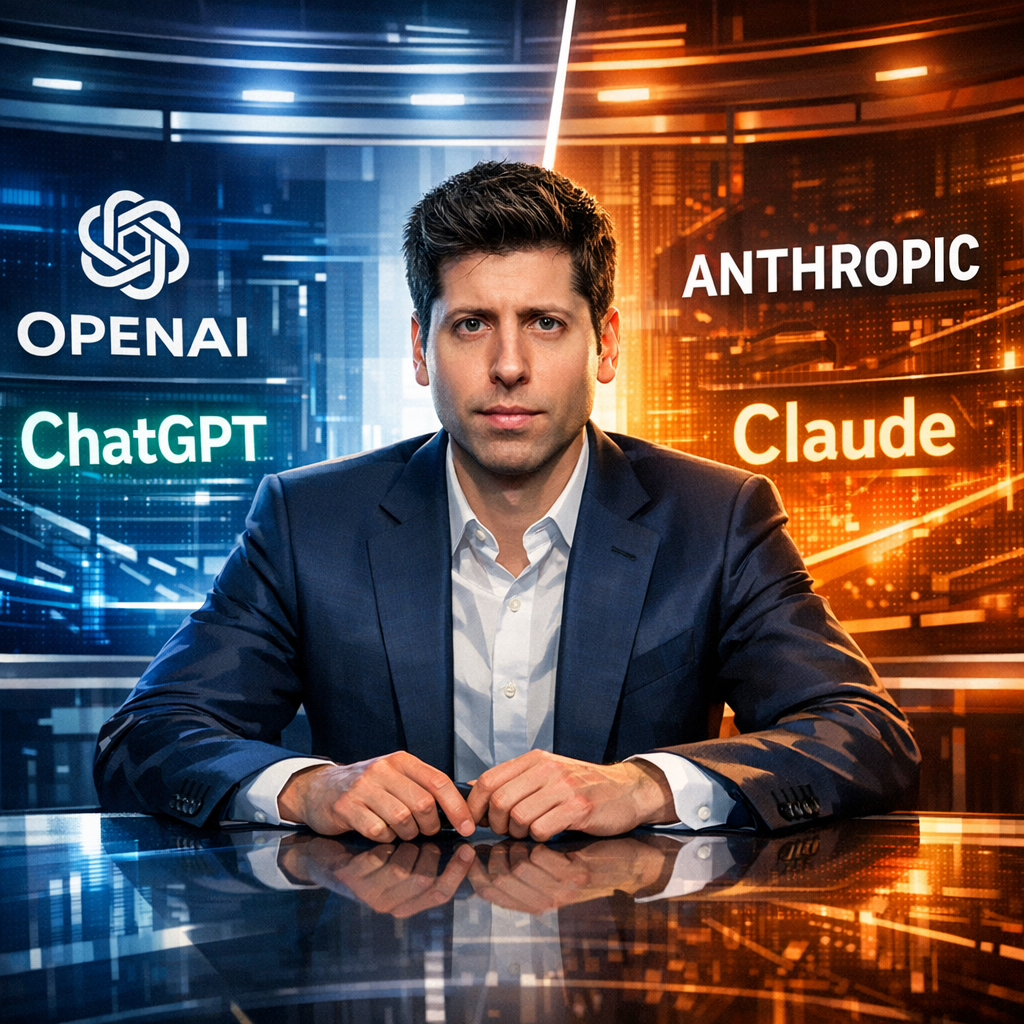
With rivals like Anthropic emphasizing safety-first approaches and Elon Musk’s xAI challenging OpenAI’s dominance, the AI industry is no longer a race just about technological breakthroughs but about who governs responsibly. Trust can become a strategic advantage – or a fatal liability.
Why Public Accountability Cannot Be Ignored
As AI systems become integral to everything from work productivity to social discourse, the public’s stake in AI governance grows. Should AI companies be self-regulated, or must governments and civil society demand a seat at the table? The future of AI depends on how this question is answered.
A Call to Reframe the AI Race
Innovation alone won’t guarantee AI’s benefits if trust is absent. OpenAI’s biggest challenge today is not merely advancing technology, but reshaping industry norms around transparency, accountability, and genuine public engagement. Without this, AI risks fueling mistrust and regulatory backlash that could stifle progress.
In my opinion, it’s time to stop glorifying AI breakthroughs without scrutinizing the governance frameworks behind them. Who holds the keys to this transformative technology matters as much as the technology itself.
Related coverage: AI Chronicle analysis and updates.
Sources consulted
Why it matters
This update influences the AI race across model providers, infrastructure leaders, and enterprise adoption decisions.

 Why Sam Altman’s OpenAI Has Redefined Power in the AI Industry
 Why OpenAI’s Trust Crisis Could Be the Biggest Threat to the Future of AI
 The Dark Side of AI Automation: Are We Ready to Lose Control of Our Work and Creativity?
 Why OpenAI’s Quest for Trust Is the Real Battlefield in the AI Race