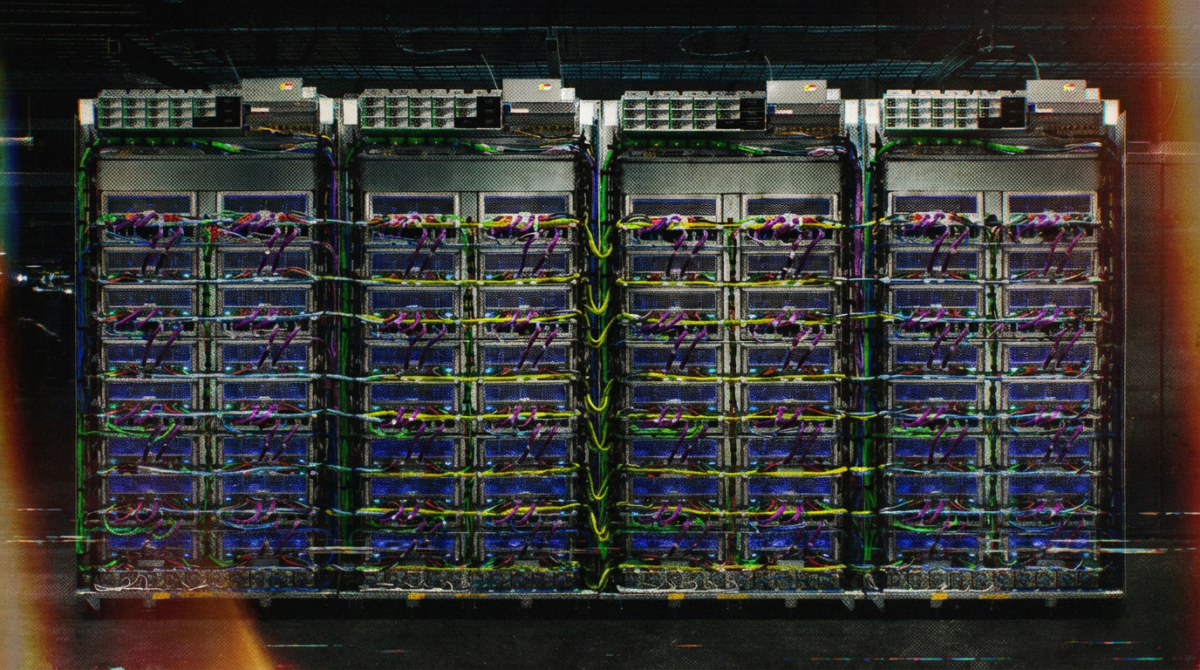
The Illusion of Progress: Is AI Automation Truly Our Friend?
AI-driven automation is often sold to us as the next step in human progress—a way to free ourselves from mundane tasks and boost productivity. But beneath the surface lurks a troubling reality. Are we blindly accepting a future where humans become redundant cogs in an algorithmic machine? This article challenges the rosy narratives around AI automation, questioning the cost to jobs, creativity, and ethical responsibility.
How AI is Transforming Work: Efficiency or Displacement?
From automating customer service to managing complex workflows, AI agents and machine learning models are increasingly taking over roles once reserved for humans. While productivity soars, the darker question remains: what happens to the displaced workforce? The automation wave threatens to decimate entire professions, especially those reliant on repetitive or pattern-based tasks. Are companies prepared to handle the social consequences of this rapid transformation?
The Myth of Human Creativity in the Age of AI
AI-generated content and deep learning models challenge the very notion of creativity. If an algorithm can write articles, compose music, or generate art, what distinguishes human creativity? This provocative question forces us to reconsider the value we place on uniquely human insight. But relying on AI for creative tasks raises concerns about homogenization, loss of nuance, and the erosion of cultural diversity.
Ethical Blind Spots: Who Governs the Algorithms?
The race to deploy more powerful AI systems is often devoid of meaningful ethical oversight. Big tech CEOs compete for dominance, sometimes sidelining transparency and fairness in favor of market control. The lack of regulation means automated decisions can reinforce biases, undermine privacy, and manipulate public opinion without accountability. How long before society loses trust in these opaque, algorithm-driven institutions?
Automation and the Growing Digital Divide
Access to AI tools and computational resources isn’t evenly distributed. As companies control vast amounts of data and model architectures, a new elitism emerges—the automation elite versus the digitally disenfranchised. This divide risks exacerbating social inequalities, consolidating power, and creating classes defined by AI literacy and control. Are we heading toward a society fractured by technology?
What Can Be Done: Rethinking the AI Future
- Demanding robust regulation that prioritizes ethical AI development and transparency.
- Investing in retraining programs for workers displaced by automation.
- Promoting open-source AI to decentralize technological power.
- Encouraging human-AI collaboration instead of outright substitution.
- Fostering societal debate about the real costs of productivity gains.
AI automation is reshaping the workplace and society at a dizzying pace. While the profits and efficiency gains are tempting, we must not ignore the ethical and social consequences. The question is not whether AI can automate work and creativity, but whether we, as a society, are ready to control the forces we unleash. If we fail to challenge the dominant narratives, we risk surrendering our jobs, our creativity, and ultimately our autonomy to the algorithms we created.

Related Articles
 Trump Proposes Executive Order to Prevent States from Enacting Independent AI Regulations
 A Automação Vai Redefinir a Classe Média: Estamos Preparados para o Impacto da IA no Mercado de Trabalho?
 How Nvidia’s Jensen Huang Became the Hidden Overlord of the AI Revolution
 How AI Power Concentration Threatens Innovation and Society