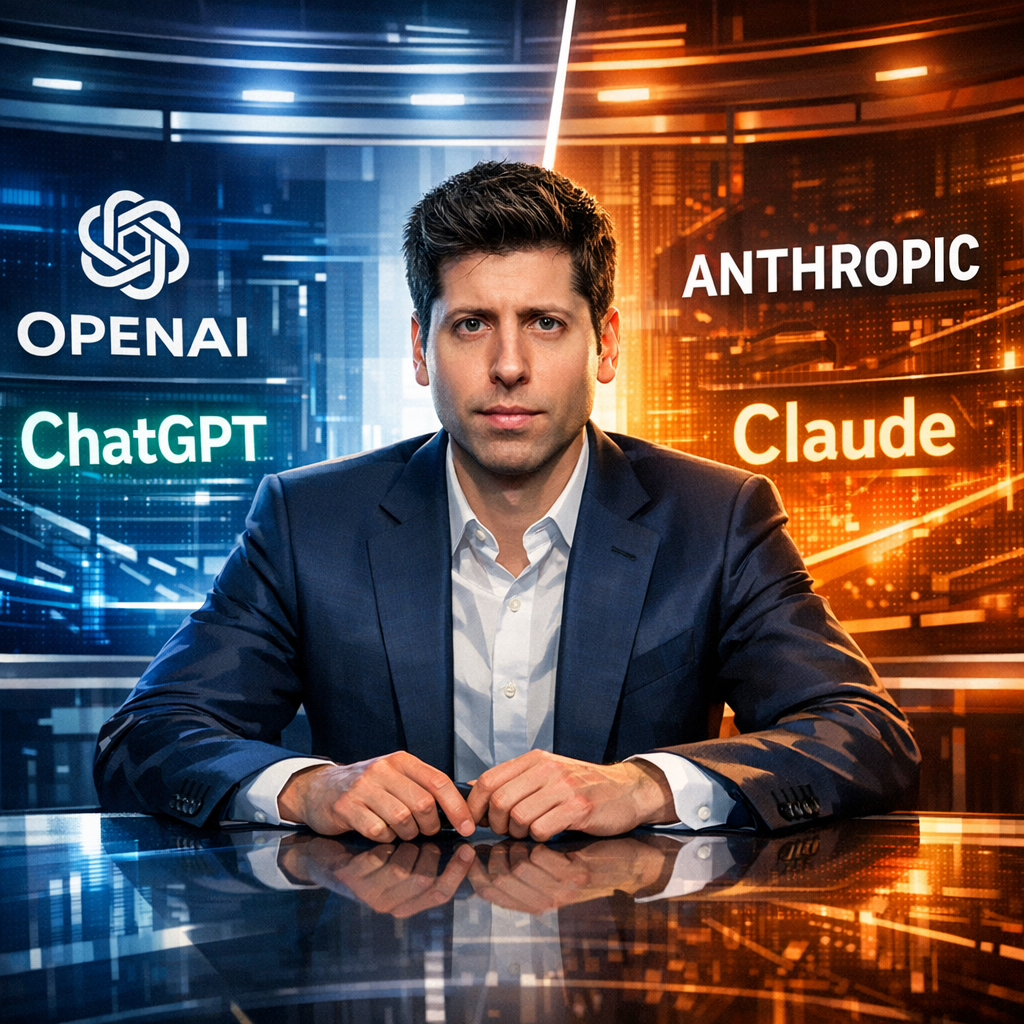
Sam Altman and the Paradox of Power in AI
OpenAI trust deficit analysis is at the center of this update. Sam Altman’s OpenAI has reshaped the AI landscape, transforming from a promising research lab into a dominant commercial force. The launch of ChatGPT not only captivated millions but also reset expectations about the accessibility and impact of artificial intelligence. However, as OpenAI’s ambitions have expanded, so too have concerns about the company’s growing concentration of power and its consequences for trust—and ultimately, for who will lead the AI race.
The Stakes of Trust in the AI Race
The future of AI depends on more than algorithms; it hinges on governance, transparency, and alignment with societal values. OpenAI’s mission originally emphasized openness and safety, yet its trajectory increasingly mirrors that of a tech giant balancing profit and innovation. Its deep partnership with Microsoft grants it privileged access to cutting-edge cloud infrastructure and vast markets but also raises questions about independence and influence.
Transparency Versus Commercial Imperatives
The tension between OpenAI’s mission and business model manifests in the opacity surrounding model training data, deployment decisions, and safety measures. Critics argue this opacity undermines public trust, creating a perception that OpenAI prioritizes market dominance over ethical leadership. Meanwhile, competitors like Anthropic double down on safety-first branding, and Meta champions open source to disrupt closed AI lab dominance. These dynamics underscore a critical industry-wide debate about who controls the AI stack and to what end.
Counterpoint: Pragmatism and Progress
Defenders of OpenAI’s approach contend that commercialization is indispensable for scaling AI capabilities and ensuring their integration into practical applications. Sam Altman’s stewardship has arguably accelerated AI progress and brought AGI closer to reality. Microsoft’s enterprise distribution network further amplifies this impact, embedding AI into workflows across sectors.
The Road Ahead: Trust or Fragmentation
OpenAI’s trust deficit is symptomatic of the broader concentration of AI power in a few companies controlling chips, cloud infrastructure, and data. If OpenAI fails to deepen its commitment to transparency and public accountability, it risks losing legitimacy, empowering rivals more aligned with safety and openness principles. This battle for trust will shape not only technical progress but also the ethical, social, and political contours of AI governance worldwide.
Conclusion
OpenAI’s standing in the AI race is unparalleled, but sustaining this leadership demands more than technological prowess—it requires rebuilding and maintaining public trust. Sam Altman’s paradox of power is clear: real influence stems from responsible stewardship. The AI industry, users, and regulators will be watching closely to see if OpenAI can navigate this delicate balance or if the trust gap will invite new challengers to the throne.
Related coverage: AI Chronicle analysis and updates.
Sources consulted
Why it matters
This update influences the AI race across model providers, infrastructure leaders, and enterprise adoption decisions.

Related Articles
 Why AI Power Is Concentrating Faster Than Wealth and What It Means for Our Future
 Why AI Leadership Crisis Threatens Innovation and Ethics in the Age of Sam Altman and Jensen Huang
 Sam Altman’s OpenAI: Navigating the Tension Between Mission and Market Power
 OpenAI’s Real Challenge Is Not Model Quality. It Is Trust.