What happened
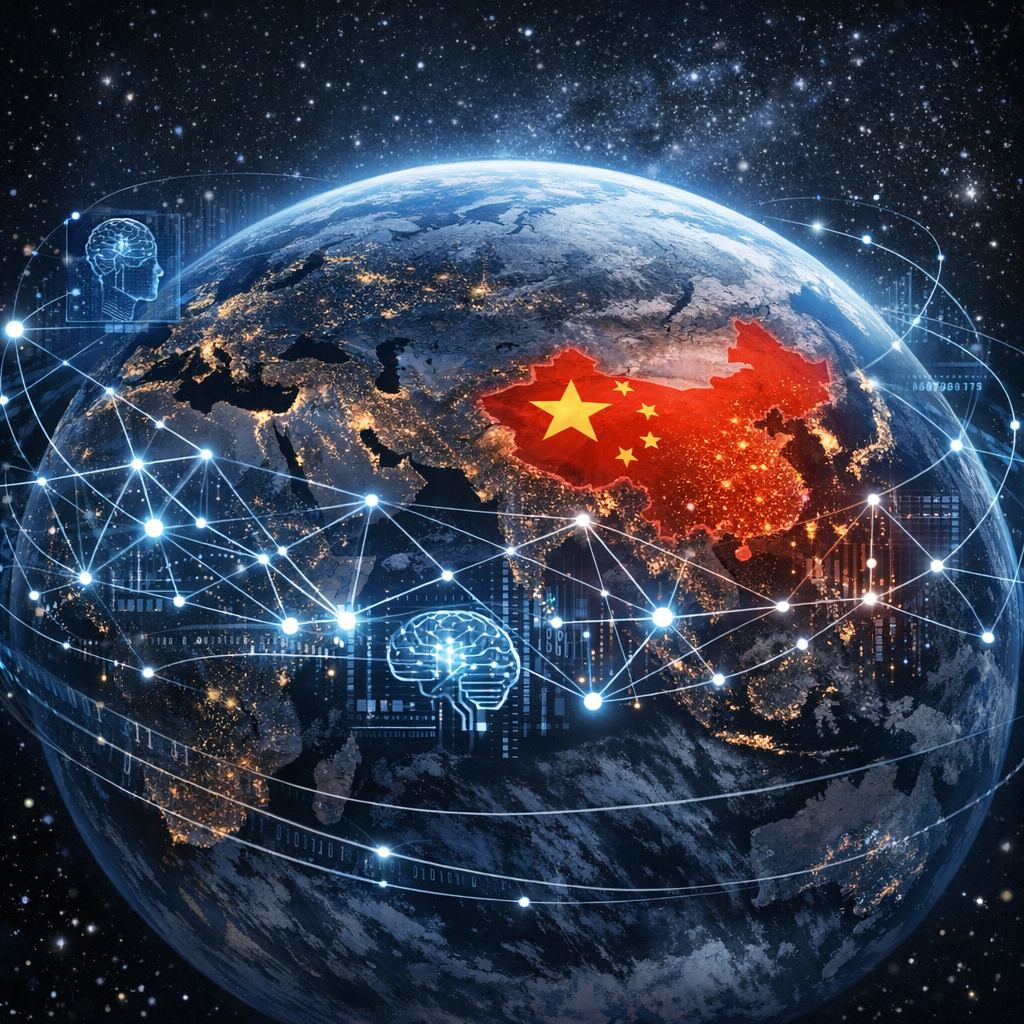
OpenAI PRC linked influence operations is at the center of this update. OpenAI's latest report uncovers PRC-linked operations leveraging AI to influence U.S. technology debates, spread falsehoods about ChatGPT, and shape narratives on data centers and tariffs.
OpenAI Uncovers PRC-Linked Influence Operations Targeting U.S. AI Debates
OpenAI has released a revealing report detailing coordinated influence operations linked to the People’s Republic of China (PRC) that deploy AI-driven tactics to manipulate U.S. technology discussions. These campaigns focus on spreading false information about ChatGPT, shaping narratives around data center developments, tariffs, and broader AI policy debates.
What Happened
The report exposes how PRC-backed actors use artificial intelligence to craft and disseminate misleading content aimed at U.S. stakeholders in the AI sector. By targeting discussions about ChatGPT—OpenAI’s flagship large language model—the operations seek to distort public perception and influence policy on technology infrastructure and trade.
Why It Matters
As AI underpins future innovation and economic competition, controlling its narrative becomes a strategic objective. OpenAI’s disclosure highlights the geopolitical stakes of the AI race, where misinformation can alter market dynamics and regulatory environments. This adds a new dimension to the rivalry among leading AI companies such as OpenAI, Anthropic, xAI, and Google DeepMind.
Context
OpenAI, led by CEO Sam Altman, is central to the global AI ecosystem, with ChatGPT shaping both consumer and enterprise applications. The revelation of PRC-linked influence efforts underscores the broader geopolitical contest for AI leadership, where states leverage digital campaigns to assert influence beyond technological development—affecting policy and public discourse in key markets like the U.S.
Expected Impact
This exposure is likely to prompt increased vigilance from U.S. regulators and AI companies against foreign influence operations. It could catalyze stronger governance frameworks around AI transparency and misinformation. For OpenAI, it reinforces the company’s dual role as both a technology innovator and a guardian of AI’s informational integrity.
What We Still Do Not Know
The full extent of these PRC-linked campaigns, their operational details, and their influence on U.S. policymaking remain unclear. Additionally, the long-term effectiveness of countermeasures by OpenAI or government agencies is yet to be determined.
Related coverage: AI Chronicle analysis and updates.
Sources consulted
- https://openai.com/index/prc-linked-influence-operations-ai-debates
- https://openai.com/news/
- https://www.anthropic.com/news
Why it matters
This update influences the AI race across model providers, infrastructure leaders, and enterprise adoption decisions.

Related Articles
 Insurance Sector Set to Boost AI Investments Despite Skills Gap, Finds Accenture
 Claude Science and BioNeMo show how Anthropic is challenging ChatGPT’s general-purpose lead
 Comparing AI-Powered Design Tools: Canva Pro vs Google Nano 3 vs Sora 2 in 2026
 Commvault Introduces AI Protect: A Critical Undo Feature for Cloud AI Workloads