The Trust Deficit in AI Giants
Why Trust Biggest Challenge OpenAI analysis is at the center of this update. OpenAI is no longer just a research lab tinkering with artificial intelligence; it is a powerhouse shaping how we interact with technology daily. Yet, as OpenAI scales, questions about its business model, transparency, and accountability have become more urgent than ever. The company’s mission and its commercial interests often seem at odds, creating a tension that could undermine public trust and the broader AI revolution.
Why Trust Matters More Than Ever in AI Development
Artificial intelligence promises transformative benefits across industries, but these advances come with unprecedented risks—bias, misinformation, privacy violations, and potential misuse among them. The real challenge is not just technical safety but whether AI developers like OpenAI can convincingly demonstrate ethical stewardship. Without trust, adoption stalls, regulatory backlash intensifies, and innovation could stall under the weight of skepticism.
OpenAI’s Mission vs. Its Business Model
OpenAI started with a bold vision: to build beneficial AGI (artificial general intelligence) and ensure its benefits are broadly distributed. However, to fund expensive AI research, it entered lucrative partnerships with giants like Microsoft, raising concerns about corporate influence diluting that mission. Does OpenAI’s shift toward monetization threaten its founding principles, or is it a pragmatic balancing act? This ongoing debate is at the heart of trust issues.
The Transparency Paradox
AI models are notoriously complex, and OpenAI’s reluctance to fully open-source its most powerful systems fuels suspicion. Critics argue that secrecy stifles scrutiny, hides biases, and concentrates power in the hands of a few. Yet, from OpenAI’s perspective, transparency must be weighed against safety and competitive survival. Can OpenAI find a middle ground where openness coexists with responsibility?
Public Accountability and Ethical AI
Trust requires more than promises; it demands tangible actions and accountable governance. How OpenAI addresses issues like algorithmic bias, misinformation, and misuse will shape public perception. The company’s move toward establishing independent oversight boards and safety protocols is positive but insufficient if they lack teeth or are perceived as mere PR tactics.
Why the AI Industry Must Learn from OpenAI’s Trust Struggle
OpenAI’s challenges are emblematic of the broader AI industry’s growing pains. As AI systems become more powerful and embedded in everyday life, the tension between innovation, profit, and ethical responsibility intensifies. Stakeholders—from CEOs and researchers to policymakers and users—must grapple with hard questions: Who controls AI’s future? How do we ensure equitable benefits? What governance models foster trust without stifling progress?
Is the AI Race Creating New Gatekeepers?
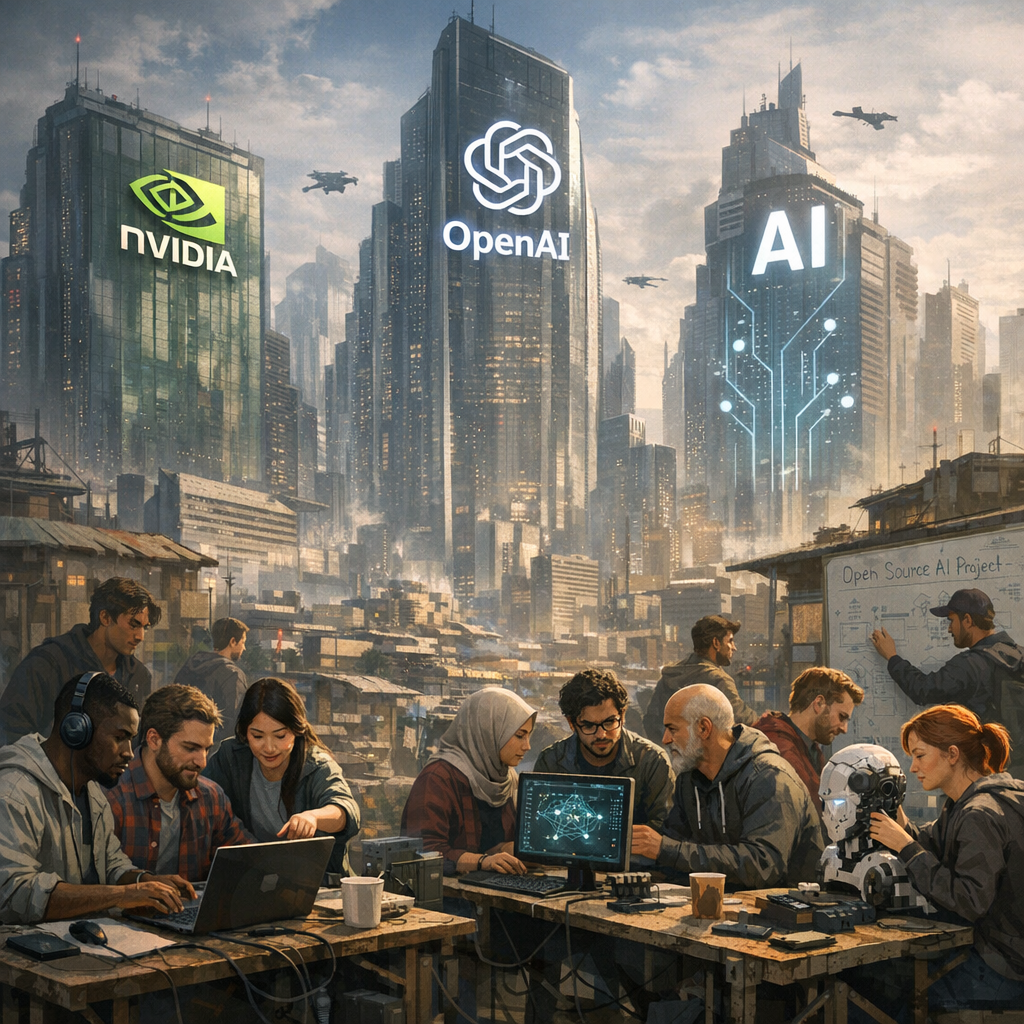
The concentration of AI power in a handful of companies risks recreating old tech monopolies under a new guise. This concentration exacerbates trust issues, as these firms’ decisions can shape societies globally. Transparency, competition, and multi-stakeholder governance may be the only ways to prevent AI from becoming a tool of narrow interests.
The Role of Regulation and Society
Governments lag behind the rapid AI evolution, often relying on industry self-regulation that history shows is insufficient. Public involvement and international cooperation are critical to creating frameworks that balance innovation with safety and trust. Without broader societal input, AI governance risks becoming an elite game detached from everyday realities and values.
Conclusion: Trust Is Not Optional
OpenAI’s trajectory illustrates a harsh truth: technological breakthroughs alone won’t guarantee AI’s success or acceptance. Trust—earned through consistent transparency, ethical conduct, and accountability—is the currency that will determine whether AI becomes a force for good or fuels fear and division. Ignoring this challenge risks undermining not only OpenAI’s legacy but the future of artificial intelligence itself.
Related coverage: AI Chronicle analysis and updates.
Sources consulted
Why it matters
This update influences the AI race across model providers, infrastructure leaders, and enterprise adoption decisions.

Related Articles
 How AI Power Concentration Threatens Innovation and Democracy in the Age of NVIDIA and OpenAI
 Meta Invests in 100MW Solar Capacity to Power New AI Data Center in South Carolina
 How AI CEOs Are Quietly Rewriting the Rules of Power and Society (2026)
 OpenAI Poised to Receive Up to $60 Billion Investment from NVIDIA, Microsoft, and Amazon