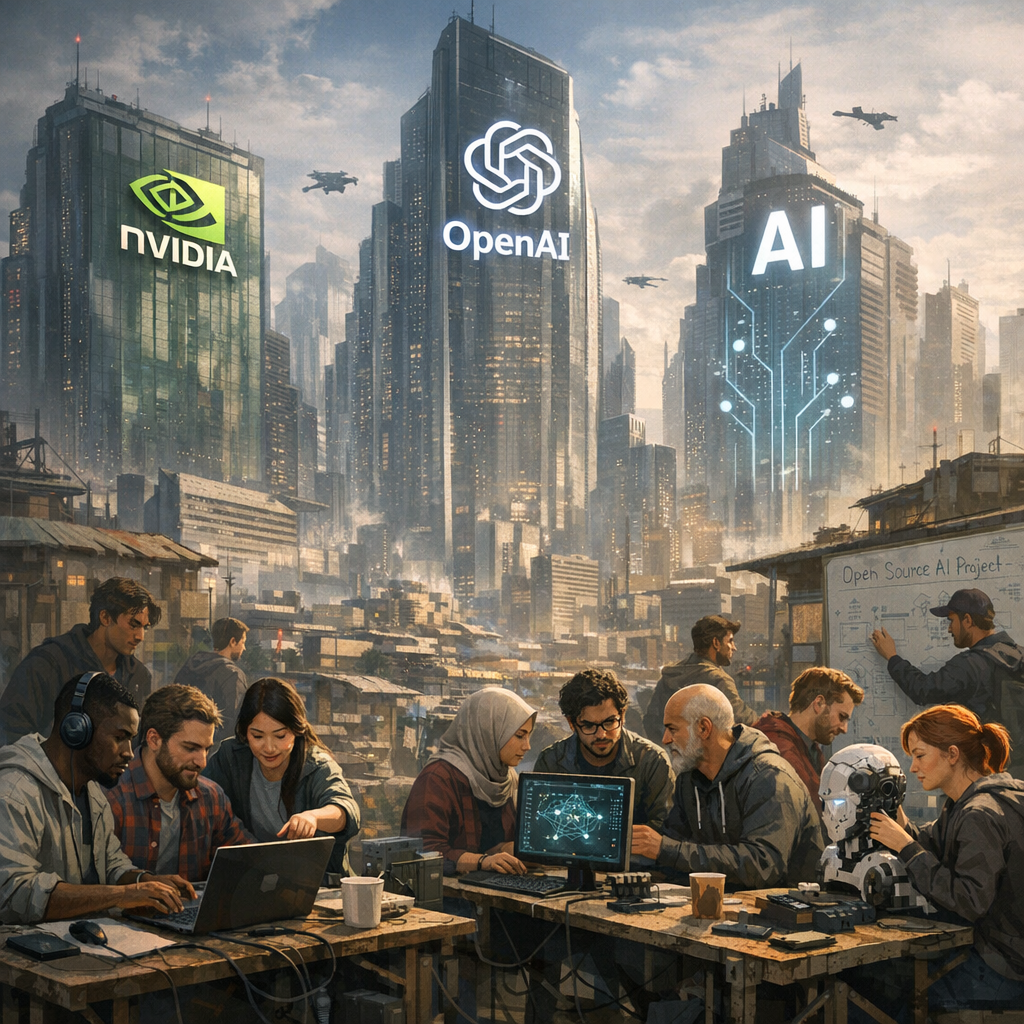
The Rise of AI Oligopolies: More Than Just Tech Competition
Artificial intelligence promised to be a democratizing force, unlocking new capabilities and creative solutions accessible to all. Yet, today, the reality is starkly different. Giants like NVIDIA and OpenAI don’t just lead the market; they shape the narrative, control critical infrastructure, and dictate the rules of the AI game. This power concentration poses a serious threat—not only to innovation but to the democratic values that underpin society.
Why AI Innovation Is Slowing Down Under Monopoly Power
At first glance, the AI boom seems unstoppable. But dig deeper, and signs of stagnation emerge. Closed AI models guarded by a handful of corporations slow the flow of ideas. The dominance of NVIDIA in hardware means bottlenecks in access to AI chips, hampering startups and alternative research. Is the race for breakthroughs actually a race to gatekeep?
The Ethical Quagmire: When Profit Trumps Safety
Promises of AI safety and responsible development are often overshadowed by corporate interests. When AI safety becomes a branding strategy rather than a genuine commitment, whose interests are truly served? The conflict between profit motives and ethical imperatives raises uncomfortable questions about accountability and transparency.
Open Source AI: The Last Bastion Against Centralized Control?
With the increasing dominance of closed AI ecosystems, open source AI initiatives emerge as critical counterweights. They offer a path toward greater transparency, community-driven innovation, and checks on corporate power. But can open source projects realistically challenge the might of tech giants with vast resources?
Democracy at Risk: AI Governance and the Political Power Struggle
AI is not just a technological issue—it’s deeply political. When companies that should be regulated are the very ones writing the rules, where does that leave public interest? The merger of AI power with political influence threatens to undermine democratic processes and erode public trust.
What Can Be Done? Rethinking AI Leadership and Control
The AI leadership crisis demands urgent reflection. Should we accept a future where a few CEOs dictate AI’s trajectory? Or is it time for bold policies that decentralize AI power, prioritize ethical innovation, and protect public good? The stakes couldn’t be higher.
- Promote open standards and open source AI development.
- Ensure AI hardware access is diversified beyond monopolies.
- Strengthen independent AI governance with real accountability.
- Balance innovation speed with ethical safeguards.
- Foster global cooperation to prevent AI power abuse.
In the end, AI’s fate is intertwined with societal choices. Will we let a handful of corporations decide our future—or reclaim AI as a tool for human progress?

 Top AI Wearables and Gadgets Revolutionizing Personal Technology Today
 Nvidia CEO Jensen Huang Engages with Internet Memes Amidst AI Market Spotlight