What happened
TechEx North America Highlights Power is at the center of this update. TechEx North America’s first day emphasized the critical importance of power, infrastructure, and cybersecurity in successfully integrating AI into enterprise operations, underscoring that AI adoption extends beyond software innovation to practical physical and organizational challenges.
Introduction: The Practical Foundations of AI at TechEx North America
While cutting-edge AI technologies often capture the spotlight at events like TechEx North America, the inaugural day of this comprehensive conference underscored how essential foundational elements such as power supply, infrastructure, and cybersecurity are to the successful deployment of AI in real-world enterprise environments.
Edge Computing: Bringing Intelligence Closer to Industry
The Edge Computing track, deeply rooted in traditional industries, focused on the challenges of latency, disciplined deployment, and cybersecurity within Industrial IoT (IIoT) and IT integrations. Discussions highlighted how edge computing allows organizations to reassess the value of their data assets and make faster, autonomous decisions near the source, reducing reliance on central cloud services.
Topics covered included scaling edge deployments across multiple sites, agentic network operations, distributed AI inference models whether on-premises, hybrid, or cloud-based, and applying zero-trust cybersecurity principles to control systems. The track, chaired by Ed Doran of the Edge AI Foundation, featured industry leaders from companies such as Akamai, Spectro Cloud, and Schneider Electric, focusing on industrial automation and connected control devices.
Balancing Risk and Speed at the Edge
Bringing intelligence closer to machines changes risk profiles—a subject of debate among experts. While faster local decision-making reduces latency and cloud dependency, it raises questions about observability and control from decision-makers’ perspectives.
Industrial IoT and Digital Twins: Bridging the Gap Between Pilot and Production
The IoT Tech Expo track examined industrial AI applications including smart factory innovations, AI beyond Industry 4.0, asset management, and digital twins. A key focus was the challenge known as ‘pilot purgatory,’ where promising AI projects struggle to scale beyond demonstrations due to integration complexities with legacy machinery and software.
Sessions stressed the need for operational digital twins that go beyond visual replicas to actively support factories and municipal facilities by pre-testing decisions and enhancing maintenance strategies.
Insights from Leading Innovators
Speakers from Siemens, LG CNS, and Boston Dynamics emphasized that smart systems need to be designed in harmony with the human operators or machines they serve to realize their full potential.
Data Centre Congress: The Physical Reality of AI Infrastructure
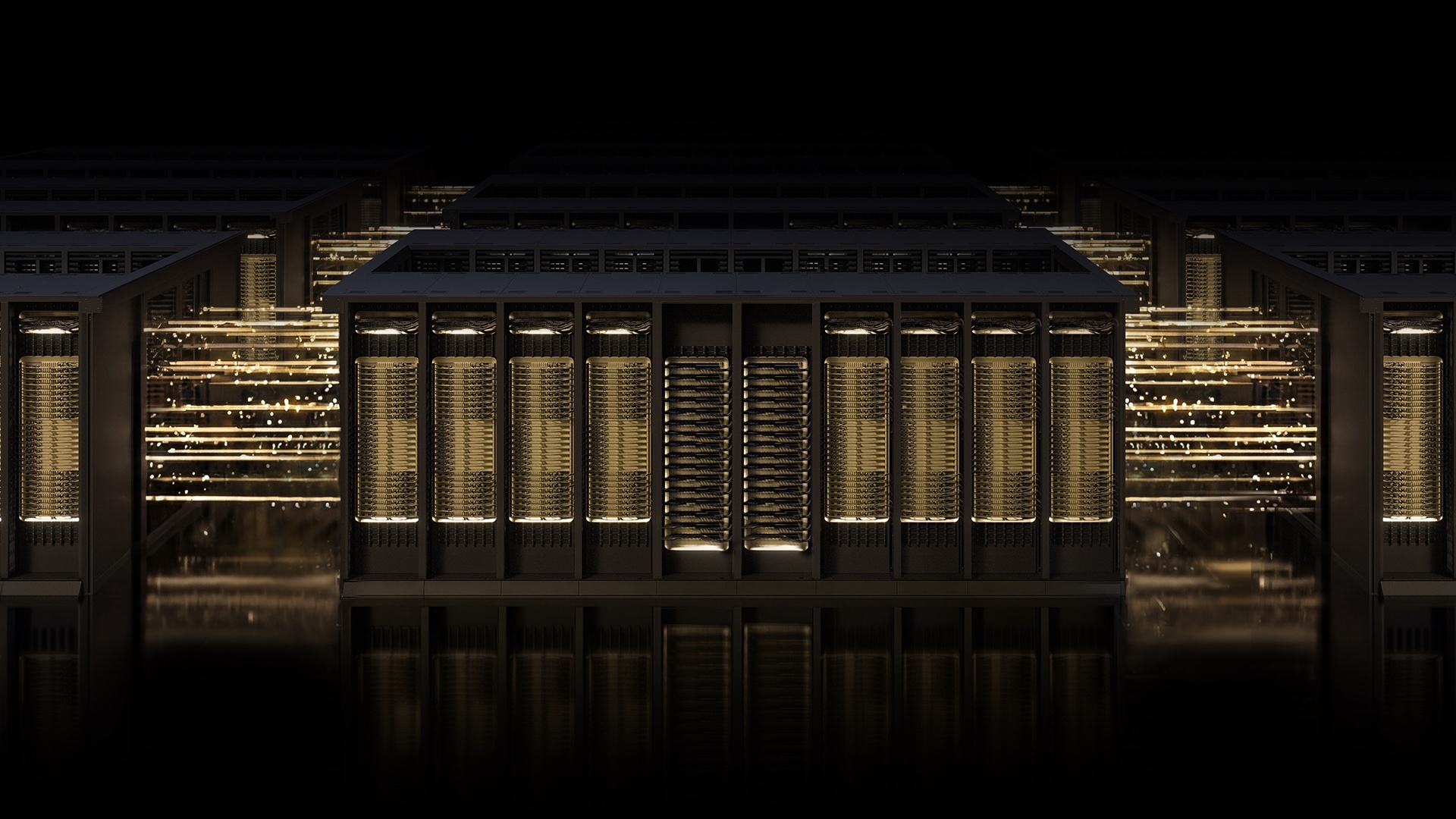
Data Centre Congress sessions addressed pressing issues such as construction challenges, power consumption, cooling, water usage, and network infrastructure critical for AI data centers. The keynote and round-table discussions highlighted how AI’s voracious compute demands necessitate substantial infrastructure investments and long-term planning, with constraints around power and water serving as practical limits to rapid expansion.
This track reinforced that AI strategy increasingly manifests in physical terms, requiring enterprise leaders to consider pragmatic factors beyond algorithmic innovation.
Cyber Security and Cloud Expo: Securing AI Adoption
The cybersecurity track focused on the increased attack surface introduced by AI adoption, discussing security culture, compliance, ransomware threats, shadow AI (unauthorized AI tool usage within organizations), data exfiltration, and the complexities of securing legacy systems. A recurring theme was that accelerating AI deployment without addressing existing security weaknesses could exacerbate vulnerabilities.
Sessions highlighted the convergence of cyber and data governance, especially as unmonitored AI services become commonplace in business workflows.
Interconnected Challenges Across Tracks
One of TechEx North America’s strengths is its integration of complementary topics. The cybersecurity concerns surrounding legacy equipment mirrored challenges discussed in the IoT and Edge Computing sessions, emphasizing the need for security to be a central consideration, particularly in critical infrastructure sectors like energy and transportation.
Conclusion: AI Deployment Requires a Holistic Approach
Day one at TechEx North America made clear that deploying AI at scale is far more than enabling software capabilities. Successful AI integration depends on robust physical infrastructure, secure networks, and thoughtful alignment with existing operational frameworks. Enterprises that grasp these interdependencies will be better positioned to leverage the transformative potential of AI technologies.
(Image source: TechForge)
Fonte: ver artigo original
Related coverage: AI Chronicle analysis and updates.
Why it matters
This update influences the AI race across model providers, infrastructure leaders, and enterprise adoption decisions.

Related Articles
 Netflix Announces Another Price Increase Amid Rising Content and AI Investments
 Former Harvard Students Launch Controversial Always-On AI Smart Glasses
 OpenAI Launches ChatGPT Go Subscription Globally, Including the U.S.
 OpenAI Launches Patch the Planet to Strengthen Open Source Security with AI and Expert Collaboration