What happened
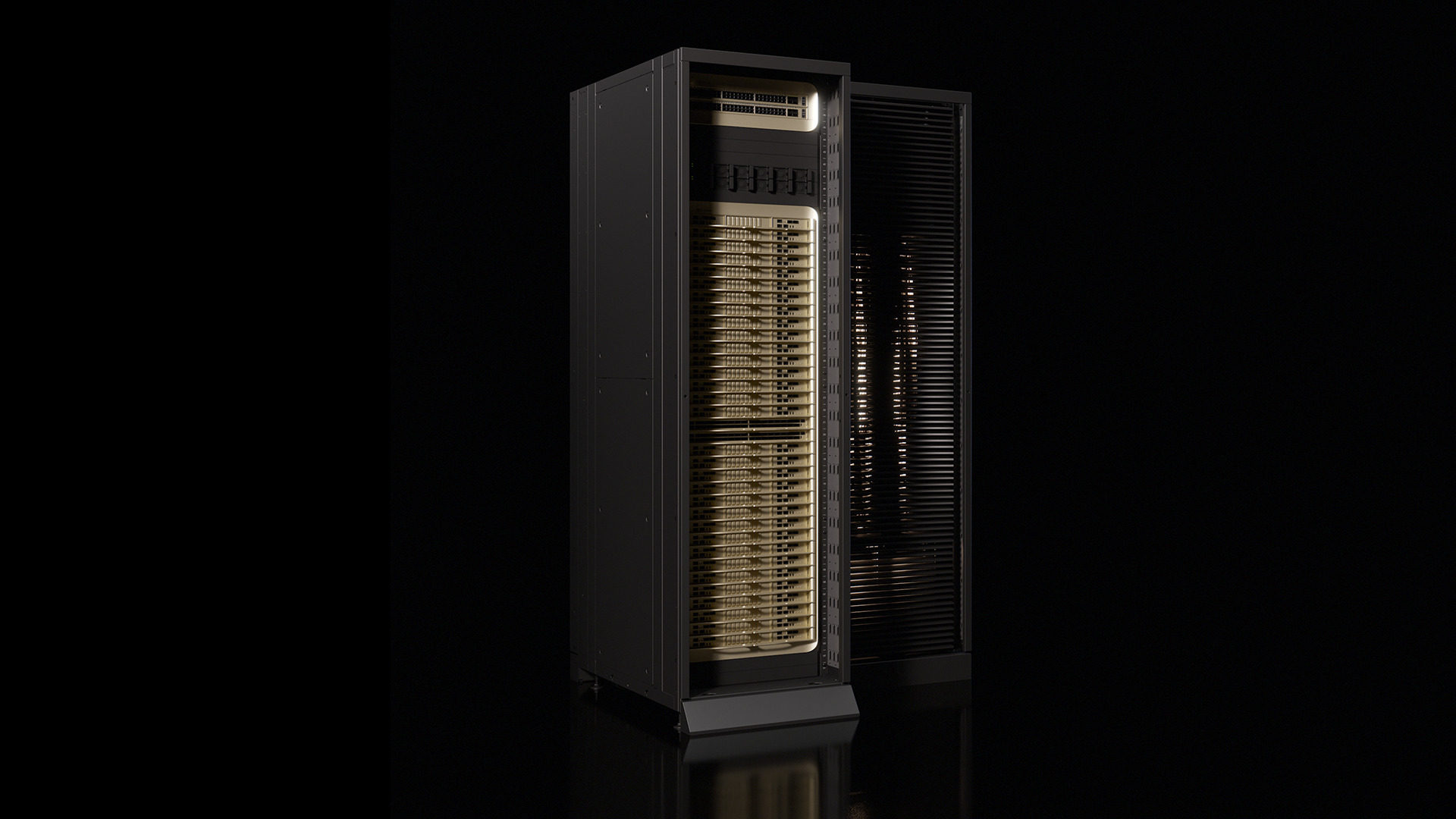
Nvidia Vera Chip Jensen Huang is at the center of this update. Nvidia CEO Jensen Huang highlights the Vera chip as a pivotal growth driver, unlocking a $200 billion market focused on AI inference workloads, complementing the firm's dominant GPU-based AI training business.
Nvidia’s recent earnings report once again captured attention with a strong first-quarter revenue of $81.62 billion, surpassing analysts’ estimates of $78.86 billion. The company also raised its Q2 guidance to $91 billion, well above Wall Street’s forecast of $86.84 billion. While these figures underscore Nvidia’s continued financial strength, the real strategic highlight lies beneath the surface: the Vera chip.
During the earnings conference call, CEO Jensen Huang revealed that the Vera chip opens access to a $200 billion market opportunity distinct from the $1 trillion Nvidia expects from its Blackwell and Rubin AI GPU line between 2025 and 2027. He projected that Vera chip sales could reach $20 billion by the end of the current fiscal year and described Vera as potentially the company’s second-largest revenue contributor.
The Vera Chip and Nvidia’s Inference Strategy
Nvidia’s need for a “second front” via the Vera chip stems from a shift in the AI chip industry. While Nvidia’s GPUs continue to dominate AI model training, the inference phase—where AI models generate real-time responses at scale—is increasingly contested. Major cloud providers like Google, Amazon, and Microsoft, who are collectively investing over $700 billion in AI infrastructure this year, are developing specialized silicon tailored for inference workloads. Competitors such as Intel and AMD are also promoting CPUs aimed at this segment.
The Vera chip is Nvidia’s tailored response to this trend. Developed partly with technology licensed from Groq, a startup focused on inference chips, Vera is designed specifically to optimize AI inference tasks. The broader Vera Rubin platform, which combines the Vera CPU with Rubin GPUs, is scheduled for launch later this year, representing Nvidia’s strategic pivot to secure leadership in both AI training and inference.
Supply Challenges and Strategic Investments
Despite the optimistic projections, Huang acknowledged supply constraints for the Vera Rubin platform, stating that Nvidia expects to be supply-limited throughout its lifecycle. To mitigate this, the company significantly increased its supply chain commitments to $119 billion in Q1, up from $95.2 billion the previous quarter. This move reflects Nvidia’s confidence in demand alongside concerns over the global memory chip shortage.
Alongside these supply chain investments, Nvidia announced an $80 billion share buyback program and increased its quarterly dividend from 1 cent to 25 cents per share, signaling strong financial health amid tightening supply conditions.
Investor Perspective and Market Dynamics
Following the earnings release, Nvidia’s stock experienced a slight decline of 1.6% in after-hours trading. Analysts suggest that while Nvidia’s consistent quarterly outperformance is well priced in, the critical question remains whether the company can demonstrate sustainable growth in AI infrastructure spending through 2027 and beyond, especially as the industry’s focus shifts toward inference and competition intensifies from Google, Amazon, AMD, and Intel.
Huang countered these concerns by highlighting an emerging segment of AI-specific cloud customers whose spending rivals the hyperscalers but is growing more rapidly quarter over quarter. He emphasized that Nvidia aims to outpace hyperscale capital expenditures, positioning the Vera chip as central to this growth strategy.
Ultimately, Nvidia’s success with the Vera chip—and its broader AI infrastructure ambitions—will depend on overcoming supply chain hurdles while maintaining its technological edge in a rapidly evolving market.
Image source: Nvidia’s Newsroom
Fonte: ver artigo original
Related coverage: AI Chronicle analysis and updates.
Why it matters
This update influences the AI race across model providers, infrastructure leaders, and enterprise adoption decisions.

Related Articles
 LiteLLM Ends Partnership with Delve Following Security Breach
 Humanoid Robots Edge Closer to Factory Floors with Major Deployment by Schaeffler
 Alibaba’s Qwen Team Advances AI Reasoning with Innovative Algorithm
 Google Introduces Nested Learning Paradigm to Overcome Memory Limitations in Large Language Models