The Shift in User Behavior with AI-Generated Summaries
In March 2025, the Pew Research Centre analyzed nearly 69,000 Google searches and uncovered a significant change in user interaction with search results. Users exposed to AI-generated summaries clicked on traditional links only 8% of the time, compared to 15% for those who did not see such summaries. Remarkably, 25% of users who viewed AI summaries ended their search session without clicking any results, signaling a evolving landscape in brand discovery.
Understanding the Impact on Brand Visibility
This trend reflects a broader shift as generative AI platforms like ChatGPT attract billions of visits monthly. Brands now face the critical challenge of structuring their content to meet the needs of two distinct AI-based retrieval methods: Answer Engine Optimization (AEO) and Generative Engine Optimization (GEO). This distinction, outlined by SimilarWeb, is crucial for brands aiming to maintain visibility in an increasingly AI-driven search environment.
Declining Click-Through Rates Despite Rising Searches
Data from BrightEdge and Seer Interactive highlights a paradox: while Google search impressions increased by nearly 50% following the introduction of AI Overviews, click-through rates (CTRs) have plunged dramatically. Specifically for queries triggering AI Overviews, organic CTRs dropped 61%, and paid CTRs declined 68%. Even searches without AI summaries saw a 41% decrease in organic CTR year-over-year. Gartner predicted a 25% decrease in traditional search volume by 2026, indicating that while impressions grow, user engagement with links is diminishing.
Answer Engine Optimization (AEO) vs Generative Engine Optimization (GEO)
AEO focuses on optimizing content to provide direct, succinct answers that AI systems can extract easily, such as featured snippets, voice assistant responses, and FAQ formats. Techniques include using question-based headings, concise answer-first paragraphs, and schema markup to enhance AI citation at the snippet level.
In contrast, GEO targets broader brand authority by ensuring that AI platforms synthesizing information from multiple sources recognize the brand as a trusted entity. This involves creating semantic content clusters, enriching data with entities, leveraging multimodal assets, and building domain authority through third-party mentions and backlinks.
The Importance of Broader Web Presence for AI Citations
McKinsey’s AI Discovery Survey revealed that only 5-10% of sources cited by AI search platforms come directly from a brand’s own website, with the majority derived from publishers, user-generated content, affiliates, and review sites. Brands that optimize solely for AEO may secure featured snippets but remain invisible in AI-generated comprehensive responses, emphasizing the need for a strong GEO strategy.
Citation Advantage Drives Consumer Engagement
Brands cited in AI summaries benefit from significantly higher engagement—35% more organic clicks and 91% more paid clicks—compared to those omitted from AI Overviews, according to Seer Interactive. This citation advantage translates into tangible marketing gains and justifies increased investment in GEO, with 32% of digital marketing leaders prioritizing it in 2026 and nearly all reporting positive returns.
Strategic Recommendations for Brands
To navigate this changing landscape, brands should audit their AI visibility by querying major AI platforms with common customer questions, identifying gaps and sources cited instead. Integrating AEO tactics—structured answers, schema, and question-led content—with GEO strategies—semantic depth, third-party mentions, and multimodal content—builds a comprehensive AI search presence.
As AI-driven search evolves toward agentic systems capable of acting autonomously on behalf of users, the brands cited by AI will increasingly influence consumer decisions. Relying solely on click metrics is becoming obsolete when users receive answers directly from AI without clicking through.
Conclusion: Embracing AEO and GEO for Future-Ready AI Brand Discovery
The distinction between AEO and GEO marks a fundamental transformation in digital marketing within the AI era. Brands that adapt by optimizing both their direct answerability and broader authoritative presence will be best positioned to thrive as AI reshapes how consumers discover and choose products and services.
Fonte: ver artigo original

 Harvard Dropouts Launch Smart Glasses with Always-On AI Listening Feature
 Unlock the Future of Video Creation with Synthesia’s Advanced AI Avatars
 YouTube Tests New Feature to Enhance Home Feed Customization
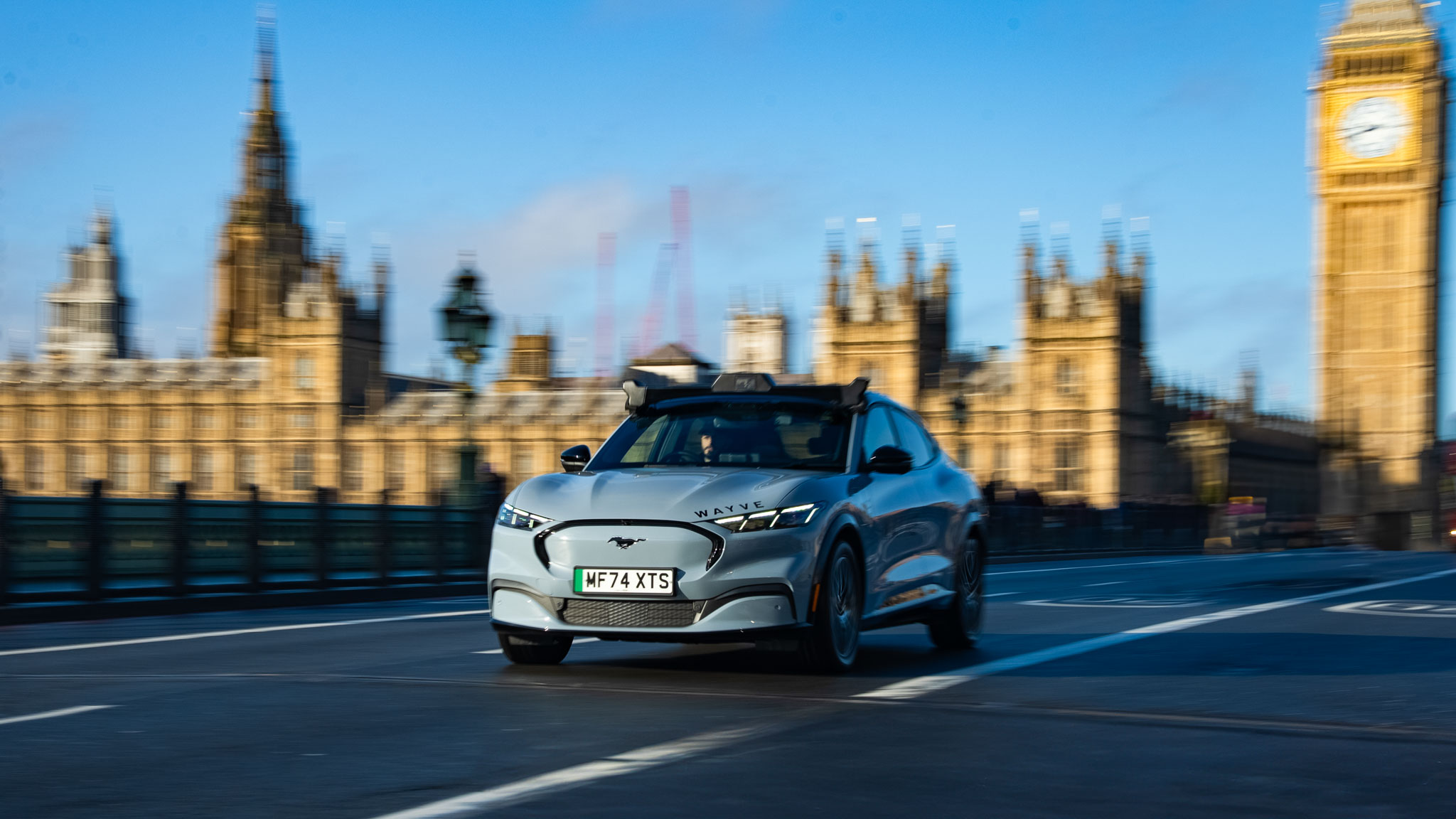 Qualcomm and Wayve Partnership Advances Physical AI Integration to Speed Vehicle Innovation