The Quiet Monopoly Behind AI’s Explosive Growth
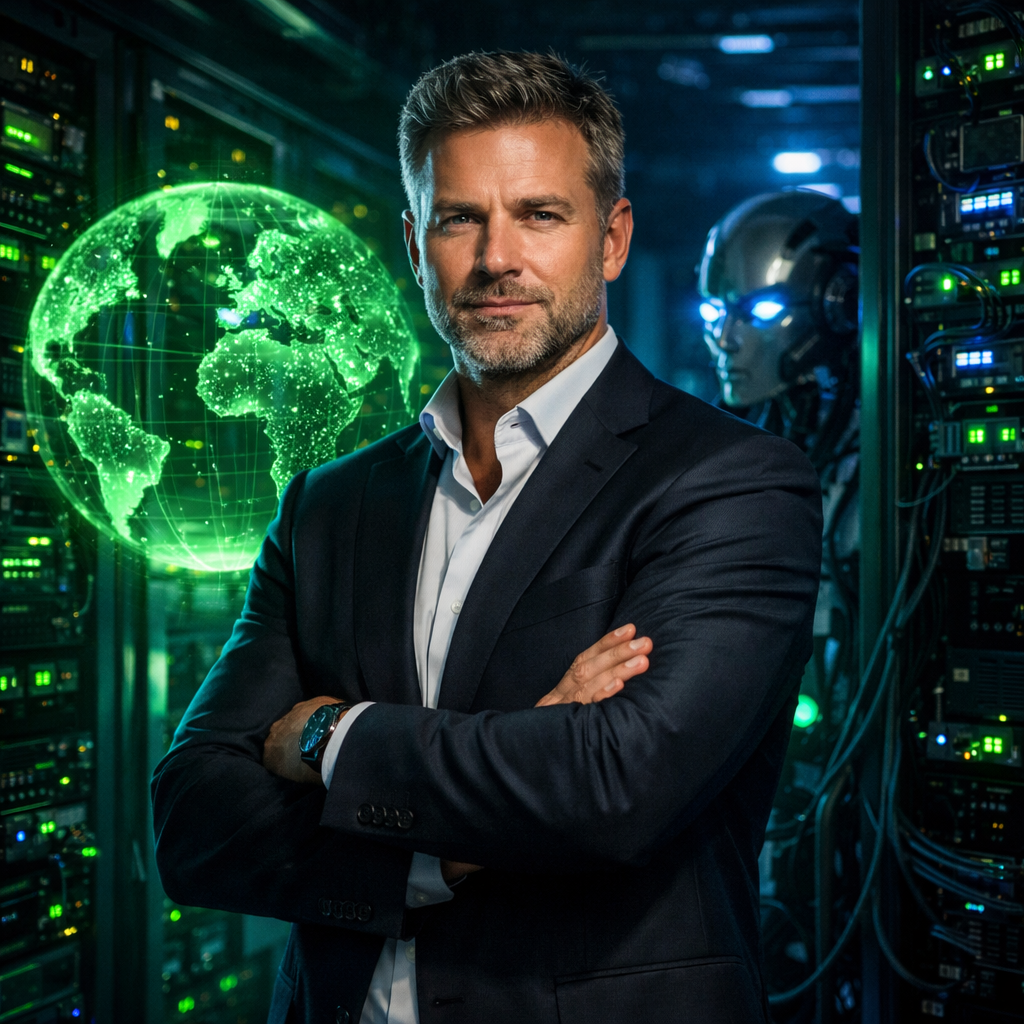
When we talk about the giants of artificial intelligence, names like OpenAI or Elon Musk frequently dominate the conversation. But what if the real power isn’t in the algorithms or the hype but in the hardware running behind the scenes? Jensen Huang, the CEO of Nvidia, presides over the most crucial resource in AI today: the advanced GPUs that power machine learning models. This concentration of hardware influence has quietly turned him into the most powerful figure in AI, arguably surpassing governments and regulatory bodies.
Why Nvidia’s Grip on AI Hardware Matters More Than You Think
AI innovation isn’t just about brilliant code—it’s also about the computational backbone that enables it. Nvidia’s GPUs have become the default standard for training and deploying AI models, from research labs to tech giants. This dominance creates a bottleneck: who controls the hardware, controls the pace and direction of AI development. Huang’s company effectively decides who gets access to the processing power necessary for breakthroughs and who doesn’t.
The Implications of a Single Company Holding the AI Keys
- Innovation Control: With Nvidia dictating chip availability and features, AI startups face a high entry barrier, potentially stifling disruptive innovation.
- Market Monopoly Risks: Huang’s control risks turning AI hardware into a monopolized resource, reducing competition and driving up costs.
- Geopolitical Influence: Governments may find themselves reliant on Nvidia’s chips for defense or economic AI projects, ceding strategic power to a corporation.
- Security & Ethics: Corporate priorities might overshadow critical ethical concerns, such as AI transparency, privacy, or safety, especially if hardware limitations constrain alternative approaches.
Is This Concentration of AI Power Dangerous?
This isn’t just a theoretical worry. The AI industry’s rapid growth has outpaced regulatory frameworks, leaving little oversight over who holds actual control. Huang’s Nvidia isn’t publicly positioning itself as a tech overlord, but the effect is the same: a private company shaping global AI trajectories. Should we trust market forces to self-regulate when the stakes are so high?
What Does This Mean for the Future of AI and Society?
The reality is uncomfortable. The future of artificial intelligence is not just about algorithms or open source ideals; it’s about who controls the silicon that runs them. Without addressing this power concentration, calls for ethical AI, safety, and equitable innovation risk becoming empty slogans. It’s time to question whether our existing frameworks can keep pace with this quiet monopoly—and what it means for democracy, innovation, and society at large.
Final Thoughts: The Elephant in the AI Room
Jensen Huang’s Nvidia is the backbone of the AI era, yet it remains largely unchallenged and under scrutinized. While we debate the ethics of AI models or the promises of open source, the real power struggle is playing out in the supply chains of silicon and chips. Ignoring this fact is not just naive—it’s dangerous. The AI revolution will be defined not just by code, but by hardware—and the man who controls it.

Related Articles
 Allen Institute for AI Unveils OLMo 3: The First Fully Open ‘Thinking’ AI Model with Transparent Reasoning
 ATN Advances Thermal Binocular Technology for Superior Long-Range Detection in 2026
 Sam Altman’s Trust Dilemma Is the Real AI Race Bottleneck
 How NVIDIA and Jensen Huang Are Quietly Shaping the Future and Control of Artificial Intelligence