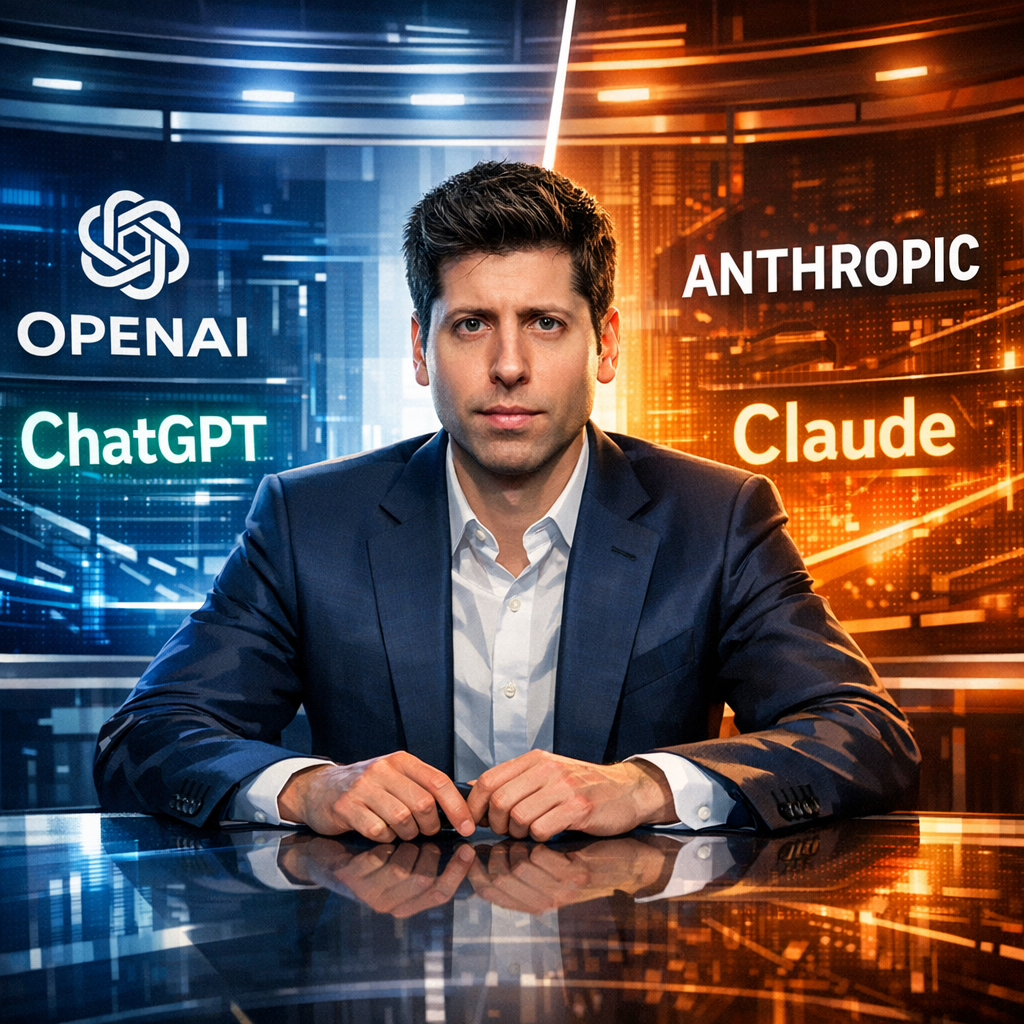
The Rise of Sam Altman: More Than a CEO?
Sam Altman has quietly become one of the most influential figures in artificial intelligence today. His leadership at OpenAI places him at the nexus of AI innovation, regulation, and ethical debates. But is this concentration of power healthy for an industry that claims to be about democratizing knowledge and empowering humanity?
AI Industry Power and the Myth of Innovation
We like to tell ourselves the AI race is about breakthroughs and creativity. Yet, the reality is increasingly about control—who owns the models, the data, and the chips that run these systems. Altman’s OpenAI, despite its promises, often acts more like a gatekeeper than a public good, raising questions about the real locus of power in AI development.
Is OpenAI Delivering on Its Promises?
Once lauded as a champion of open source and transparency, OpenAI today embodies a different story. Closed models, restricted access, and strategic partnerships with tech giants paint a picture of a company prioritizing influence and market dominance over openness. This shift challenges core assumptions about how AI should evolve.
Power Concentration and Its Risks
When one individual or organization holds disproportionate power over AI technologies, innovation can stagnate. The risk isn’t just about slowed progress—it’s about who benefits from AI advancements and who is left behind. Concentration fuels ethical blind spots, reduces accountability, and threatens democratic oversight.
AI Leadership Crisis: Beyond Altman
Altman’s rise underscores a broader leadership crisis in AI. Many CEOs in this space mix visionary rhetoric with aggressive market tactics, often sidelining ethical concerns in favor of rapid deployment. The question is: can true AI governance emerge from within these power structures, or will it require external pressure and public intervention?
What Does This Mean for Society?
AI’s impact on jobs, privacy, and decision-making is profound. When control rests in the hands of a few, society risks becoming collateral damage in corporate and geopolitical games. We must ask: Are we shaping AI, or is AI shaping us under the influence of concentrated power?
Can Democracy Survive the AI Era?
The intertwining of AI power and politics raises uncomfortable questions about influence and accountability. The same companies writing AI’s rules often evade meaningful regulation. This dynamic threatens not just innovation but the very foundations of democratic governance.
Challenging the Status Quo: The Need for Transparency and Accountability
The AI industry’s future depends on breaking this concentration of power. Transparency, open source initiatives, and inclusive governance structures aren’t just ideals—they are necessities if we want AI to serve society broadly rather than a select few.
In the end, the question is not just about Sam Altman or OpenAI. It’s about whether we are willing to confront the uncomfortable power dynamics shaping AI today or continue to accept a future controlled by unchecked tech empires.

Related Articles
 Google Play Expands Gaming Experience with Paid Titles, PC Games, and New Community Features
 IA Generativa e Automação Empresarial: A Revolução Silenciosa que Está Redefinindo o Futuro do Trabalho
 SpaceX Plans Merger with xAI to Integrate Grok, Starlink, and X Platforms
 Tokenize: LDN 2025 to Showcase Pioneering Web3 and Tokenization Innovations at Excel London