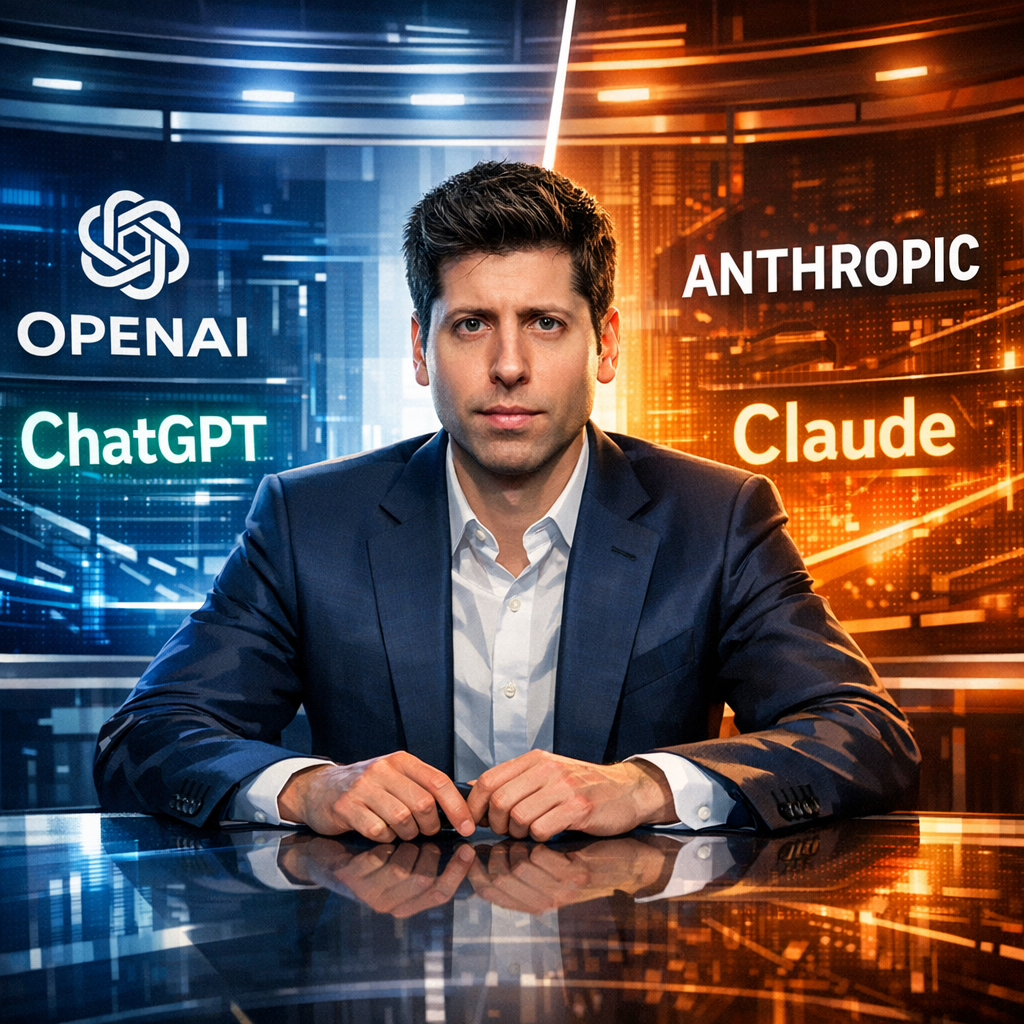
The Illusion of AI as a Creative Ally
Artificial intelligence, especially AI generative models, has been hailed as a revolutionary tool for creators — promising to boost productivity, inspire new ideas, and automate tedious tasks. But beneath this optimistic narrative lurks a more uncomfortable truth: AI automation might be silently eroding the very foundation of creative professions.
Is Automation Replacing Human Creativity?
We must ask ourselves — is AI truly augmenting creativity, or quietly replacing it? The proliferation of text-to-image, text-to-video, and automated content generation tools enables anyone to produce what looks like professional-grade creative output in seconds. This democratization sounds promising, but does it threaten the livelihood of artists, writers, designers, and other creatives who depend on their unique skills?
The Economic Reality Behind the Glamor
Many businesses now prefer AI-driven content to reduce costs and accelerate production cycles. This shift risks commoditizing creative work, reducing human creators to mere operators or curators of AI output rather than originators. Are we witnessing the early stages of a creative class being replaced by digital artisans of AI-trained models?
Ethics and the Future of Creative Labor
This raises uncomfortable ethical questions. Should society accept a future where human creativity is undervalued or sidelined? What responsibilities do AI developers, big tech CEOs, and policymakers have to protect creative professions and intellectual property rights in the age of AI?
Is Regulation a Realistic Solution or Political Theater?
Calls for AI regulation grow louder, but are they substantive or mere theater? The tech industry moves faster than legislative processes, and the power dynamics favor big tech giants controlling AI development. Will ethical guidelines keep pace, or are creative professionals left vulnerable?
Challenging the Narrative: Can Human Creativity Survive?
While AI models can imitate styles and generate content en masse, they lack the emotional depth, lived experience, and cultural context that define human creativity. But how much will that matter in a market driven by efficiency and scale? Is it time to rethink what creativity means in a world where machines do much of the heavy lifting?
Conclusion: Facing the Silent Revolution in Creative Work
AI automation is not just a tool; it’s a force reshaping the creative professions. Ignoring its disruptive effects risks losing more than jobs — it threatens the essence of human artistic expression. As we embrace the AI revolution, society must confront difficult questions about value, identity, and the future of creative labor.

Related Articles
 Why Trust Is OpenAI’s Biggest Challenge in the AI Power Race
 The AI Automation Revolution: Are Humans Becoming Obsolete in the Workplace?
 Major AI Model Releases of 2025 Mark a Turning Point in Artificial Intelligence
 Google Unveils Gemini 3 Pro Image Model, ‘Nano Banana Pro,’ Setting New Standard for Enterprise AI Visual Generation